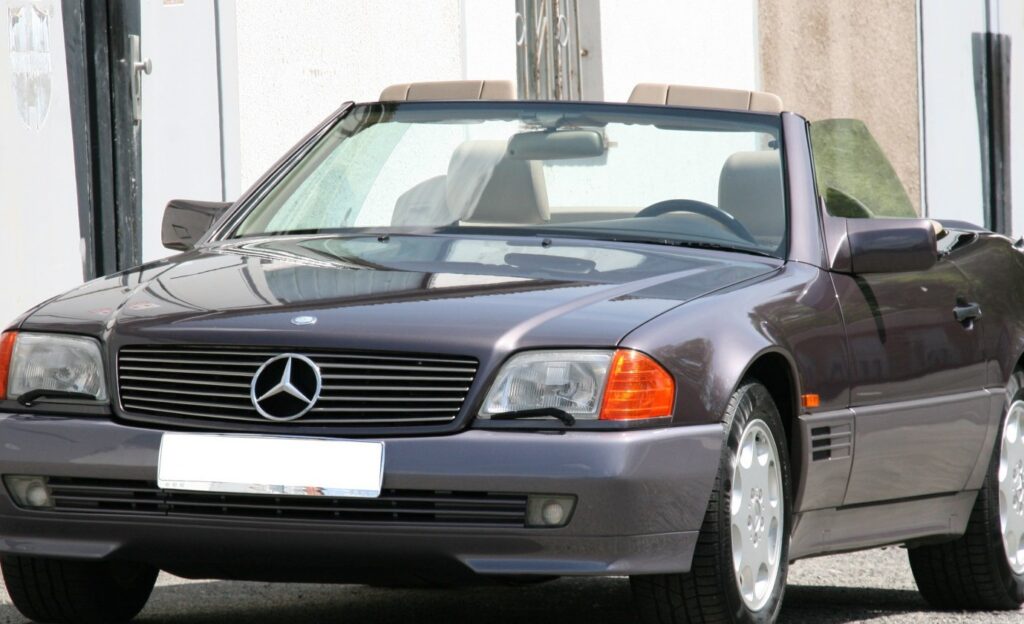
The Mercedes-Benz SL (R129) 300 SL-24, produced from July 1988 to June 1993, represented a significant entry point into the iconic SL roadster lineage. Positioned as the base model within the R129 generation, it offered a blend of luxury, performance, and Mercedes-Benz engineering at a comparatively accessible price point. The R129 series itself was a complete redesign of the SL, moving away from the more angular styling of the R107 and embracing a smoother, more contemporary aesthetic. The 300 SL-24, powered by a 3.0-liter inline-six engine paired with a four-speed automatic transmission, served as the foundation for the R129’s success, attracting a broad customer base seeking a sophisticated open-top experience.
Powertrain & Engine Architecture
The heart of the 300 SL-24 is the M104 E 30/2 engine, a 2,960 cc (180.63 cubic inches) inline-six cylinder powerplant. This engine, designated with the code 104.981, was a significant advancement over previous Mercedes-Benz six-cylinder designs. It featured a double overhead camshaft (DOHC) valvetrain with four valves per cylinder, contributing to its relatively high output for the time. Fuel delivery was managed by a multi-port manifold injection system, optimizing combustion efficiency and responsiveness. The engine produced 231 horsepower at 6,300 rpm and 272 Nm (200.62 lb-ft) of torque at 4,600 rpm.
The engine’s longitudinal mounting within the chassis contributed to a balanced weight distribution. The 300 SL-24 exclusively utilized a four-speed automatic transmission. This transmission, while providing smooth and effortless shifting, was a point of differentiation from the available five-speed manual transmission offered on other R129 variants. The automatic transmission’s gear ratios were tuned for a balance of acceleration and fuel economy, prioritizing comfortable cruising over outright performance. The transmission was known for its reliability, but later models benefitted from improvements in electronic control units.
Engine Specifications
Key engine specifications include a compression ratio of 10:1, a cylinder bore of 88.5 mm (3.48 inches), and a piston stroke of 80.2 mm (3.16 inches). The engine required 7.5 liters (7.93 US quarts) of oil, specified to Mercedes-Benz standards, and 11.5 liters (12.15 US quarts) of coolant. The naturally aspirated configuration meant the engine relied solely on atmospheric pressure for air intake, contributing to its linear power delivery.
Driving Characteristics
The 300 SL-24 Automatic offered a refined and comfortable driving experience. While not as overtly sporty as the later 320SL or the high-performance 600SL, it provided ample power for relaxed cruising and spirited driving. Acceleration from 0 to 100 km/h (0-62 mph) took approximately 8.4 seconds, and 0 to 60 mph was achieved in around 8 seconds. Top speed was electronically limited to 235 km/h (146.02 mph). The automatic transmission, while smooth, did result in some power loss compared to the manual transmission versions. The gear ratios were spaced to provide adequate acceleration in everyday driving situations, but downshifts could sometimes feel hesitant. The inline-six engine delivered a characteristic smooth and refined power delivery, lacking the low-end grunt of a V8 but offering a pleasingly linear response throughout the rev range.
Equipment & Trim Levels
The 300 SL-24 came standard with a comprehensive list of features befitting a luxury roadster. Interior appointments included leather upholstery, power-adjustable seats, and wood trim. Standard equipment also included automatic climate control, power windows, power locks, and a high-quality sound system. The dashboard layout was typical of Mercedes-Benz at the time, featuring a clear and concise instrument cluster. Optional extras included a driver and passenger airbag system (later becoming standard), a premium sound system with a CD changer, and various exterior color options. The 300 SL-24 was often seen as a blank canvas for customization, with many owners opting for additional features to personalize their vehicles.
Chassis & Braking
The R129 chassis was a robust and well-engineered platform. The 300 SL-24 utilized a wishbone suspension with a transverse stabilizer at the front, providing responsive handling and a comfortable ride. The rear suspension employed an independent multi-link spring suspension, also with a stabilizer, further enhancing ride quality and stability. Braking duties were handled by ventilated discs at the front and solid discs at the rear. The anti-lock braking system (ABS) was standard, providing enhanced stopping power and control in adverse conditions. The steering system was a cone worm with recirculation balls, offering precise and predictable steering feel, assisted by hydraulic power steering. The 300 SL-24 typically rode on 225/55 R16 tires mounted on 8J x 16 inch wheel rims.
Market Reception & Comparison
The 300 SL-24 was generally well-received by automotive critics. It was praised for its comfortable ride, refined engine, and luxurious interior. However, some critics noted that the automatic transmission detracted from the overall driving experience compared to the manual transmission options. Compared to the 320SL, the 300 SL-24 offered a more affordable entry point into the R129 range, but at the expense of outright performance. The 300 SL-24 also offered better fuel economy than the V8-powered 500SL and 600SL models. Fuel consumption was rated at 15 l/100 km (15.7 US mpg) in urban conditions and 9.4 l/100 km (25 US mpg) on the extra-urban cycle. Reliability was generally good, although early models were prone to some electrical issues.
Technical Specifications
| Brand | Mercedes-Benz |
| Model | SL |
| Generation | SL (R129) |
| Type | 300 SL-24 (231 Hp) Automatic |
| Start of production | July, 1988 |
| End of production | June, 1993 |
| Engine Model/Code | M 104 E 30/2 / 104.981 |
| Engine displacement | 2960 cm3 (180.63 cu. in.) |
| Number of cylinders | 6 |
| Power | 231 Hp @ 6300 rpm |
| Torque | 272 Nm @ 4600 rpm (200.62 lb.-ft. @ 4600 rpm) |
| Fuel Type | Petrol (Gasoline) |
| Acceleration 0 – 100 km/h | 8.4 sec |
| Acceleration 0 – 62 mph | 8.4 sec |
| Acceleration 0 – 60 mph | 8 sec |
| Maximum speed | 235 km/h (146.02 mph) |
| Kerb Weight | 1690-1740 kg (3725.81 – 3836.04 lbs.) |
| Fuel tank capacity | 80 l (21.13 US gal | 17.6 UK gal) |
| Length | 4470 mm (175.98 in.) |
| Width | 1812 mm (71.34 in.) |
| Height | 1303 mm (51.3 in.) |
| Wheelbase | 2515 mm (99.02 in.) |
| Number of gears and type of gearbox | 4 gears, automatic transmission |
Legacy
The 300 SL-24 remains a desirable classic car, particularly among enthusiasts seeking an affordable entry point into the R129 SL ownership experience. The M104 engine is known for its durability and relatively straightforward maintenance. While the four-speed automatic transmission is not as sought after as the five-speed manual, it provides a comfortable and user-friendly driving experience. Well-maintained examples of the 300 SL-24 continue to command reasonable prices in the used car market, making them an attractive option for those seeking a stylish and reliable open-top roadster with a rich heritage.