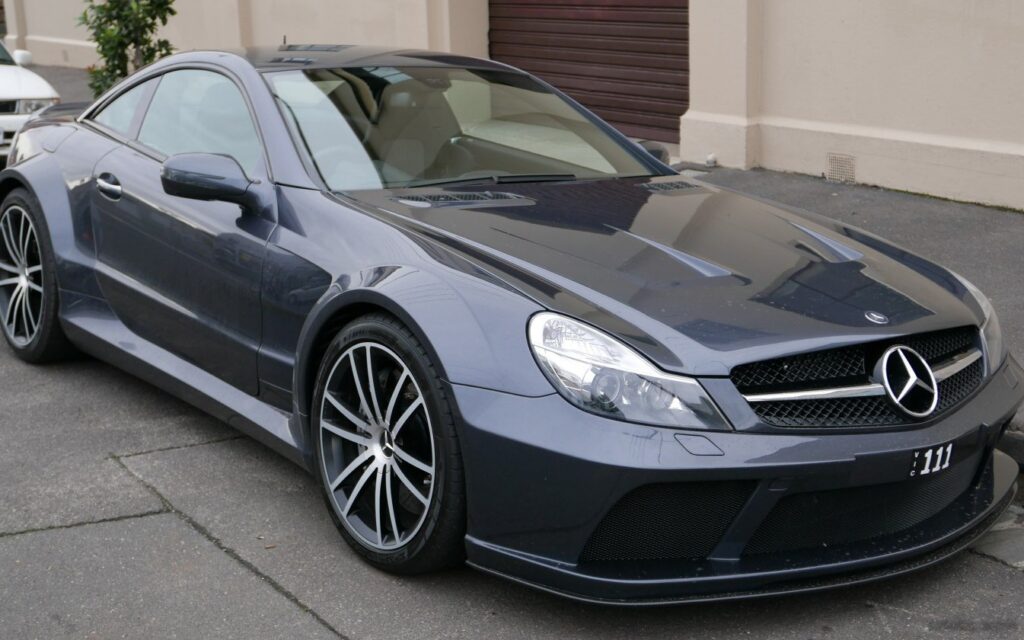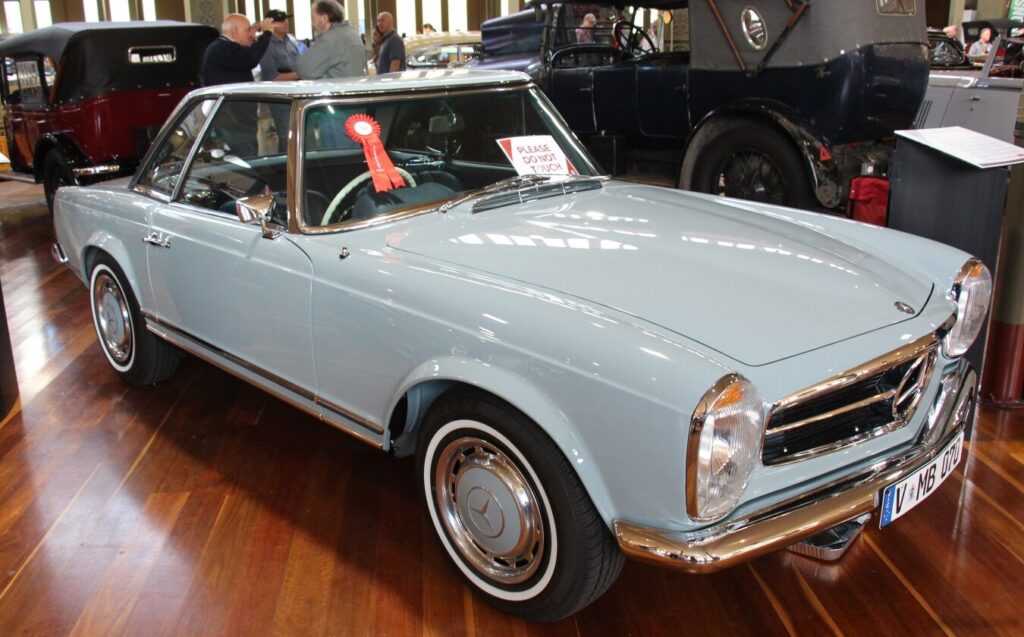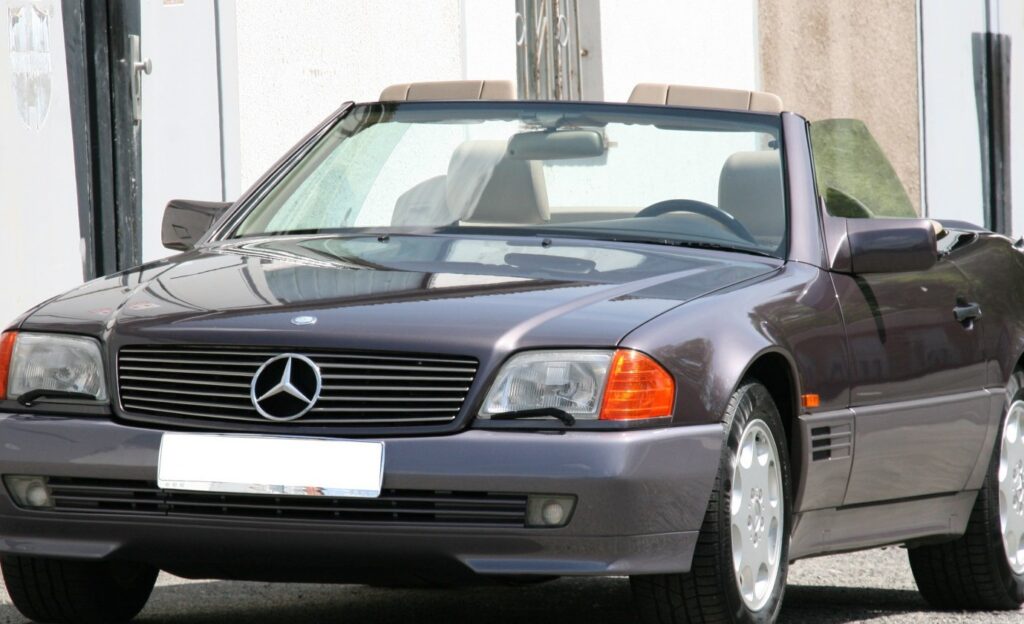
The Mercedes-Benz SL (R129) 500 SL V8 Automatic, produced from September 1992 to June 1993, represented the pinnacle of performance within the initial R129 generation of the iconic SL roadster. Positioned as the flagship model, it offered a substantial step up in power and refinement compared to the 300 SL and 400 SL variants. The R129 series, launched in 1989, aimed to blend traditional Mercedes-Benz luxury with modern technology and safety features, and the 500 SL embodied this philosophy. It was built on the W129 platform, a dedicated roadster chassis designed for open-top motoring.
Powertrain & Engine Architecture
The heart of the 500 SL was the M119.972 5.0-liter (4973 cm3 / 303.47 cu. in.) V8 engine. This engine was a significant departure from the inline-six engines previously used in the SL range. It featured a naturally aspirated configuration, boasting a 10:1 compression ratio and producing 320 horsepower at 5600 rpm and 470 Nm (346.65 lb-ft) of torque at 3900 rpm. The engine utilized multi-port fuel injection and a double overhead camshaft (DOHC) valvetrain with four valves per cylinder, contributing to its smooth power delivery and responsiveness. The engine was mounted longitudinally in the front of the vehicle.
Paired with the M119 engine was a 4-speed automatic transmission. This transmission, while not offering the latest gear counts by modern standards, was known for its smooth shifting and durability. It was specifically tuned to handle the substantial torque output of the V8 engine. The transmission’s gear ratios were optimized for a balance of acceleration and cruising efficiency, though the focus was decidedly on providing effortless power rather than maximizing fuel economy.
Engine Specifications
The M119 engine was a robust and over-engineered design, typical of Mercedes-Benz at the time. It featured a cast iron block with aluminum cylinder heads. Engine oil capacity was 8 liters (8.45 US qt / 7.04 UK qt), and the recommended oil specification was crucial for maintaining engine longevity. The cooling system held 15.5 liters (16.38 US qt / 13.64 UK qt) of coolant. The engine’s bore and stroke were 96.5 mm (3.8 in) and 85 mm (3.35 in) respectively, resulting in a power-to-liter ratio of 64.3 hp/l.
Driving Characteristics
The 500 SL Automatic offered a distinctly grand touring experience. Acceleration from 0 to 100 km/h (0-62 mph) was achieved in 6.5 seconds, and 0-60 mph in approximately 6.2 seconds. Top speed was electronically limited to 250 km/h (155.34 mph). The automatic transmission, while providing convenience, did result in a slight performance deficit compared to the 500 SL equipped with a manual gearbox. However, the automatic’s smooth shifts and relaxed cruising demeanor were well-suited to the car’s intended purpose – comfortable, high-speed touring. The weight-to-power ratio of 5.6 kg/hp and weight-to-torque ratio of 3.8 kg/Nm contributed to a feeling of substantial power readily available throughout the rev range.
The car felt planted and stable at high speeds, thanks to its relatively long wheelbase and well-tuned suspension. While not a nimble sports car, it offered a confident and secure driving experience. The steering, utilizing a cone worm with recirculation balls and hydraulic power assistance, provided adequate feedback, though it lacked the precision of more modern steering systems.
Equipment & Trim Levels
As the top-of-the-line SL variant, the 500 SL Automatic came standard with a comprehensive list of features. Interior appointments included leather upholstery, wood trim, and power-adjustable seats. Standard equipment also included automatic climate control, a high-end sound system, and power windows and locks. The exterior featured alloy wheels, color-matched body panels, and a power-operated soft top. Optional extras included heated seats, a premium sound system upgrade, and various cosmetic enhancements.
The interior design prioritized luxury and comfort. The dashboard layout was typical of Mercedes-Benz in the early 1990s, with a focus on functionality and ease of use. The instrument cluster was comprehensive, providing information on speed, engine rpm, fuel level, coolant temperature, and other vital parameters.
Chassis & Braking
The R129 chassis was designed to provide a comfortable ride and secure handling. The front suspension utilized coil springs, wishbones, and a transverse stabilizer bar. The rear suspension featured an independent multi-link setup with coil springs and a transverse stabilizer bar. This suspension configuration effectively isolated occupants from road imperfections while maintaining good body control.
Braking duties were handled by ventilated discs on all four wheels, assisted by an Anti-lock Braking System (ABS). The braking system provided ample stopping power, though it lacked the advanced features found in more modern braking systems. Tire size was 225/55 ZR 16, mounted on 8 J x 16 H2 alloy wheels.
Market Reception & Comparison
The 500 SL Automatic was generally well-received by automotive critics. It was praised for its powerful engine, luxurious interior, and comfortable ride. However, some critics noted that the automatic transmission dulled the driving experience slightly compared to the manual version. Fuel economy, at 11.5 l/100 km (20.5 US mpg / 24.6 UK mpg), was considered relatively poor, even for a large V8-powered roadster.
Compared to the 300 SL and 400 SL, the 500 SL offered a significant performance advantage. The 300 SL, with its inline-six engine, was more fuel-efficient but lacked the 500 SL’s effortless power. The 400 SL, with its V8 engine, offered a compromise between performance and economy, but still fell short of the 500 SL’s overall capabilities. The 500 SL was also positioned as a competitor to other high-end roadsters, such as the Porsche 911 and the BMW Z1.
Technical Specifications
| Brand | Mercedes-Benz |
| Model | SL |
| Generation | SL (R129) |
| Type | 500 SL V8 (320 Hp) Automatic |
| Start of production | September, 1992 |
| End of production | June, 1993 |
| Engine Model/Code | M 119.972 |
| Engine displacement | 4973 cm3 / 303.47 cu. in. |
| Number of cylinders | 8 |
| Power | 320 Hp @ 5600 rpm |
| Torque | 470 Nm @ 3900 rpm / 346.65 lb.-ft. @ 3900 rpm |
| Fuel Type | Petrol (Gasoline) |
| Acceleration 0 – 100 km/h | 6.5 sec |
| Acceleration 0 – 62 mph | 6.5 sec |
| Acceleration 0 – 60 mph | 6.2 sec |
| Maximum speed | 250 km/h / 155.34 mph |
| Kerb Weight | 1800 kg / 3968.32 lbs. |
| Fuel tank capacity | 80 l / 21.13 US gal / 17.6 UK gal |
| Length | 4470 mm / 175.98 in. |
| Width | 1812 mm / 71.34 in. |
| Height | 1303 mm / 51.3 in. |
| Number of gears | 4 |
| Gearbox type | automatic transmission |
Legacy
The M119 engine, found in the 500 SL, is renowned for its durability and reliability. With proper maintenance, these engines can easily exceed 200,000 miles. The 4-speed automatic transmission, while not as sophisticated as modern transmissions, is also generally reliable. However, like all vehicles of this era, the R129 SL is susceptible to age-related issues, such as hydraulic leaks, electrical problems, and corrosion.
Today, the 500 SL Automatic is a sought-after classic car. Its combination of performance, luxury, and iconic styling has made it a favorite among collectors and enthusiasts. Well-maintained examples command premium prices in the used car market. The R129 SL, and particularly the 500 SL variant, remains a testament to Mercedes-Benz’s engineering prowess and commitment to building high-quality automobiles.