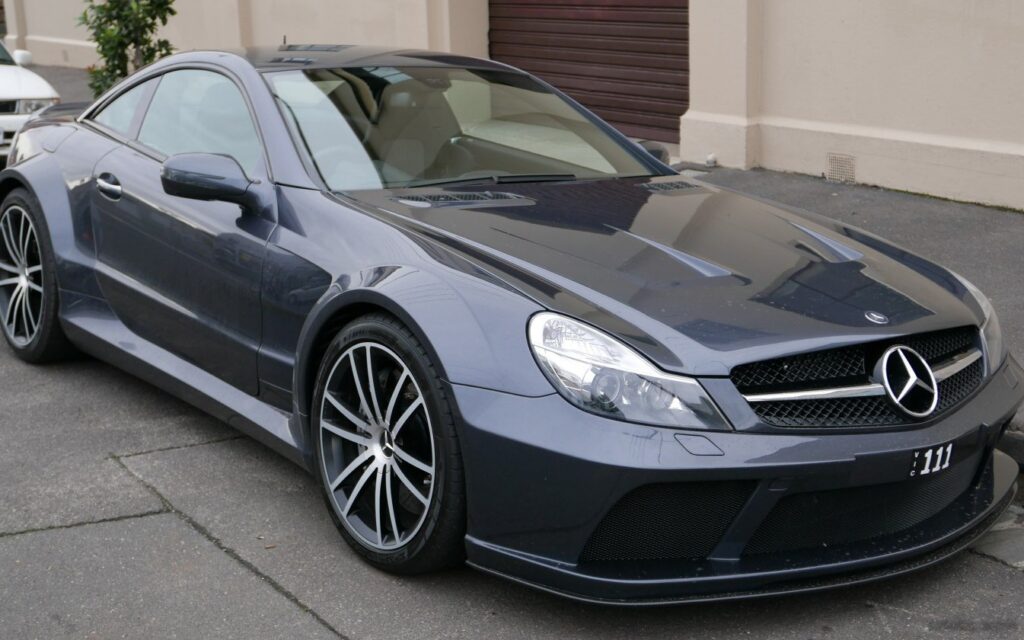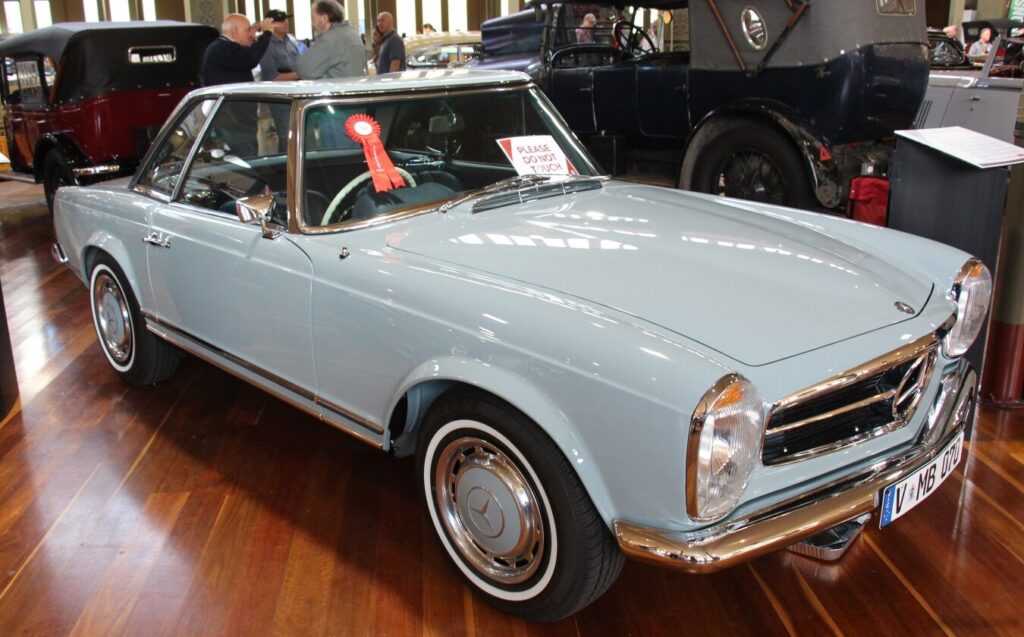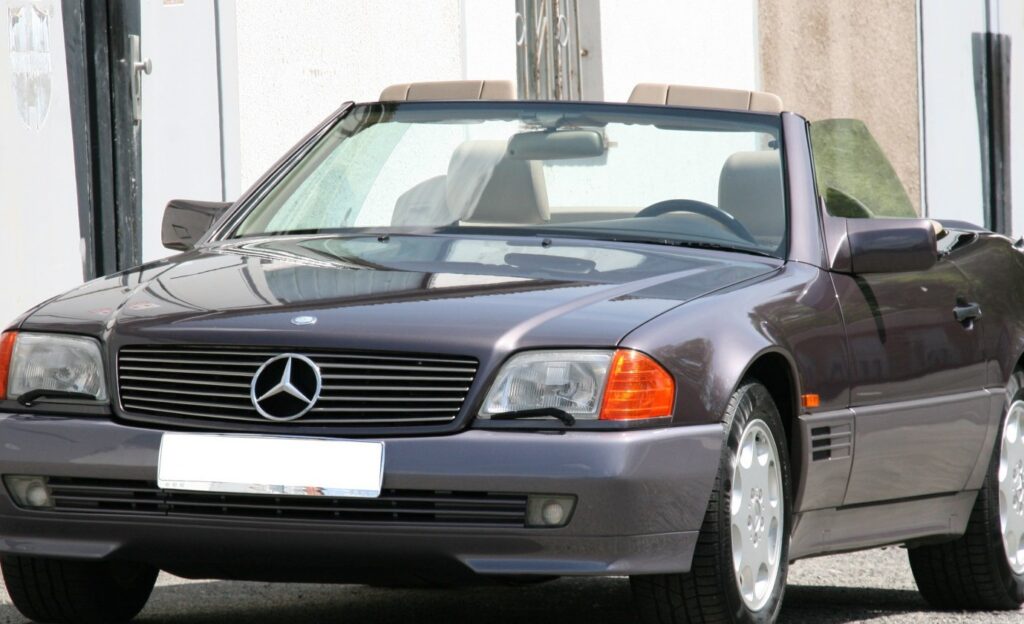
The Mercedes-Benz SL (R129) SL 280, produced from July 1993 to August 1995, represented a compelling entry point into the luxurious and technologically advanced R129 generation of the iconic SL roadster. Positioned as the base model within the initial lineup, the SL 280 offered a blend of performance, comfort, and Mercedes-Benz engineering, appealing to buyers seeking a sophisticated open-top experience without the higher price tag of the more powerful variants like the SL 320 or the flagship SL 600. Built on the 129 platform, it continued the SL’s long tradition of combining sporting dynamics with grand touring capabilities.
Powertrain & Engine Architecture
The heart of the SL 280 is the M104.943 inline-six cylinder engine, a 2.8-liter (2799 cc) naturally aspirated powerplant. This engine, a cornerstone of Mercedes-Benz’s mid-range offerings during the early to mid-1990s, is characterized by its smooth operation and robust construction. It features a double overhead camshaft (DOHC) valvetrain with four valves per cylinder, contributing to its respectable power output. Fuel delivery is managed by a multi-port manifold injection system, ensuring precise fuel atomization and efficient combustion. The engine produces 193 horsepower at 5500 rpm and 270 Nm (199.14 lb-ft) of torque at 3750 rpm.
Paired exclusively with a four-speed automatic transmission, the SL 280 prioritized ease of use and comfortable cruising over outright performance. This transmission, while not offering the driver engagement of a manual gearbox, was known for its smooth shifts and reliability. The engine is mounted longitudinally in the front of the vehicle, driving the rear wheels. The engine oil capacity is 7 liters (7.4 US qt / 6.16 UK qt) and requires a specification adhering to Mercedes-Benz standards. The cooling system holds 11.75 liters (12.42 US qt / 10.34 UK qt) of coolant.
Engine Code Specifics
The M104 engine family, of which the M104.943 is a member, is renowned for its durability and relatively straightforward maintenance. Common issues, when they arise, often relate to age-related wear and tear on components like the timing chain tensioner and vacuum lines. The engine’s design allows for relatively easy access to key components, simplifying servicing. The four-speed automatic transmission, while generally reliable, can exhibit issues with the torque converter or valve body over time, particularly with higher mileage examples.
Driving Characteristics
The SL 280’s driving experience is best described as refined and comfortable. While not as overtly sporty as the SL 320 or the V12-powered SL 600, the 2.8-liter engine provides adequate power for relaxed cruising and spirited driving. Acceleration from 0 to 100 km/h (0-62 mph) takes approximately 9.9 seconds, while 0-60 mph is achieved in around 9.4 seconds. Top speed is electronically limited to 225 km/h (139.81 mph). The automatic transmission’s gear ratios are tuned for smooth transitions and fuel efficiency, rather than aggressive acceleration. The engine delivers a linear power curve, making it predictable and easy to control. Compared to the manual transmission options available on other SL variants, the automatic SL 280 offers a more relaxed driving experience, sacrificing some driver involvement for convenience.
Equipment & Trim Levels
The SL 280 came standard with a generous array of features, reflecting its positioning as a luxury roadster. Standard equipment included leather upholstery, power windows, power locks, and a sophisticated climate control system. The interior featured a wood-trimmed dashboard and center console, adding to the sense of luxury. A key feature of the R129 SL was its automatically extending roll bar, designed to deploy in the event of a rollover. Optional extras included a premium sound system, heated seats, and a driver-side airbag (later made standard). The exterior typically featured color-matched body panels and alloy wheels. While not as extensively equipped as the higher-end SL models, the SL 280 offered a comfortable and well-appointed interior.
Chassis & Braking
The R129 SL chassis is a robust and well-engineered structure, providing a solid foundation for the roadster’s handling characteristics. The SL 280 utilizes a coil spring and wishbone suspension at the front, with a transverse stabilizer bar to reduce body roll. The rear suspension is an independent multi-link setup, also incorporating a transverse stabilizer bar. This suspension configuration provides a comfortable ride while maintaining good handling stability. Braking duties are handled by ventilated discs at the front and solid discs at the rear. Anti-lock braking system (ABS) is standard, enhancing safety and control during emergency braking situations. The steering system is a cone worm with recirculation balls, providing a precise and responsive feel, assisted by hydraulic power steering.
Market Reception & Comparison
The SL 280 was generally well-received by automotive critics as an accessible entry point into the R129 SL range. While some reviewers noted that the 2.8-liter engine lacked the outright performance of the larger-displacement engines, they praised its smoothness, refinement, and fuel efficiency. Fuel consumption figures are rated at 13.6 l/100 km (17.3 US mpg / 20.8 UK mpg) in urban conditions, 8.9 l/100 km (26.4 US mpg / 31.7 UK mpg) on the extra-urban cycle, and 10.5 l/100 km (22.4 US mpg / 26.9 UK mpg) combined. Compared to the SL 320, the SL 280 offered a lower purchase price and slightly better fuel economy, but at the expense of performance. The SL 280’s reliability was generally considered good, although, like all vehicles of this era, regular maintenance is crucial to prevent issues. It appealed to buyers who prioritized comfort and style over outright speed.
Technical Specifications
| Brand | Mercedes-Benz |
| Model | SL |
| Generation | SL (R129) |
| Type | SL 280 (193 Hp) 4 Automatic |
| Start of production | July, 1993 |
| End of production | August, 1995 |
| Engine Model/Code | M 104.943 |
| Engine displacement | 2799 cm3 (170.81 cu. in.) |
| Number of cylinders | 6 (Inline) |
| Power | 193 Hp @ 5500 rpm |
| Torque | 270 Nm @ 3750 rpm (199.14 lb.-ft. @ 3750 rpm) |
| Fuel Type | Petrol (Gasoline) |
| Acceleration 0 – 100 km/h | 9.9 sec |
| Acceleration 0 – 60 mph | 9.4 sec |
| Maximum speed | 225 km/h (139.81 mph) |
| Kerb Weight | 1760 kg (3880.14 lbs.) |
| Max. weight | 2150 kg (4739.94 lbs.) |
| Fuel tank capacity | 80 l (21.13 US gal | 17.6 UK gal) |
| Length | 4470 mm (175.98 in.) |
| Width | 1812 mm (71.34 in.) |
| Height | 1303 mm (51.3 in.) |
| Wheelbase | 2515 mm (99.02 in.) |
Legacy
The SL 280, while often overshadowed by its more powerful siblings, remains a desirable classic Mercedes-Benz. The M104 engine, when properly maintained, is known for its longevity, and many examples have surpassed 200,000 miles. In the used car market, the SL 280 typically commands a lower price than the SL 320 or SL 600, making it an attractive option for buyers seeking an R129 SL on a budget. However, finding a well-maintained example is crucial, as age-related issues can be present. The SL 280’s combination of classic Mercedes-Benz styling, comfortable ride, and relatively straightforward maintenance makes it a rewarding ownership experience for enthusiasts.