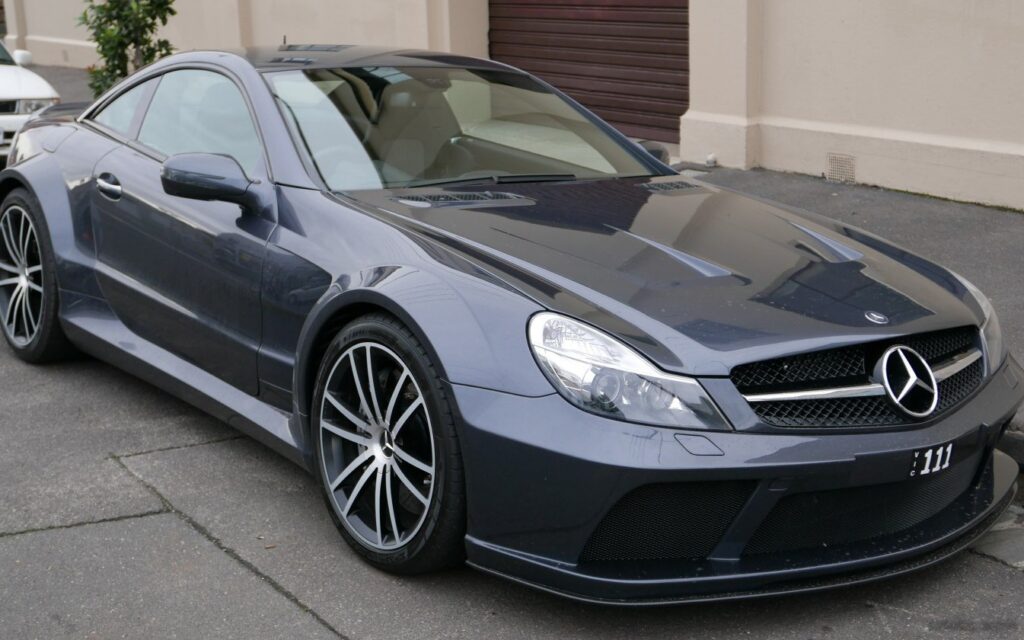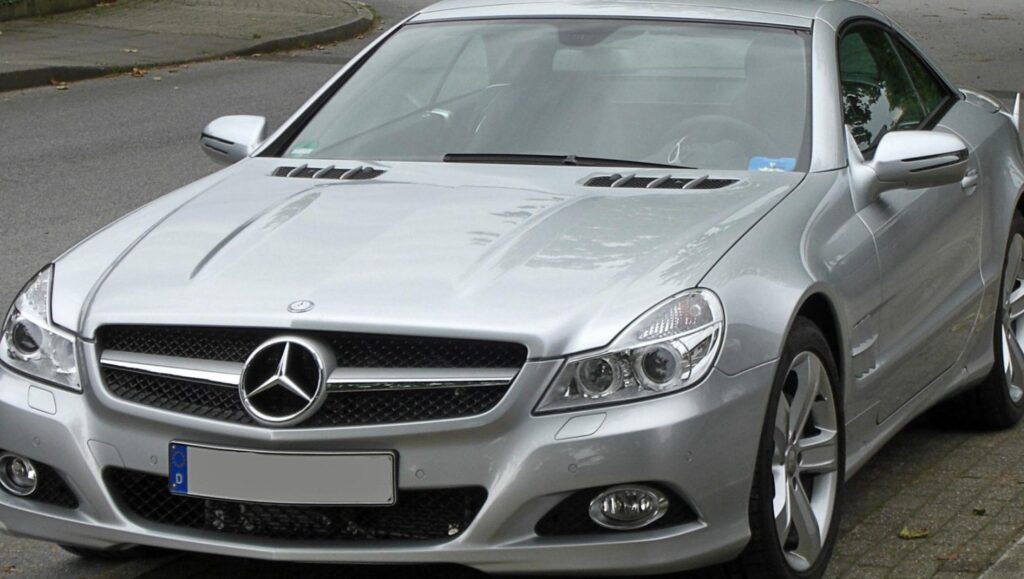
The Mercedes-Benz SL 300, introduced as part of the R230 facelift in April 2009 and continuing through December 2011, represented a significant shift in the SL lineup. Positioned as the entry-level model within the post-facelift R230 generation, it offered a more accessible price point and focused on refined grand touring rather than outright performance. The SL 300 combined a naturally aspirated 3.0-liter V6 engine with Mercedes-Benz’s 7G-TRONIC seven-speed automatic transmission, aiming to deliver a balance of power, efficiency, and comfort in the iconic SL roadster package. This variant was designed to broaden the SL’s appeal, attracting buyers who prioritized luxury and fuel economy over the higher performance offered by the SL 550 or the later SL 63 AMG models.
Powertrain & Engine Architecture
The heart of the SL 300 is the M 272.949 3.0-liter (2996 cc) naturally aspirated V6 engine. This engine, a member of the M272 family, features a 60-degree V-angle and utilizes a multi-port fuel injection system. The engine produces 231 horsepower (hp) at 6000 rpm and 300 Newton-meters (221.27 lb-ft) of torque between 2500 and 5000 rpm. It boasts a compression ratio of 11.3:1 and employs a double overhead camshaft (DOHC) valvetrain with four valves per cylinder. The engine’s layout is longitudinal, mounted within the front of the vehicle.
The engine is paired exclusively with the 7G-TRONIC seven-speed automatic transmission. This transmission, known for its smooth shifting and efficiency, features a torque converter and electronically controlled gear changes. The 7G-TRONIC offers a selectable manual shift mode, allowing drivers some control over gear selection, though it’s primarily designed for automatic operation. The transmission’s gear ratios are optimized for both comfortable cruising and responsive acceleration. The final drive ratio contributes to the SL 300’s overall performance characteristics.
Engine Specifications
Key engine specifications include a cylinder bore of 88 mm (3.46 in) and a piston stroke of 82.1 mm (3.23 in). The engine requires 8 liters (8.45 US qt / 7.04 UK qt) of engine oil, specified to Mercedes-Benz standards, and 7.5 liters (7.93 US qt / 6.6 UK qt) of coolant. The engine is designed to meet Euro 5 emission standards.
Driving Characteristics
The SL 300’s driving experience is characterized by smooth, effortless cruising. The 231 hp V6 provides adequate power for comfortable highway driving and spirited backroad excursions, but it doesn’t offer the same level of acceleration as the more powerful SL 550 or SL 63 AMG. Acceleration from 0 to 100 km/h (0-62 mph) takes approximately 7.8 seconds, while 0-60 mph is achieved in around 7.4 seconds. The electronically limited top speed is 250 km/h (155.34 mph). The 7G-TRONIC transmission contributes to a refined driving experience, with seamless gear changes and a focus on fuel efficiency. Compared to manual transmission-equipped SL models (available on other variants), the SL 300’s automatic transmission prioritizes ease of use and comfort over driver engagement.
The weight distribution, combined with the rear-wheel drive configuration, provides balanced handling. However, the SL 300’s weight of 1740 kg (3836.04 lbs) does impact its agility compared to lighter sports cars. The engine’s torque curve delivers usable power across a broad range of engine speeds, making it easy to drive in various conditions.
Equipment & Trim Levels
The SL 300 came standard with a comprehensive list of features befitting a luxury roadster. Standard equipment included leather upholstery, automatic climate control, power-adjustable seats, a premium sound system, and a retractable hardtop. The interior featured a dashboard design consistent with the R230 facelift, offering a blend of classic Mercedes-Benz styling and modern technology. Optional extras included features such as upgraded leather packages, premium audio systems (such as Harman Kardon), parking assist, and various cosmetic enhancements. While not as extensively customizable as higher-trim SL models, the SL 300 offered a range of options to personalize the driving experience.
Chassis & Braking
The SL 300 utilizes a coil spring, independent multi-link suspension system at both the front and rear. This suspension setup is tuned for a balance of comfort and handling. The front brakes consist of ventilated discs measuring 330 mm, while the rear brakes also feature ventilated discs, measuring 300 mm. The braking system is equipped with ABS (Anti-lock Braking System) for enhanced safety. The steering system is a hydraulic power steering rack and pinion setup. The SL 300 rides on 255/45 R 17 tires mounted on 8.5 J x 17 inch wheel rims.
Market Reception & Comparison
The SL 300 was generally well-received by automotive critics as an accessible entry point into the SL range. Reviewers praised its comfortable ride, refined interior, and fuel efficiency. However, some critics noted that the V6 engine lacked the punch of the larger V8 engines offered in other SL models. Fuel economy figures are rated at 9.3 l/100 km (25.3 US mpg / 30.4 UK mpg) combined, and CO2 emissions are 217 g/km. Compared to the SL 550, the SL 300 offered significantly better fuel economy but less performance. The SL 300’s reliability has proven to be generally good, with the M272 engine being known for its durability. However, like all Mercedes-Benz vehicles, regular maintenance is crucial to ensure long-term reliability.
Technical Specifications
| Brand | Mercedes-Benz |
| Model | SL |
| Generation | SL (R230, facelift 2008) |
| Type | SL 300 V6 (231 Hp) 7G-TRONIC |
| Start of production | April, 2009 |
| End of production | December, 2011 |
| Powertrain Architecture | Internal Combustion engine |
| Body type | Roadster |
| Seats | 2 |
| Doors | 2 |
| Fuel consumption (urban) | 13.5 l/100 km (17.4 US mpg / 20.9 UK mpg) |
| Fuel consumption (extra urban) | 6.8 l/100 km (34.6 US mpg / 41.5 UK mpg) |
| Fuel consumption (combined) | 9.3 l/100 km (25.3 US mpg / 30.4 UK mpg) |
| CO2 emissions | 217 g/km |
| Fuel Type | Petrol (Gasoline) |
| Acceleration 0 – 100 km/h | 7.8 sec |
| Acceleration 0 – 62 mph | 7.8 sec |
| Acceleration 0 – 60 mph | 7.4 sec |
| Acceleration 0 – 200 km/h | 26.4 sec |
| Maximum speed | 250 km/h (155.34 mph) |
| Emission standard | Euro 5 |
| Weight-to-power ratio | 7.5 kg/Hp |
| Weight-to-torque ratio | 5.8 kg/Nm |
| Power | 231 Hp @ 6000 rpm |
| Torque | 300 Nm @ 2500-5000 rpm (221.27 lb.-ft.) |
| Maximum engine speed | 6500 rpm |
| Engine layout | Front, Longitudinal |
| Engine Model/Code | M 272.949 |
| Engine displacement | 2996 cm3 (182.83 cu. in.) |
| Number of cylinders | 6 |
| Engine configuration | V-engine |
| Cylinder Bore | 88 mm (3.46 in) |
| Piston Stroke | 82.1 mm (3.23 in) |
| Compression ratio | 11.3:1 |
| Number of valves per cylinder | 4 |
| Fuel injection system | Multi-port manifold injection |
| Engine aspiration | Naturally aspirated engine |
| Valvetrain | DOHC |
| Engine oil capacity | 8 l (8.45 US qt / 7.04 UK qt) |
| Coolant capacity | 7.5 l (7.93 US qt / 6.6 UK qt) |
| Kerb Weight | 1740 kg (3836.04 lbs) |
| Max. weight | 2110 kg (4651.75 lbs) |
| Max load | 370 kg (815.71 lbs) |
| Trunk (boot) space – minimum | 235 l (8.3 cu. ft) |
| Trunk (boot) space – maximum | 339 l (11.97 cu. ft) |
| Fuel tank capacity | 80 l (21.13 US gal / 17.6 UK gal) |
| Length | 4562 mm (179.61 in) |
| Width | 1820 mm (71.65 in) |
| Height | 1317 mm (51.85 in) |
| Wheelbase | 2560 mm (100.79 in) |
| Drive wheel | Rear wheel drive |
| Number of gears | 7 |
| Gearbox type | Automatic transmission |
Legacy
The SL 300, while not the most sought-after variant of the R230 generation, has established itself as a reliable and relatively affordable entry point into SL ownership. The M272 V6 engine is known for its durability, and the 7G-TRONIC transmission has proven to be robust. On the used car market, SL 300 models typically command lower prices than the SL 550 or SL 63 AMG, making them attractive to buyers seeking the SL experience without the higher price tag. The SL 300 represents a compelling option for those prioritizing comfort, style, and fuel efficiency in a luxury roadster.