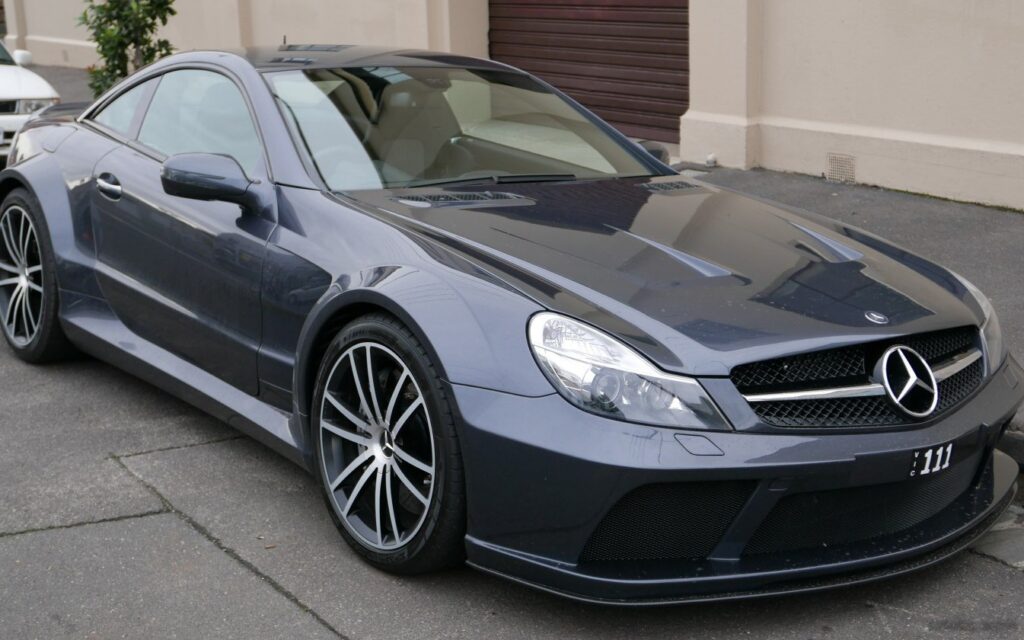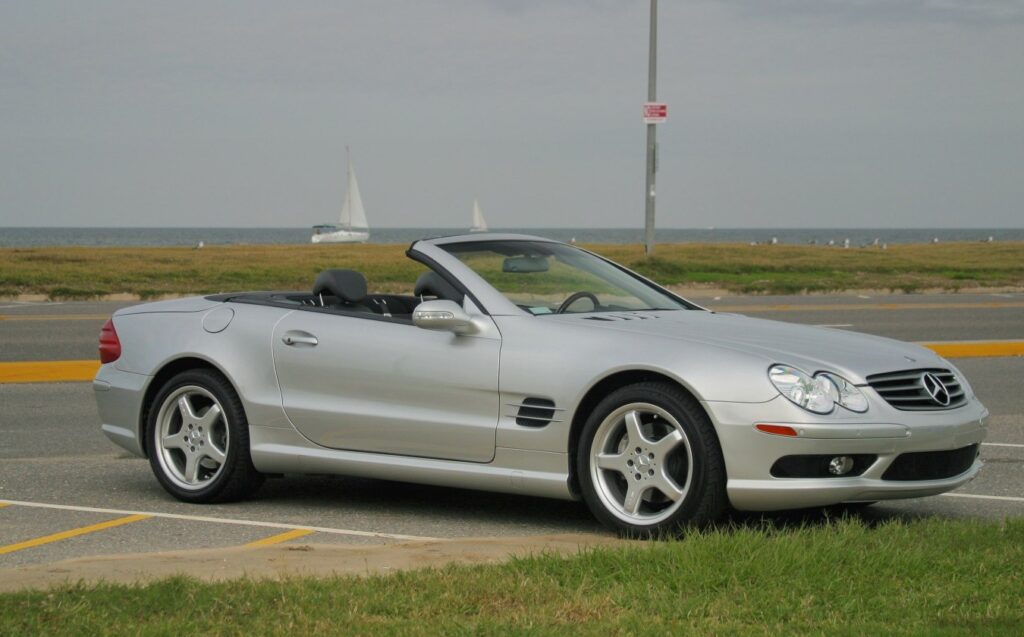
The Mercedes-Benz SL (R230) SL 500 V8 Automatic, produced from July 2001 to March 2006, represents a significant iteration of Mercedes-Benz’s iconic roadster. Part of the R230 generation, which ran from 2001-2011, the SL 500 occupied a mid-to-premium position within the lineup, offering a blend of performance, luxury, and advanced technology. It sat above the SL 320 and SL 350 models, and below the higher-performance SL 55 AMG and SL 600 variants. The R230 generation marked a return to traditional roadster styling after the more angular design of the R129, and introduced features like the retractable hardtop – a first for the SL – enhancing both security and all-weather usability.
SL 500 Powertrain & Engine Architecture
The heart of the SL 500 is the M113.963 5.0-liter (4966 cc) naturally aspirated V8 engine. This engine is a cornerstone of Mercedes-Benz’s engineering prowess during the early 2000s. It features a three-valve-per-cylinder (SOHC) design, multi-port fuel injection, and a compression ratio of 10:1. Bore and stroke dimensions are 97 mm (3.82 in) and 84 mm (3.31 in) respectively. The engine produces 306 horsepower at 5600 rpm and 460 Nm (339.28 lb-ft) of torque between 2700-4250 rpm. The engine oil capacity is 7.5 liters (7.93 US qt / 6.6 UK qt) and requires a specific oil formulation as per Mercedes-Benz specifications.
Paired with the V8 is a 5-speed automatic transmission. This transmission, while reliable, is a point of discussion among enthusiasts, as later iterations of the SL received more advanced 7-speed automatics. The 5-speed unit provides smooth shifts but lacks the responsiveness and efficiency of its successor. The drivetrain is rear-wheel drive, delivering power to the rear wheels for a classic roadster driving experience.
Fuel Injection and Valvetrain Details
The M113.963 engine utilizes a multi-port fuel injection system, delivering fuel directly into the intake ports just before the intake valves. This system, while not as advanced as direct injection, provides efficient combustion and contributes to the engine’s smooth power delivery. The single overhead camshaft (SOHC) design, with three valves per cylinder (two intake, one exhaust), is a relatively simple yet effective valvetrain configuration. This design balances performance with reliability and cost-effectiveness.
Driving Characteristics
The SL 500 Automatic offers a grand touring experience characterized by smooth, effortless power. Acceleration from 0-100 km/h (0-62 mph) takes approximately 6.3 seconds, and 0-60 mph is achieved in around 6 seconds. Top speed is electronically limited to 250 km/h (155.34 mph). While not as overtly sporty as the SL 55 AMG, the SL 500 provides ample power for comfortable highway cruising and spirited driving. The automatic transmission, while smooth, can feel somewhat hesitant during quick downshifts compared to manual transmission options available in other SL models.
The gear ratios of the 5-speed automatic are tuned for comfort and fuel efficiency rather than outright performance. First gear is relatively short for quick acceleration from a standstill, while higher gears are spaced to optimize fuel economy at cruising speeds. The torque curve of the V8 engine is broad and flat, providing strong pulling power throughout the rev range. This makes the SL 500 a relaxed and enjoyable car to drive in a variety of conditions.
Equipment & Trim Levels
The SL 500 came standard with a comprehensive list of features befitting its position in the Mercedes-Benz lineup. Standard equipment included leather upholstery, automatic climate control, power-adjustable seats with memory function, a premium sound system, and a retractable hardtop. The interior featured wood trim and high-quality materials throughout. Optional extras included features like bi-xenon headlights, a panoramic sunroof, upgraded sound systems (such as Harman Kardon), and various driver assistance systems. Trim levels were relatively limited, with most customization occurring through the selection of individual options.
Chassis & Braking
The SL 500 utilizes an independent multi-link suspension system at both the front and rear, providing a comfortable ride and precise handling. Hydraulic elements are used in the suspension to provide damping and control. The front suspension features stabilizer bars to reduce body roll during cornering. Braking is handled by ventilated discs on all four wheels, providing ample stopping power. The car is equipped with ABS (Anti-lock Braking System) as standard. The steering system is a rack and pinion setup with hydraulic power steering, offering a balanced feel and responsive steering input.
The curb weight of the SL 500 is 1770 kg (3902.18 lbs), with a maximum weight of 2140 kg (4717.89 lbs). The front track measures 1559 mm (61.38 in) and the rear track 1547 mm (60.91 in). The drag coefficient ranges from 0.29 to 0.34, contributing to aerodynamic efficiency.
Market Reception & Comparison
The SL 500 was generally well-received by automotive critics. It was praised for its luxurious interior, comfortable ride, and powerful engine. However, some critics noted that the 5-speed automatic transmission felt dated compared to newer transmissions available in competing vehicles. Fuel economy, at 12.7 l/100 km (18.5 US mpg / 22.2 UK mpg), was considered average for a vehicle in its class. Compared to the SL 350, the SL 500 offered significantly more power and a more refined driving experience. Compared to the SL 55 AMG, it lacked the outright performance but provided a more comfortable and relaxed driving experience. The SL 500 appealed to buyers seeking a luxurious and capable roadster without the extreme performance of the AMG models.
Technical Specifications
| Engine Model/Code | M 113.963 |
| Engine Displacement | 4966 cm3 (303.04 cu. in.) |
| Number of Cylinders | 8 |
| Engine Configuration | V-engine |
| Cylinder Bore | 97 mm (3.82 in.) |
| Piston Stroke | 84 mm (3.31 in.) |
| Compression Ratio | 10:1 |
| Number of Valves per Cylinder | 3 |
| Fuel Injection System | Multi-port manifold injection |
| Engine Aspiration | Naturally aspirated |
| Power | 306 Hp @ 5600 rpm |
| Torque | 460 Nm @ 2700-4250 rpm (339.28 lb.-ft. @ 2700-4250 rpm) |
| Fuel Consumption (Urban) | 19.1 l/100 km (12.3 US mpg / 14.8 UK mpg / 5.2 km/l) |
| Fuel Consumption (Extra Urban) | 9.2 l/100 km (25.6 US mpg / 30.7 UK mpg / 10.9 km/l) |
| Fuel Consumption (Combined) | 12.7 l/100 km (18.5 US mpg / 22.2 UK mpg / 7.9 km/l) |
| CO2 Emissions | 321 g/km |
| Kerb Weight | 1770 kg (3902.18 lbs.) |
| Max. Weight | 2140 kg (4717.89 lbs.) |
| Fuel Tank Capacity | 80 l (21.13 US gal / 17.6 UK gal) |
| Length | 4535 mm (178.54 in.) |
| Width | 1815 mm (71.46 in.) |
| Height | 1298 mm (51.1 in.) |
| Wheelbase | 2560 mm (100.79 in.) |
| Transmission | 5 gears, automatic |
Legacy
The M113 engine, found in the SL 500, is generally considered a robust and reliable powerplant. While maintenance costs can be higher due to the engine’s complexity and age, it is not prone to catastrophic failures if properly maintained. The 5-speed automatic transmission is also relatively reliable, although it may exhibit some wear and tear over time. On the used car market, the SL 500 represents a good value proposition for buyers seeking a luxurious and capable roadster. Prices vary depending on condition, mileage, and options, but well-maintained examples can be found at reasonable prices. The R230 SL 500 remains a desirable classic, appreciated for its elegant styling, comfortable ride, and powerful V8 engine.