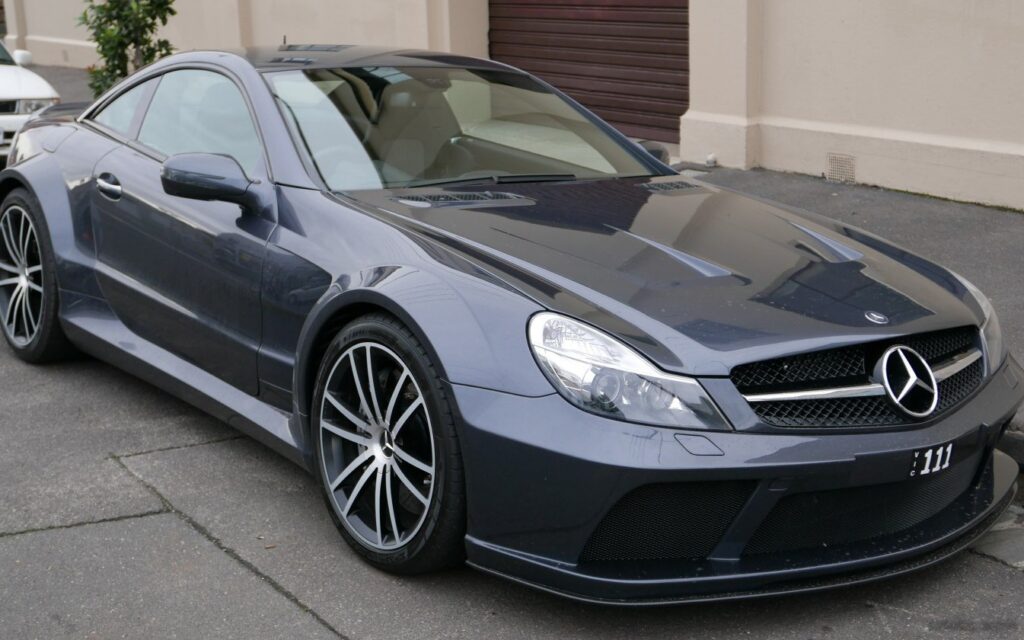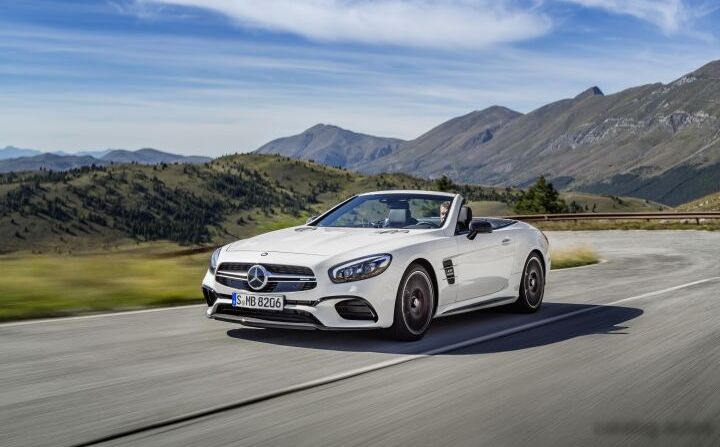
The Mercedes-Benz SL 400 V6 (367 hp) with the 9G-TRONIC PLUS automatic transmission represents a significant iteration of the R231 generation SL-Class roadster, produced from May 2019 through 2020. This variant arrived as part of the facelift introduced in 2016, offering a blend of performance and luxury positioned within the SL lineup as a compelling alternative to the more powerful SL 550 and the later AMG variants. Built on the Mercedes-Benz M231 platform, the SL 400 aimed to provide a more accessible entry point into the SL experience without sacrificing the model’s core attributes of open-air motoring and sophisticated engineering.
SL 400: Positioning and Overview
The SL 400 V6 occupied a middle ground in the R231 SL-Class range. Above it sat the SL 550, boasting a larger V8 engine and increased power, and the high-performance AMG SL 63 and SL 65 models. Below it, the SL 350 (not widely available in the US market) offered a less powerful, more fuel-efficient option. The SL 400 was designed to appeal to buyers seeking a balance between exhilarating performance and reasonable running costs, offering a more refined driving experience than the base models while remaining more attainable than the top-tier AMG versions. It was marketed towards those who appreciated the SL’s iconic design and luxurious features but didn’t necessarily require the ultimate in raw power.
Powertrain & Engine Architecture
At the heart of the SL 400 lies the M276.825 3.0-liter V6 engine. This engine is a 60-degree V-engine featuring direct fuel injection and twin turbochargers. The direct injection system precisely meters fuel into the combustion chambers, optimizing combustion efficiency and power output. The twin-turbocharger setup utilizes a single scroll turbine design, minimizing turbo lag and providing a broad torque curve. The engine produces 367 horsepower at 5500-6000 rpm and 500 Nm (368.78 lb-ft) of torque between 2000-4200 rpm. The engine’s valvetrain employs Dual Overhead Camshafts (DOHC) with four valves per cylinder, further enhancing its breathing and performance.
The engine is mated to Mercedes-Benz’s 9G-TRONIC PLUS nine-speed automatic transmission. This transmission is known for its smooth shifting and wide gear ratio spread, contributing to both fuel efficiency and responsive acceleration. The 9G-TRONIC PLUS features a torque converter lockup clutch that engages in most gears, reducing slippage and improving efficiency. Paddle shifters are included, allowing for manual gear selection when desired. The transmission is longitudinally mounted, driving the rear wheels.
Driving Characteristics
The SL 400 V6 delivers a refined and capable driving experience. The twin-turbocharged V6 provides ample power for both spirited driving and comfortable cruising. Acceleration from 0 to 60 mph is achieved in approximately 4.7-4.9 seconds, and the car is electronically limited to a top speed of 155.34 mph (250 km/h). The 9G-TRONIC transmission contributes to smooth and seamless gear changes, enhancing the overall driving experience. Compared to the SL 550’s V8, the SL 400 offers slightly less raw power, but its lighter weight and responsive turbocharging result in a similar level of real-world performance. The SL 400 feels more agile and nimble than its V8-powered sibling, particularly in corners. The gear ratios are optimized for both acceleration and fuel economy, providing a balance between performance and efficiency.
Equipment & Trim Levels
The SL 400 came standard with a comprehensive array of luxury features. Standard equipment typically included leather upholstery, heated and ventilated seats, a premium sound system, a power-retractable hardtop, and a multi-function steering wheel. The infotainment system featured a large central display screen with navigation, Bluetooth connectivity, and smartphone integration. Optional extras included features such as the Driver Assistance Package (including adaptive cruise control, lane keeping assist, and blind spot monitoring), the Premium Package (adding features like a panoramic sunroof and upgraded interior trim), and various standalone options like upgraded wheels and exterior paint colors. Interior color schemes were customizable, allowing buyers to personalize the cabin to their preferences.
Chassis & Braking
The SL 400 utilizes an independent multi-link suspension system at both the front and rear axles. This suspension design provides a comfortable ride while maintaining precise handling characteristics. The suspension is tuned to balance ride comfort and handling performance, offering a composed and controlled driving experience. The SL 400 is equipped with ventilated disc brakes at all four corners, providing ample stopping power. Anti-lock Braking System (ABS) is standard, enhancing braking performance and stability. The steering system is a rack-and-pinion setup with electric power steering, offering precise and responsive steering feel. The car rides on 255/35 R19 tires at the front and 285/30 R19 tires at the rear, providing excellent grip and handling.
Market Reception & Comparison
The SL 400 was generally well-received by automotive critics. Reviewers praised its refined driving experience, comfortable ride, and luxurious interior. The V6 engine was considered a good compromise between performance and fuel efficiency. Compared to the SL 550, the SL 400 offered a more accessible price point without sacrificing too much in terms of performance or luxury. Fuel economy figures were rated at 9.5-9.8 l/100 km (24.8-24 US mpg) combined, making it more efficient than the V8-powered SL 550. Reliability reports suggest that the M276 V6 engine is generally reliable, although preventative maintenance is crucial. Some owners have reported issues with the electronic systems and the retractable hardtop mechanism, but these are not widespread problems.
Technical Specifications
| Engine Model/Code | M 276.825 |
| Engine Displacement | 2996 cm3 (182.83 cu. in.) |
| Number of Cylinders | 6 |
| Engine Configuration | V-engine |
| Cylinder Bore | 88 mm (3.46 in.) |
| Piston Stroke | 82.1 mm (3.23 in.) |
| Compression Ratio | 10.5:1 |
| Fuel Injection System | Direct Injection |
| Engine Aspiration | BiTurbo, Intercooler |
| Maximum Power | 367 Hp @ 5500-6000 rpm |
| Maximum Torque | 500 Nm @ 2000-4200 rpm (368.78 lb.-ft.) |
| Maximum Engine Speed | 6300 rpm |
| Fuel Type | Petrol (Gasoline) |
| Transmission | 9-speed automatic (9G-TRONIC PLUS) |
| Drive Wheels | Rear Wheel Drive |
| Kerb Weight | 1660 kg (3659.67 lbs.) |
| Max. Weight | 2115 kg (4662.78 lbs.) |
| Fuel Tank Capacity | 75 l (19.81 US gal | 16.5 UK gal) |
| Length | 4631 mm (182.32 in.) |
| Width | 1877 mm (73.9 in.) |
| Height | 1315 mm (51.77 in.) |
| Wheelbase | 2585 mm (101.77 in.) |
| Acceleration 0-100 km/h | 4.9 sec |
| Acceleration 0-60 mph | 4.7 sec |
| Maximum Speed | 250 km/h (155.34 mph) – Electronically Limited |
Legacy
The SL 400 V6 represents a well-rounded and capable iteration of the R231 SL-Class. While not as sought-after as the higher-performance AMG models, it offers a compelling combination of luxury, performance, and efficiency. On the used car market, the SL 400 typically commands a lower price than the SL 550 or AMG variants, making it an attractive option for buyers seeking an SL experience on a more reasonable budget. The M276 V6 engine has proven to be relatively reliable, and with proper maintenance, these cars can provide many years of enjoyable open-air motoring. The 9G-TRONIC transmission is also known for its durability and smooth operation. As the R231 generation SL-Class continues to age, the SL 400 is likely to become increasingly appreciated as a well-balanced and refined grand tourer.