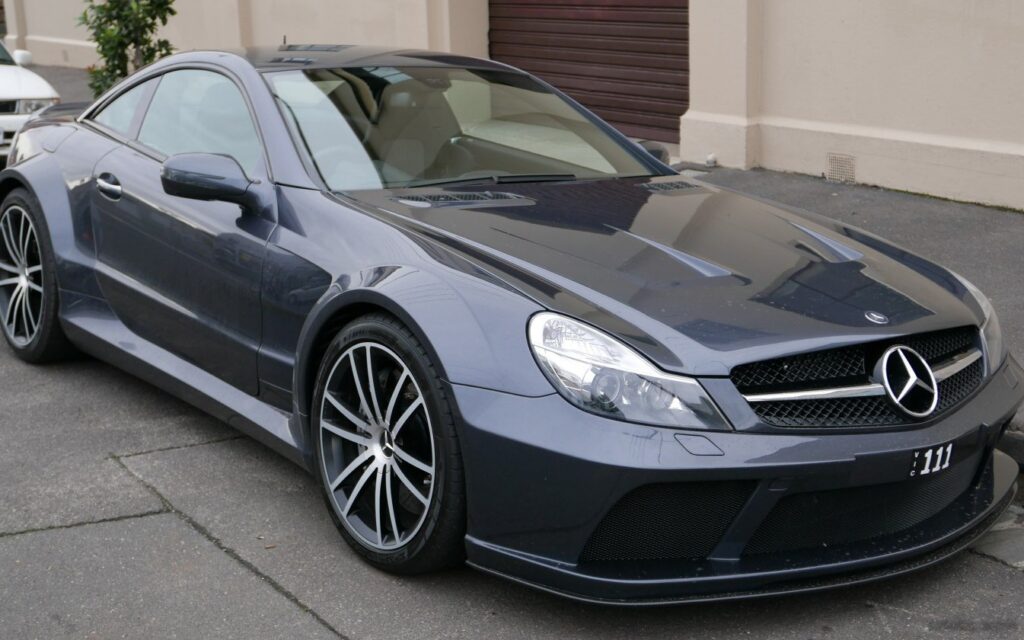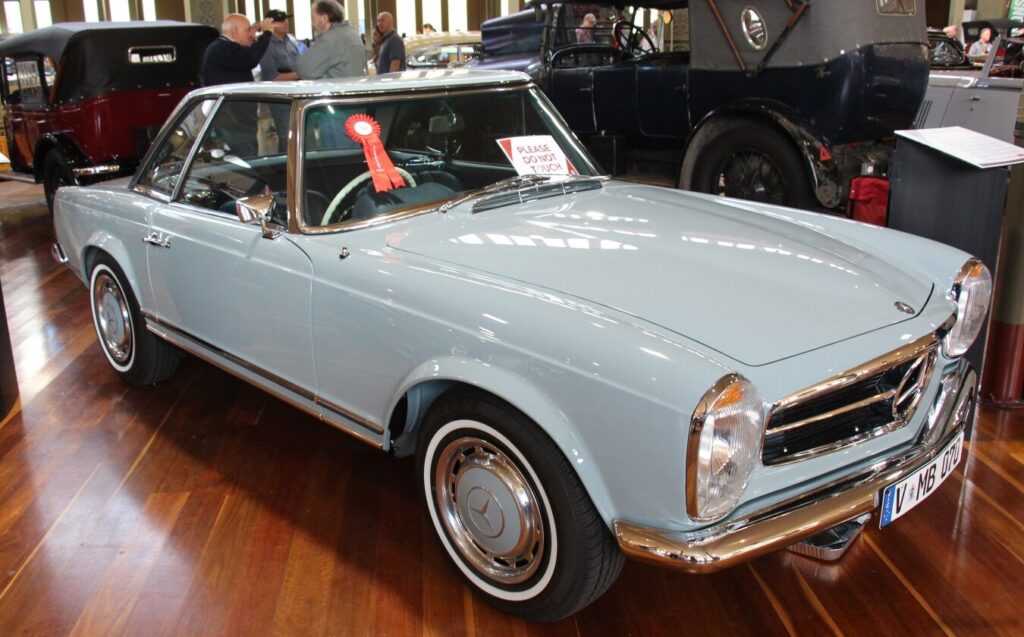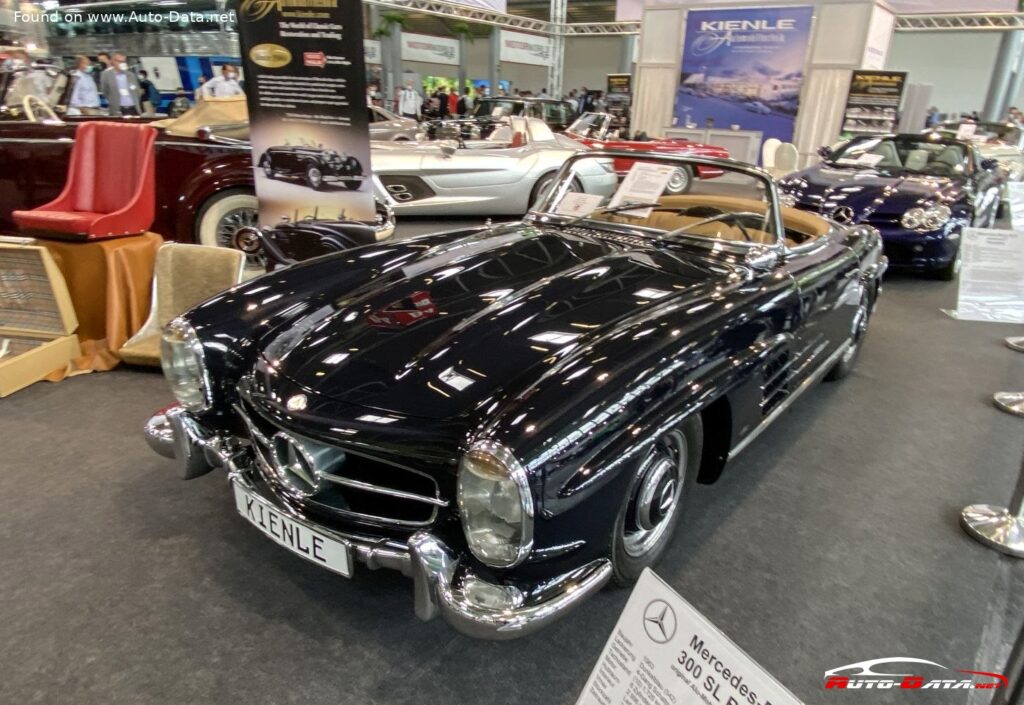
The Mercedes-Benz 300 SL (W198 II) was a landmark vehicle in automotive history, produced between May 1957 and February 1963. Representing the second series of the iconic SL Roadster, it built upon the groundbreaking design of the original 300 SL “Gullwing” but transitioned to conventional doors for improved practicality. This iteration of the 300 SL occupied the premium performance segment of the Mercedes-Benz lineup, offering a blend of luxury, sporting capability, and advanced engineering for its time. It was based on the W198 platform, a dedicated chassis designed specifically for the SL Roadster series.
Powertrain & Engine Architecture
The heart of the 300 SL was the M198.980 engine, a 2,996 cc (182.83 cu. in.) inline-six cylinder powerplant. This engine was a direct descendant of the unit used in the Gullwing, albeit with some refinements. It featured a cast iron block and aluminum cylinder head, employing direct fuel injection – a relatively advanced technology for the late 1950s. This direct injection system, developed by Bosch, contributed significantly to the engine’s high output. The engine utilized a single overhead camshaft (SOHC) valvetrain with two valves per cylinder. Bore and stroke measured 85 mm (3.35 in) and 88 mm (3.46 in) respectively, resulting in a compression ratio of 8.55:1.
The 300 SL was exclusively offered with a four-speed manual transmission. This transmission was designed to handle the engine’s 215 horsepower and 275 Nm (202.83 lb.-ft.) of torque. The drivetrain configuration was front-engine, rear-wheel drive, with a longitudinal engine layout. Engine oil capacity was 15 liters (15.85 US qt | 13.2 UK qt) and coolant capacity was 15.5 liters (16.38 US qt | 13.64 UK qt).
Fuel Injection and Performance Characteristics
The direct fuel injection system was a key element of the M198.980’s performance. Unlike conventional carbureted engines, direct injection delivered fuel directly into the intake ports, improving combustion efficiency and allowing for higher compression ratios. This resulted in increased power output and improved throttle response. The engine produced its peak power of 215 hp at 5,800 rpm and maximum torque of 275 Nm at 4,600 rpm. The power-to-liter ratio was an impressive 71.8 hp/liter for the era.
Driving Characteristics
The 300 SL Roadster offered a refined yet sporty driving experience. The combination of the powerful inline-six engine and the four-speed manual transmission provided brisk acceleration. Acceleration from 0 to 60 mph was achieved in approximately 9.5 seconds, and 0-100 km/h in 10 seconds. Top speed was electronically limited to 250 km/h (155.34 mph). The car’s relatively lightweight construction – weighing in at 1,330 kg (2,932.15 lbs) – contributed to its agile handling. The rear-wheel drive configuration and well-tuned suspension provided a balanced and engaging driving experience, although the drum brakes required a firm pedal effort.
Equipment & Trim Levels
The 300 SL Roadster was positioned as a luxury sports car, and its standard equipment reflected this. The interior featured high-quality leather upholstery, and a comprehensive instrument panel. While not lavish by modern standards, the interior was well-appointed for the late 1950s. Options included a Becker Mexico radio, a hardtop (in addition to the standard soft top), and various trim finishes. The dashboard layout was functional and driver-focused, with clearly marked gauges for speed, rpm, oil pressure, coolant temperature, and fuel level. The steering wheel was a classic three-spoke design.
Chassis & Braking
The 300 SL Roadster utilized a robust chassis with independent suspension on all four wheels. The front suspension employed a double wishbone setup with a transverse stabilizer bar, while the rear suspension featured independent coil springs. This suspension design provided a comfortable ride and good handling characteristics. Braking was handled by drum brakes on all four wheels. While effective for the time, the drum brakes lacked the stopping power and fade resistance of modern disc brakes. The car rode on 165/90 R 15 tires mounted on 5.5J x 15 inch wheel rims.
Market Reception & Comparison
The 300 SL Roadster was widely praised by automotive journalists for its performance, handling, and luxurious appointments. It was considered a benchmark for sports cars of its era. Compared to other Mercedes-Benz models of the time, such as the 220S or 300D, the 300 SL offered significantly higher performance and a more sporting driving experience. However, it also came at a considerably higher price. Fuel economy was relatively poor by modern standards, averaging 12.5 l/100 km (18.8 US mpg, 22.6 UK mpg, 8 km/l). Reliability was generally good, but the complex fuel injection system required regular maintenance.
Technical Specifications
| Brand | Mercedes-Benz |
| Model | SL |
| Generation | SL Roadster (W198 II) |
| Type (Engine) | 300 SL (215 Hp) |
| Start of production | May, 1957 |
| End of production | February, 1963 |
| Powertrain Architecture | Internal Combustion engine |
| Body type | Roadster |
| Seats | 2 |
| Doors | 2 |
| Fuel consumption (economy) – combined | 12.5 l/100 km |
| Fuel Type | Petrol (Gasoline) |
| Acceleration 0 – 100 km/h | 10 sec |
| Acceleration 0 – 62 mph | 10 sec |
| Acceleration 0 – 60 mph | 9.5 sec |
| Maximum speed | 250 km/h (155.34 mph) |
| Weight-to-power ratio | 6.2 kg/Hp |
| Weight-to-torque ratio | 4.8 kg/Nm |
| Power | 215 Hp @ 5800 rpm |
| Power per litre | 71.8 Hp/l |
| Torque | 275 Nm @ 4600 rpm (202.83 lb.-ft. @ 4600 rpm) |
| Engine layout | Front, Longitudinal |
| Engine Model/Code | M 198.980 |
| Engine displacement | 2996 cm3 (182.83 cu. in.) |
| Number of cylinders | 6 |
| Engine configuration | Inline |
| Cylinder Bore | 85 mm (3.35 in.) |
| Piston Stroke | 88 mm (3.46 in.) |
| Compression ratio | 8.55:1 |
| Number of valves per cylinder | 2 |
| Fuel injection system | Direct injection |
| Engine aspiration | Naturally aspirated engine |
| Valvetrain | SOHC |
| Engine oil capacity | 15 l (15.85 US qt | 13.2 UK qt) |
| Coolant | 15.5 l (16.38 US qt | 13.64 UK qt) |
| Kerb Weight | 1330 kg (2932.15 lbs.) |
| Max. weight | 1660 kg (3659.67 lbs.) |
| Max load | 330 kg (727.53 lbs.) |
| Fuel tank capacity | 100 l (26.42 US gal | 22 UK gal) |
| Length | 4570 mm (179.92 in.) |
| Width | 1790 mm (70.47 in.) |
| Height | 1300 mm (51.18 in.) |
| Wheelbase | 2400 mm (94.49 in.) |
| Front track | 1398 mm (55.04 in.) |
| Rear (Back) track | 1448 mm (57.01 in.) |
| Ride height (ground clearance) | 130 mm (5.12 in.) |
| Minimum turning circle (turning diameter) | 11.5 m (37.73 ft.) |
| Drivetrain Architecture | Rear wheel drive |
| Number of gears and type of gearbox | 4 gears, manual transmission |
| Front suspension | Double wishbone, Transverse stabilizer |
| Rear suspension | Independent coil spring |
| Front brakes | Drum |
| Rear brakes | Drum |
| Steering type | Cone worm with recirculation balls |
| Tires size | 165/90 R 15 |
| Wheel rims size | 5.5J x 15 |
Legacy
The Mercedes-Benz 300 SL Roadster remains a highly sought-after classic car today. Its combination of elegant styling, powerful engine, and advanced engineering has cemented its place in automotive history. While the Gullwing coupe is arguably more iconic, the Roadster offers a more accessible entry point into 300 SL ownership. The M198.980 engine, while requiring regular maintenance, is generally considered a durable and reliable powerplant when properly cared for. Values for well-maintained examples continue to appreciate, making the 300 SL Roadster a sound investment for collectors and enthusiasts alike.