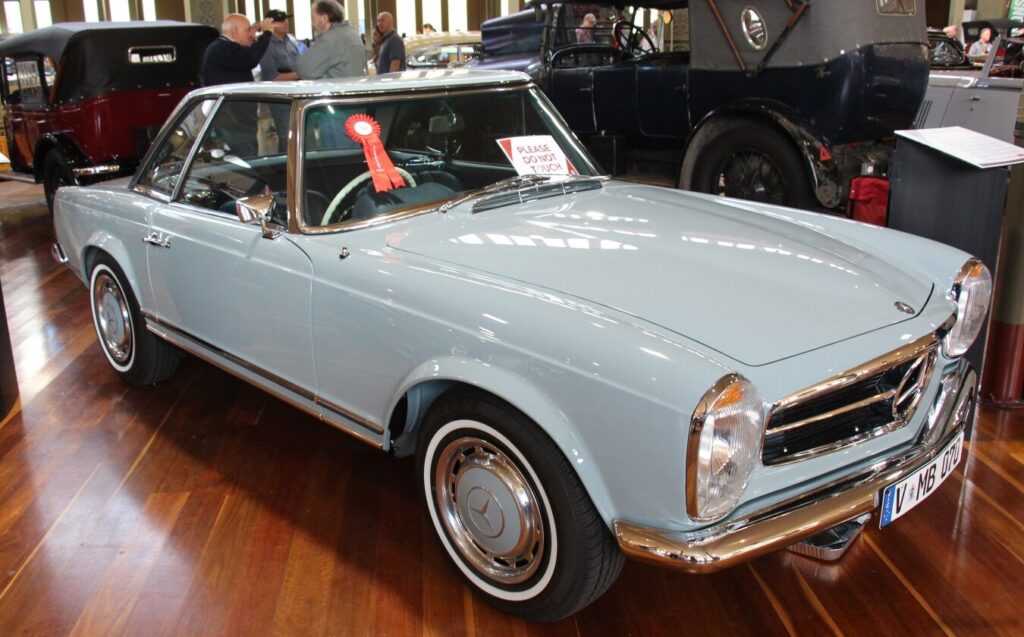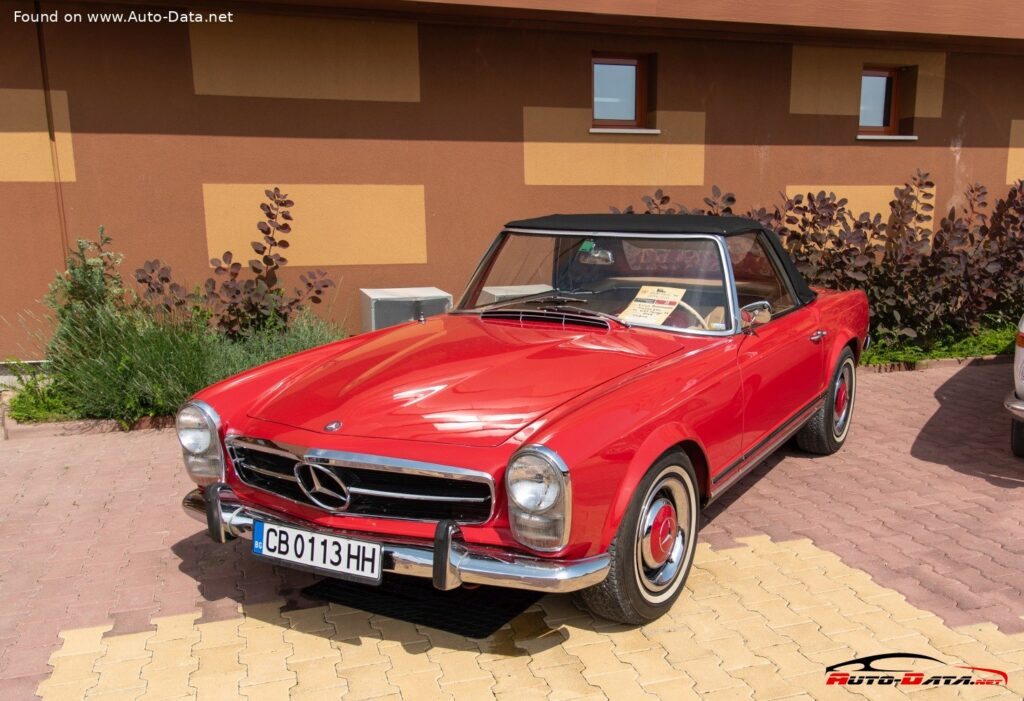
The Mercedes-Benz W113 SL, affectionately known as the “Pagoda SL,” represented a significant evolution in the iconic SL lineage. Produced between 1963 and 1971, it succeeded the 300 SL “Gullwing” and 190 SL. The 230 SL, introduced in July 1963 and continuing through January 1967, was the initial model of the W113 series. It occupied a middle ground in the SL lineup, offering a blend of performance, luxury, and relative affordability compared to the later 250 SL and 280 SL variants. The 230 SL was built on the 113 chassis and represented a departure from the overtly sporty image of its predecessor, aiming for a more refined grand touring experience.
The 230 SL: Positioning and Overview
The 230 SL was positioned as the entry-level model within the W113 range. While still a premium vehicle, it was more accessible than the later, more powerful SL iterations. It targeted buyers who desired a stylish, comfortable roadster with respectable performance, but didn’t necessarily require the ultimate in speed or exclusivity. The 230 SL’s combination of a six-cylinder engine, manual transmission (as discussed here), and elegant design made it a popular choice among those seeking a sophisticated open-air driving experience. It was a significant departure from the more race-focused 300SL, aiming for a broader appeal.
Powertrain & Engine Architecture
The heart of the 230 SL was the M127.981 engine, a 2.3-liter (2306 cc) inline-six cylinder gasoline engine. This engine featured a cast iron block and an aluminum cylinder head, a common configuration for Mercedes-Benz engines of the era. It produced 150 horsepower at 5500 rpm and 196 Nm (144.56 lb-ft) of torque at 4200 rpm. The engine employed multi-port manifold fuel injection, a relatively advanced system for the time, contributing to its smooth power delivery and improved fuel efficiency. The valvetrain consisted of a single overhead camshaft (SOHC) operating two valves per cylinder.
The 230 SL offered a four-speed manual transmission as standard. This transmission was fully synchronized and provided a direct and engaging driving experience. The gearbox was designed to handle the engine’s torque effectively and complement the car’s grand touring character. The engine was mounted longitudinally in the front of the vehicle, driving the rear wheels. This configuration provided a balanced weight distribution and contributed to the car’s handling characteristics.
Driving Characteristics
The 230 SL with the four-speed manual transmission offered a spirited, yet refined driving experience. Acceleration from 0 to 60 mph was achieved in approximately 10.5 seconds, and it could reach a top speed of 200 km/h (124.27 mph). While not a high-performance sports car by modern standards, the 230 SL provided ample power for comfortable cruising and enjoyable backroad driving. The manual transmission allowed for precise control over the engine’s power band, enabling drivers to fully exploit the engine’s torque.
Compared to the later 250 SL and 280 SL models, the 230 SL felt slightly less powerful, particularly at higher speeds. However, its lighter weight and responsive manual transmission made it feel nimble and engaging to drive. The gear ratios were well-chosen for both city driving and highway cruising, providing a balance between acceleration and fuel economy. The 230 SL’s suspension, featuring coil springs and double wishbones at the front, provided a comfortable ride while maintaining good handling characteristics.
Equipment & Trim Levels
The 230 SL was well-equipped for its time, offering a range of standard features. The interior typically featured leather upholstery, although vinyl options were also available. The dashboard was elegantly designed with wood trim and a comprehensive array of gauges, including a speedometer, tachometer, fuel gauge, and oil temperature gauge. Standard equipment also included power-assisted brakes, a heater, and whitewall tires.
Optional extras included a radio, power windows, and a hardtop in addition to the standard soft top. The hardtop, with its distinctive pagoda-shaped roof, became a defining feature of the W113 SL series. Buyers could also specify various interior color combinations and trim options to personalize their vehicle. The level of luxury and refinement offered by the 230 SL was a key selling point, appealing to buyers who valued comfort and style.
Chassis & Braking
The 230 SL utilized a robust chassis construction, featuring a monocoque body shell. The front suspension employed coil springs, double wishbones, and a transverse stabilizer bar, providing a comfortable ride and good handling. The rear suspension consisted of coil springs and a rigid axle. The braking system featured disc brakes at the front and drum brakes at the rear. While the drum brakes at the rear were less effective than disc brakes, they were adequate for the car’s weight and performance. The steering system was a cone worm with recirculation balls, providing precise and responsive steering feel.
The curb weight of the 230 SL was approximately 1295 kg (2854.99 lbs). This relatively low weight contributed to the car’s nimble handling and respectable acceleration. The car’s wheelbase measured 2400 mm (94.49 in), providing a stable and comfortable ride. The tires were typically 185 HR 14, offering a good balance between grip and ride comfort.
Market Reception & Comparison
The 230 SL was well-received by critics and buyers alike. It was praised for its elegant styling, comfortable ride, and refined driving experience. Automotive journalists noted the car’s smooth engine, responsive handling, and well-appointed interior. Compared to the later 250 SL and 280 SL models, the 230 SL offered a more affordable entry point into the SL ownership experience.
Fuel economy was reasonable for a vehicle of its era, averaging around 10.2 l/100 km (23.1 US mpg). Reliability was generally good, although the fuel injection system required periodic maintenance. The 230 SL’s combination of style, comfort, and reliability made it a popular choice among discerning buyers. It quickly established itself as a classic and remains highly sought after by collectors today.
Technical Specifications
| Brand | Mercedes-Benz |
| Model | SL |
| Generation | SL (W113) |
| Type | 230 SL (150 Hp) Manual 4-speed |
| Start of production | July, 1963 |
| End of production | January, 1967 |
| Fuel consumption (combined) | 10.2 l/100 km |
| Fuel consumption (US mpg) | 23.1 US mpg |
| Fuel consumption (UK mpg) | 27.7 UK mpg |
| Fuel Type | Petrol (Gasoline) |
| Acceleration 0 – 100 km/h | 11.1 sec |
| Acceleration 0 – 62 mph | 11.1 sec |
| Acceleration 0 – 60 mph | 10.5 sec |
| Maximum speed | 200 km/h (124.27 mph) |
| Power | 150 Hp @ 5500 rpm |
| Torque | 196 Nm @ 4200 rpm (144.56 lb.-ft. @ 4200 rpm) |
| Engine layout | Front, Longitudinal |
| Engine Model/Code | M 127.981 |
| Engine displacement | 2306 cm3 (140.72 cu. in.) |
| Number of cylinders | 6 |
| Engine configuration | Inline |
| Cylinder Bore | 82 mm (3.23 in.) |
| Piston Stroke | 72.8 mm (2.87 in.) |
| Compression ratio | 9.3:1 |
| Number of valves per cylinder | 2 |
| Fuel injection system | Multi-port manifold injection |
| Engine aspiration | Naturally aspirated |
| Engine oil capacity | 5.5 l (5.81 US qt | 4.84 UK qt) |
| Coolant capacity | 10.8 l (11.41 US qt | 9.5 UK qt) |
| Kerb Weight | 1295 kg (2854.99 lbs.) |
| Max. weight | 1650 kg (3637.63 lbs.) |
| Max load | 355 kg (782.64 lbs.) |
| Trunk (boot) space | 340 l (12.01 cu. ft.) |
| Fuel tank capacity | 65 l (17.17 US gal | 14.3 UK gal) |
| Length | 4285 mm (168.7 in.) |
| Width | 1760 mm (69.29 in.) |
| Height | 1320 mm (51.97 in.) |
| Wheelbase | 2400 mm (94.49 in.) |
Legacy
The 230 SL remains a highly desirable classic car, prized for its elegant styling, comfortable ride, and reliable powertrain. The M127 engine, while not the most powerful of its time, is known for its durability and relatively simple maintenance requirements. The four-speed manual transmission adds to the driving enjoyment, providing a more engaging experience than the automatic transmission option. Today, well-maintained 230 SLs command significant prices in the collector car market, reflecting their enduring appeal and historical significance. The W113 “Pagoda SL” series, and the 230 SL in particular, cemented Mercedes-Benz’s reputation for building stylish, luxurious, and reliable roadsters.