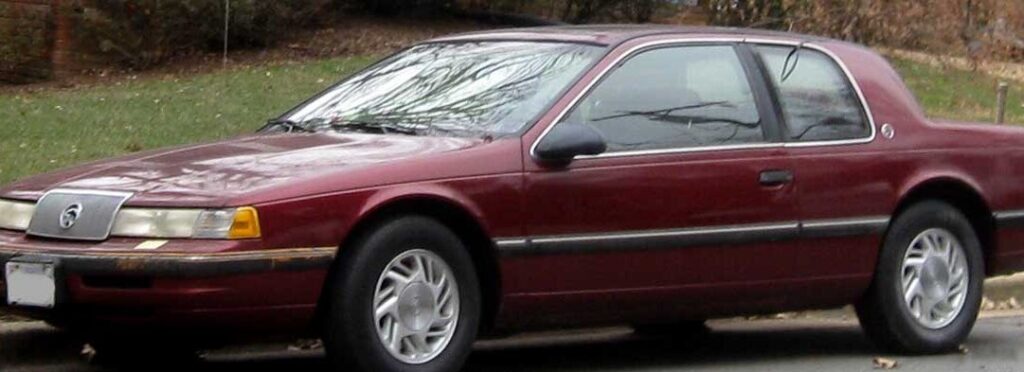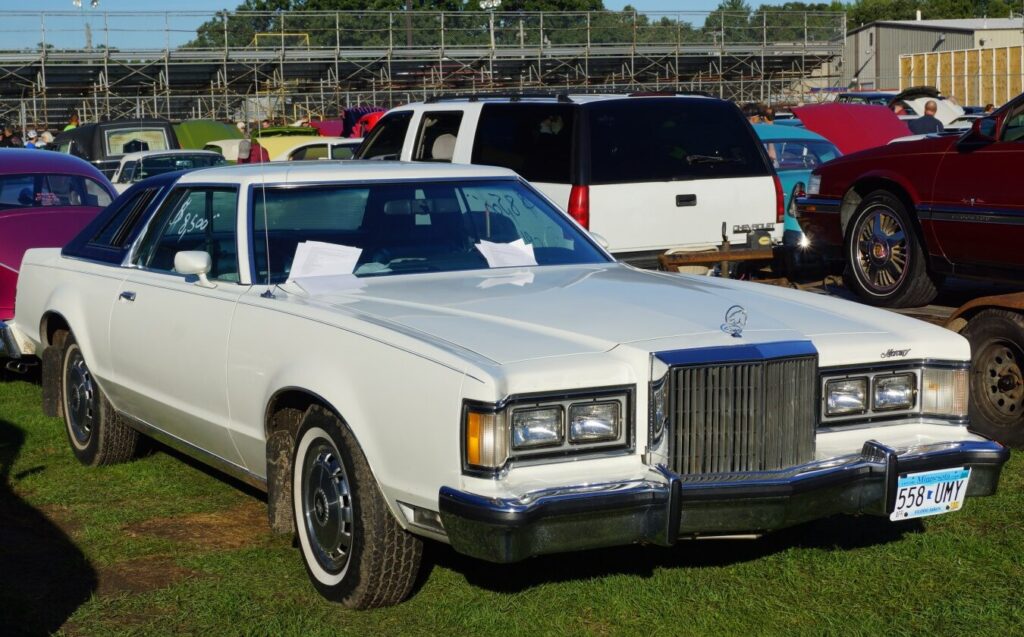
The Mercury Cougar XR7, powered by the 5.0-liter (302 cubic inch) V8 engine producing 134 horsepower, represented a specific iteration of the fourth-generation Cougar produced between 1977 and 1979. This model occupied a middle ground within the Cougar lineup, offering a blend of luxury and performance that appealed to buyers seeking a step up from the base models but not quite the full commitment of a higher-performance variant. The fourth-generation Cougar, based on the Ford Fox platform, marked a significant downsizing from previous generations, reflecting the automotive industry’s response to the energy crisis of the 1970s. The XR7 trim, historically associated with the Cougar, continued to denote a more upscale package with enhanced interior appointments and features.
Technical Specifications
| Brand | Mercury |
| Model | Cougar |
| Generation | Cougar IV (XR7) |
| Engine Type | 5.0 V8 (134 Hp) |
| Production Years | 1977-1979 |
| Powertrain Architecture | Internal Combustion Engine |
| Body Type | Coupe |
| Seats | 4 |
| Doors | 2 |
| Fuel Type | Petrol (Gasoline) |
| Power | 134 Hp |
| Engine Aspiration | Naturally Aspirated |
| Wheelbase | 2896 mm (114.02 in) |
| Drivetrain | Rear Wheel Drive |
Powertrain & Engine Architecture
The heart of the 1977-1979 Mercury Cougar XR7 was the Ford 302 cubic inch (5.0 liter) small-block V8 engine. This engine, designated as the 302, was a staple of Ford’s lineup for decades. The 134 horsepower output for this specific application was achieved through a two-barrel carburetor, relatively conservative compression ratio (around 8.5:1), and a mild camshaft profile. The engine utilized a cast iron block and cylinder heads, and featured a hydraulic lifter valvetrain. While not a high-performance engine by contemporary standards, it provided adequate power for comfortable cruising and occasional spirited driving. The engine was paired with a three-speed automatic transmission (typically the Ford C6), which was chosen for its durability and smooth operation. This transmission was a conventional three-speed unit, lacking the overdrive gear found in some later models. The rear axle ratio varied depending on the specific vehicle configuration, but generally fell in the range of 2.47:1 to 3.08:1, balancing acceleration and fuel economy.
Driving Characteristics
The Cougar XR7 with the 5.0L V8 and automatic transmission offered a comfortable and relatively refined driving experience. Acceleration was adequate, with estimated 0-60 mph times in the 9-10 second range. However, it was noticeably slower than the Cougar models equipped with the optional 351 Windsor V8. The automatic transmission, while smooth, did contribute to some power loss compared to a manual transmission. The gear ratios were optimized for cruising, providing relaxed highway performance. The power delivery was linear, with a broad torque curve that made it easy to drive in everyday traffic. Handling was typical for a rear-wheel-drive coupe of the era – competent but not particularly sporty. The relatively long wheelbase and soft suspension tuning prioritized ride comfort over sharp handling. Steering was power-assisted, making it light and easy to maneuver, but lacking in road feel.
Equipment & Trim Levels
The XR7 trim level signified a higher level of luxury and standard equipment. Standard features typically included color-keyed carpeting, cloth upholstery (often with a distinctive XR7 pattern), a woodgrain-trimmed dashboard, and a full instrument panel with gauges for voltage, oil pressure, and engine temperature. Power steering and power brakes were also standard. Optional extras included air conditioning, a tilt steering wheel, cruise control, an AM/FM stereo radio, and upgraded upholstery materials such as vinyl or leather. The XR7 also featured distinctive exterior trim, including brightwork around the windows and a special XR7 badge. Interior color schemes were varied, offering buyers a choice of several different combinations to personalize their vehicle.
Chassis & Braking
The fourth-generation Cougar utilized the Ford Fox platform, a unibody construction that provided a good balance of strength and weight. The front suspension consisted of independent coil springs and MacPherson struts, while the rear suspension employed a solid axle with leaf springs. This suspension setup was designed for ride comfort and durability. Brakes were power-assisted disc brakes in the front and drum brakes in the rear. The drum brakes in the rear were a cost-saving measure, and were less effective than disc brakes, particularly under heavy braking. Stabilizer bars were fitted to both the front and rear suspension to reduce body roll during cornering. Tire size was typically P205/75R15, providing a good compromise between ride comfort and handling.
Market Reception & Comparison
The 1977-1979 Mercury Cougar XR7 with the 5.0L V8 and automatic transmission was generally well-received by automotive critics. It was praised for its comfortable ride, spacious interior, and attractive styling. However, the 134 horsepower engine was often criticized for being underpowered, especially compared to the optional 351 Windsor V8. Fuel economy was also a concern, averaging around 15-18 mpg in mixed driving. Compared to the base Cougar models, the XR7 offered a significant upgrade in terms of luxury and features, but at a higher price point. Compared to the 351 Windsor-equipped models, the 5.0L XR7 offered a more affordable entry point into the Cougar lineup, but with a noticeable compromise in performance. The 5.0L/automatic combination appealed to buyers who prioritized comfort and convenience over outright speed.
Legacy
The 1977-1979 Mercury Cougar XR7 with the 5.0L V8 and automatic transmission remains a popular classic car among collectors and enthusiasts. The 302 Ford engine is known for its durability and ease of maintenance, making it a relatively reliable powertrain. Parts availability is generally good, as many components are shared with other Ford vehicles of the era. However, like all cars of this age, rust can be a significant issue, particularly in areas with harsh winters. The automatic transmission is generally reliable, but may require occasional servicing. Today, these Cougars are often found in well-preserved condition, and are appreciated for their classic styling and comfortable driving experience. The value of these vehicles has been steadily increasing in recent years, reflecting their growing popularity among collectors. The 5.0L/automatic combination, while not the most desirable configuration, offers a good balance of affordability and usability, making it an attractive option for those looking to enter the classic car market.