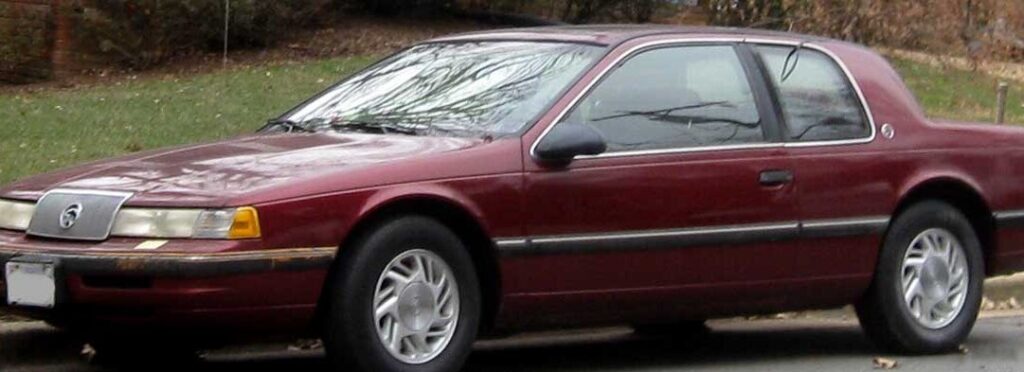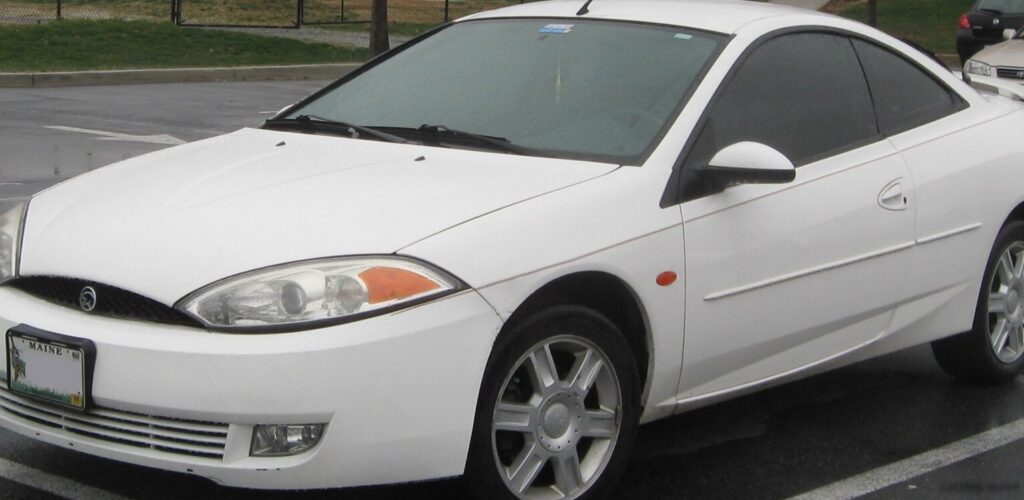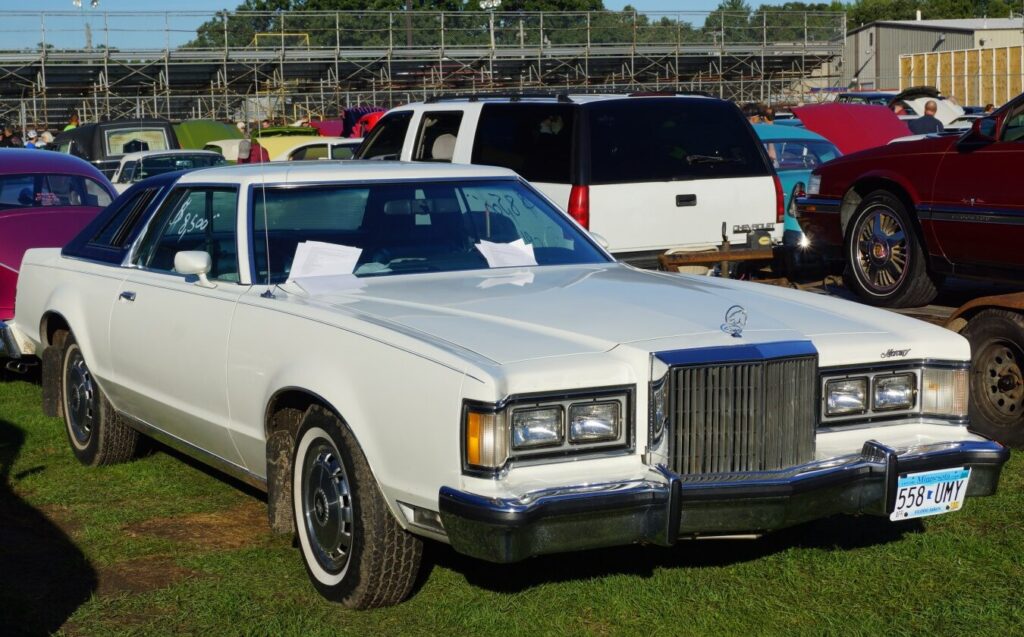
The Mercury Cougar XR7 with the 5.8-liter V8 engine, produced between 1977 and 1979, represents a specific iteration of the fourth-generation Cougar (1974-1979). This model occupied a middle-ground position within the Cougar lineup, offering a step up in performance from the base inline-six engines but remaining below the more potent 351 Windsor V8 options. The XR7 designation denoted a more luxurious trim package, focusing on comfort and convenience features. This generation of Cougar, based on the Ford Fox platform, aimed to blend the personal luxury car segment with a degree of sporty handling, though the 5.8L version prioritized comfortable cruising over outright performance.
Technical Specifications
| Brand | Mercury |
| Model | Cougar |
| Generation | Cougar IV (XR7) |
| Engine Type | 5.8 V8 (149 Hp) |
| Production Years | 1977-1979 |
| Powertrain Architecture | Internal Combustion Engine |
| Body Type | Coupe |
| Seats | 4 |
| Doors | 2 |
| Fuel Type | Petrol (Gasoline) |
| Power | 149 Hp |
| Engine Aspiration | Naturally Aspirated |
| Wheelbase | 2896 mm (114.02 in) |
| Drivetrain | Rear Wheel Drive |
Powertrain & Engine Architecture
The 1977-1979 Mercury Cougar XR7 equipped with the 5.8-liter (351 cubic inch) V8 utilized the Ford 351 Windsor engine. This engine, a member of the Ford small-block V8 family, was known for its durability and relatively simple design. The 5.8L engine in this application featured a two-barrel carburetor, contributing to its 149 horsepower output. While not a high-performance configuration, it provided adequate power for comfortable highway cruising and acceleration. The engine employed a cast iron block and cylinder heads, with hydraulic lifters operating a pushrod valvetrain. The automatic transmission paired with this engine was typically a Ford C6 three-speed automatic. This transmission was a robust unit, known for its durability, but lacked the efficiency of more modern transmissions. The C6 featured a torque converter, providing smooth engagement and multiplication of engine torque. The rear axle ratio varied depending on the specific vehicle configuration, but generally fell in the range of 2.75:1 to 3.00:1, prioritizing fuel economy and relaxed cruising.
Driving Characteristics
The Cougar XR7 with the 5.8L V8 and C6 automatic offered a distinctly American driving experience of the late 1970s. Acceleration was adequate, with a 0-60 mph time estimated around 10-11 seconds. However, the focus was less on outright speed and more on providing a comfortable and refined ride. The automatic transmission’s three-speed configuration meant that the engine operated at relatively high RPMs during acceleration, contributing to a noticeable, though not intrusive, engine note. The relatively low horsepower output, compared to other V8 options available at the time, meant that passing maneuvers required planning. The steering was power-assisted, providing light effort, but lacked the precision of more modern steering systems. The suspension, tuned for comfort, absorbed bumps and road imperfections well, but resulted in noticeable body roll during cornering. Compared to the base inline-six engine, the 5.8L V8 provided a significant improvement in responsiveness and overall driving enjoyment. However, compared to the higher-output 351 Windsor variants, the 149 hp version felt noticeably less powerful.
Equipment & Trim Levels
The XR7 trim package elevated the Cougar above the base models, offering a more luxurious interior and a greater level of standard equipment. Standard features typically included color-keyed carpeting, cloth upholstery (often with a distinctive XR7 pattern), a woodgrain-trimmed dashboard, and a center console. Power steering and power brakes were also standard. Optional extras included air conditioning, a tilt steering wheel, cruise control, an AM/FM stereo with 8-track player, and upgraded upholstery materials such as leather. The XR7 also featured distinctive exterior trim, including brightwork around the windows and a unique grille design. The interior layout was typical of the era, with a focus on spaciousness and comfort. The dashboard featured a prominent instrument cluster with analog gauges for speed, fuel level, temperature, and amperage. The Cougar XR7 aimed to provide a comfortable and well-equipped environment for both driver and passengers.
Chassis & Braking
The fourth-generation Cougar utilized a unibody construction, providing a good balance of strength and weight. The front suspension consisted of independent upper and lower control arms with coil springs and shock absorbers. The rear suspension employed a solid axle with leaf springs and shock absorbers. Brakes were power-assisted disc brakes in the front and drum brakes in the rear. The drum brakes in the rear were a cost-saving measure, and offered less stopping power than disc brakes. Stabilizer bars were included at both the front and rear, helping to reduce body roll during cornering. The Cougar’s chassis was designed to provide a comfortable ride, prioritizing smoothness over sporty handling. The relatively heavy weight of the vehicle, combined with the leaf spring rear suspension, contributed to a somewhat floaty ride quality. Tire size was typically P205/75R15, providing a good balance of ride comfort and handling.
Market Reception & Comparison
The 1977-1979 Mercury Cougar XR7 with the 5.8L V8 received mixed reviews from automotive critics. While the engine provided adequate power for most drivers, it was often criticized for its relatively low output compared to other V8 options available at the time. The automatic transmission was praised for its smoothness and durability, but criticized for its lack of efficiency. The XR7 trim package was generally well-received, with critics praising the comfortable interior and generous standard equipment. Fuel economy was a concern, as with most American cars of the era, averaging around 14-16 mpg in city driving and 18-20 mpg on the highway. Compared to the base inline-six Cougar, the 5.8L V8 offered a significant improvement in performance, but at the cost of fuel economy. Compared to the higher-output 351 Windsor V8, the 149 hp version was less powerful but also less expensive to purchase and maintain.
Legacy
The 1977-1979 Mercury Cougar XR7 with the 5.8L V8 has become a popular classic car among collectors and enthusiasts. The 351 Windsor engine is known for its reliability and ease of maintenance, making it a relatively affordable classic to own. Parts availability is generally good, as many components are shared with other Ford vehicles of the era. However, like all cars of this age, rust can be a significant issue, particularly in areas with harsh winters. The Cougar XR7 represents a snapshot of American automotive design and engineering from the late 1970s, offering a comfortable and stylish driving experience. While not a high-performance machine, it remains a popular choice for those seeking a classic American coupe with a touch of luxury.