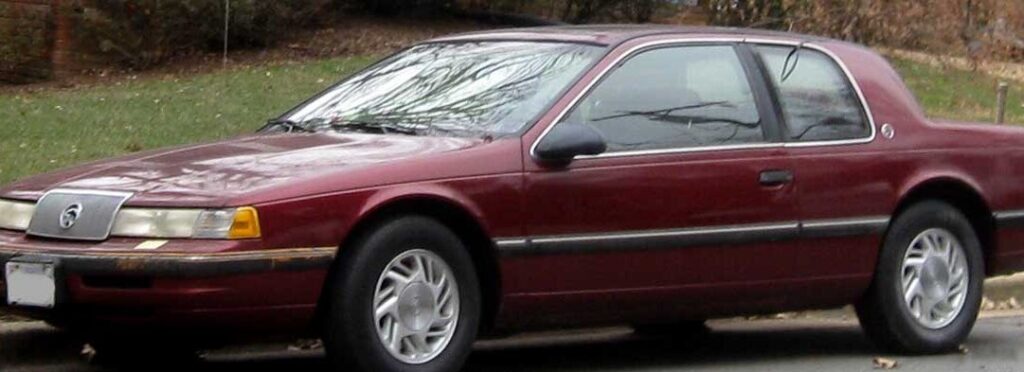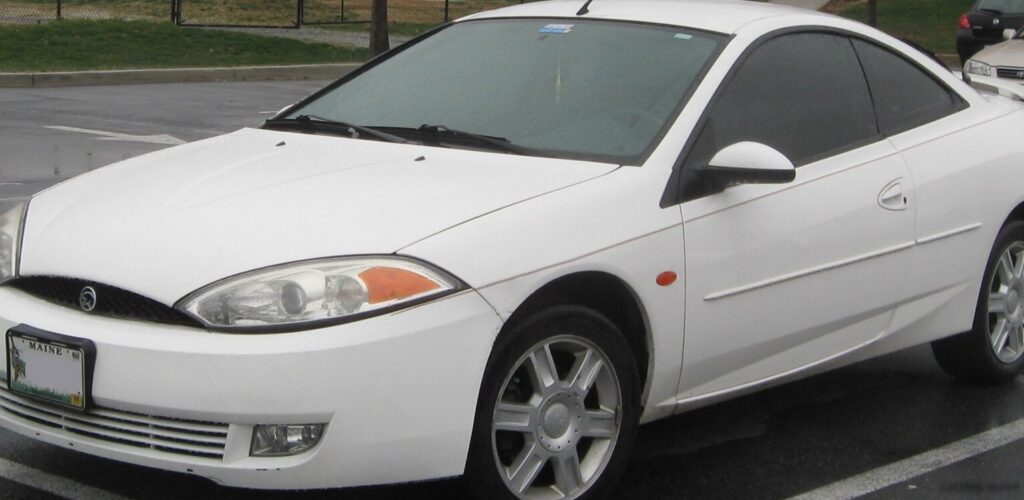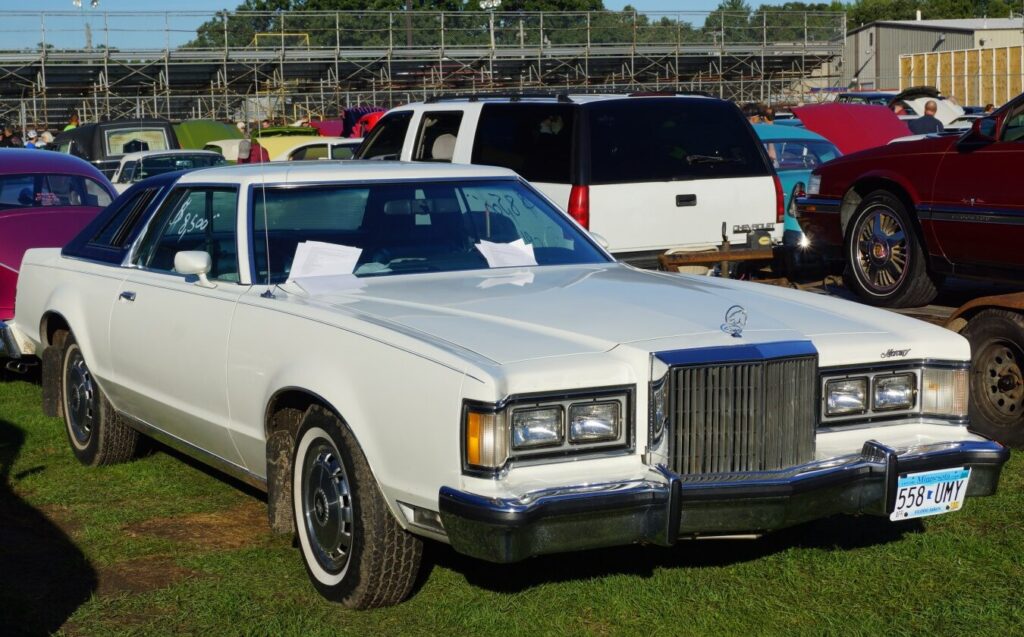
The Mercury Cougar XR7, powered by the 6.6-liter (400 cubic inch) V8 engine producing 173 horsepower, represented a specific iteration of the fourth-generation Cougar produced between 1977 and 1979. This model occupied a middle ground within the Cougar lineup, offering a blend of luxury and performance, though increasingly constrained by tightening emissions regulations of the era. It was positioned above the base Cougar models with smaller engines, but below the higher-performance versions that might have featured slightly tweaked engine calibrations or optional performance packages. The XR7 designation signified a more upscale trim level, emphasizing comfort and convenience features.
Technical Specifications
| Brand | Mercury |
| Model | Cougar |
| Generation | Cougar IV (XR7) |
| Engine Type | 6.6 V8 (173 Hp) |
| Production Years | 1977-1979 |
| Powertrain Architecture | Internal Combustion Engine |
| Body Type | Coupe |
| Seats | 4 |
| Doors | 2 |
| Fuel Type | Petrol (Gasoline) |
| Power | 173 Hp |
| Engine Aspiration | Naturally Aspirated |
| Wheelbase | 2896 mm (114.02 in) |
| Drivetrain | Rear Wheel Drive |
Introduction
The fourth-generation Mercury Cougar (1974-1979) marked a significant shift for the model. Downsized from its previous, larger platform, it adopted the Ford Fox platform, shared with the Mustang II and Granada. The XR7 trim, reintroduced for 1977, aimed to recapture some of the original Cougar’s luxury image. The 173 horsepower 6.6-liter V8 was a mainstay during these years, offering a reasonable level of performance while attempting to meet increasingly stringent emissions standards. This generation Cougar aimed to appeal to buyers seeking a comfortable, stylish coupe, but the era of large-displacement, high-horsepower American cars was rapidly coming to an end.
Powertrain & Engine Architecture
The heart of the Cougar XR7 was the 400 cubic inch (6.6 liter) Ford Windsor V8 engine. This engine, designated as the 351W (though often referred to as a 400 due to its displacement), was a robust and relatively simple design. It featured a cast iron block and cylinder heads, with a two-barrel carburetor managing fuel delivery. The 173 horsepower output was a result of lowered compression ratios and restrictive exhaust systems mandated by emissions regulations. The engine utilized a hydraulic lifter valvetrain, contributing to its reliability and reduced maintenance requirements. The engine was mated to a three-speed automatic transmission (Ford C6), a common and durable unit for the time. This transmission was selected for its smoothness and ease of use, aligning with the XR7’s luxury-oriented positioning. While a four-speed manual transmission was available on some Cougar models, it was rarely paired with the 400 V8, and even more rarely seen on the XR7 trim.
Driving Characteristics
The 173 horsepower 6.6-liter V8, coupled with the three-speed automatic, provided adequate, but not exhilarating, performance. Acceleration was respectable for the era, with 0-60 mph times estimated around 9-10 seconds. The automatic transmission’s gear ratios were geared towards cruising comfort rather than outright acceleration. The Cougar XR7 wasn’t designed to be a sports car; instead, it prioritized a smooth and relaxed driving experience. Compared to the base Cougar with the smaller inline-six engine, the V8 offered a significant improvement in power and responsiveness. However, it lacked the punch of earlier Cougars or those equipped with higher-output V8 options available in other Ford products. The rear-wheel-drive configuration provided a balanced feel, but the relatively soft suspension tuning emphasized ride comfort over handling precision.
Equipment & Trim Levels
The XR7 trim level distinguished itself through a number of standard features. Interior appointments included plush carpeting, upgraded upholstery (typically cloth or vinyl), and woodgrain trim accents on the dashboard and door panels. Power steering and power brakes were standard. The XR7 also featured a more comprehensive instrument cluster, often including a tachometer and additional gauges. Optional extras included air conditioning, a premium sound system, power windows and locks, and a sunroof. The exterior of the XR7 was typically adorned with brightwork, including chrome bumpers and trim, and often featured distinctive wheel covers. The overall aesthetic aimed for a sophisticated and luxurious appearance.
Chassis & Braking
The fourth-generation Cougar utilized a unibody construction, contributing to its relatively lightweight design. The front suspension consisted of independent upper and lower control arms with coil springs, while the rear suspension employed a solid axle with leaf springs. This setup prioritized ride comfort over handling sharpness. Braking duties were handled by power-assisted disc brakes in the front and drum brakes in the rear. The drum brakes on the rear were a cost-saving measure, and while adequate for normal driving, they lacked the stopping power of a four-wheel disc setup. Stabilizer bars were included at both the front and rear, helping to reduce body roll during cornering, though the overall handling characteristics remained biased towards comfort.
Market Reception & Comparison
The 1977-1979 Mercury Cougar XR7 with the 6.6-liter V8 received mixed reviews. Critics acknowledged its comfortable ride and stylish interior, but often lamented its lack of performance compared to earlier Cougars. Fuel economy was also a concern, particularly as gasoline prices continued to rise. Compared to the base Cougar models with smaller engines, the XR7 offered a significant upgrade in power and refinement, but at a higher price point. Against competitors like the Chevrolet Monte Carlo and Dodge Cordoba, the Cougar XR7 offered a similar blend of luxury and performance, but often lacked the brand cachet of some of its rivals. Reliability was generally good, though the emissions control systems of the era were prone to issues and required regular maintenance.
Legacy
The 1977-1979 Mercury Cougar XR7 with the 6.6-liter V8 represents a transitional period in American automotive history. It was one of the last Cougars to offer a large-displacement V8 engine before the shift towards smaller, more fuel-efficient powerplants. Today, these cars are sought after by collectors and enthusiasts who appreciate their classic styling and relatively simple mechanical design. The 400 Windsor V8 is known for its durability and ease of maintenance, making these Cougars relatively affordable to own and operate. While not a high-performance machine by modern standards, the Cougar XR7 offers a glimpse into a bygone era of American automotive luxury and style. Good examples are becoming increasingly rare, and well-maintained XR7s command a growing premium in the used car market.