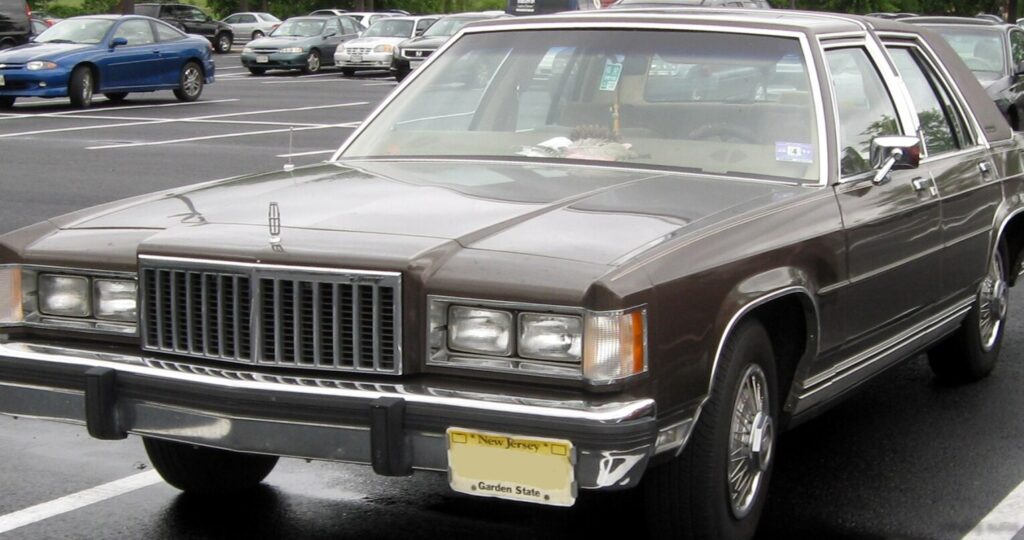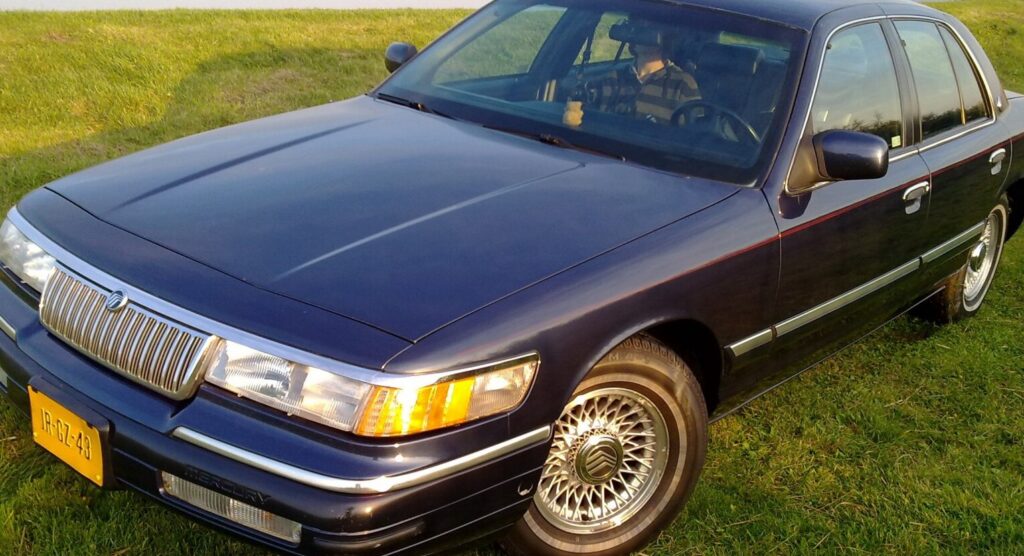
The Mercury Grand Marquis II, specifically the 4.6L V8 variant producing 242 horsepower, was a full-size, rear-wheel-drive sedan manufactured by Mercury from 2003 to 2011. Representing the second generation of the Grand Marquis, this model continued the tradition of providing a comfortable, spacious, and traditionally American driving experience. It occupied a unique position in the market, offering a blend of size, power, and affordability that appealed to a specific segment of buyers, particularly those seeking a large sedan without the luxury price tag of some competitors. The Grand Marquis II was built on the Panther platform, shared with the Ford Crown Victoria and Lincoln Town Car, and remained a popular choice for fleet vehicles and private buyers alike.
Technical Specifications
| Brand | Mercury |
| Model | Grand Marquis |
| Generation | Grand Marquis II |
| Type (Engine) | 4.6L i V8 (242 Hp) |
| Start of production | 2003 |
| End of production | 2011 |
| Powertrain Architecture | Internal Combustion engine |
| Body type | Sedan |
| Seats | 5 |
| Doors | 4 |
| Fuel consumption (urban) | 13.1 l/100 km (18 US mpg, 21.6 UK mpg) |
| Fuel consumption (extra urban) | 9.4 l/100 km (25 US mpg, 30.1 UK mpg) |
| Fuel Type | Petrol (Gasoline) |
| Maximum speed | 177 km/h (109.98 mph) |
| Weight-to-power ratio | 7.8 kg/Hp (128 Hp/tonne) |
| Weight-to-torque ratio | 5 kg/Nm (200.5 Nm/tonne) |
| Power | 242 Hp @ 4750 rpm |
| Power per litre | 52.6 Hp/l |
| Torque | 379 Nm @ 4000 rpm (279.54 lb.-ft. @ 4000 rpm) |
| Engine layout | Front, Longitudinal |
| Engine displacement | 4601 cm3 (280.77 cu. in.) |
| Number of cylinders | 8 |
| Engine configuration | V-engine |
| Cylinder Bore | 90.2 mm (3.55 in.) |
| Piston Stroke | 90 mm (3.54 in.) |
| Compression ratio | 9.4:1 |
| Number of valves per cylinder | 2 |
| Fuel injection system | Multi-port manifold injection |
| Engine aspiration | Naturally aspirated |
| Engine oil capacity | 5.7 l (6.02 US qt | 5.02 UK qt) |
| Coolant capacity | 17.6 l (18.6 US qt | 15.49 UK qt) |
| Kerb Weight | 1890 kg (4166.74 lbs.) |
| Trunk (boot) space | 585 l (20.66 cu. ft.) |
| Fuel tank capacity | 72 l (19.02 US gal | 15.84 UK gal) |
| Length | 5380 mm (211.81 in.) |
| Width | 1980 mm (77.95 in.) |
| Height | 1440 mm (56.69 in.) |
| Wheelbase | 2910 mm (114.57 in.) |
| Front track | 1600 mm (62.99 in.) |
| Rear track | 1610 mm (63.39 in.) |
| Drivetrain Architecture | Rear wheel drive |
| Number of gears | 4 |
| Gearbox type | Automatic transmission |
| Front suspension | Double wishbone |
| Rear suspension | Coil spring |
| Front brakes | Ventilated discs |
| Rear brakes | Disc |
| Assisting systems | ABS (Anti-lock braking system), Hydraulic Power Steering |
| Tires size | 225/60 R16 |
Powertrain & Engine Architecture
The heart of the Grand Marquis II 4.6L was the Modular 4.6-liter V8 engine, specifically the version designated for rear-wheel-drive applications. This engine, part of Ford’s Modular engine family, featured a cast-iron block with aluminum cylinder heads. It utilized a single overhead camshaft (SOHC) design with two valves per cylinder. Fuel delivery was managed by a multi-port fuel injection system, providing precise fuel metering for optimal performance and efficiency. The 4.6L engine was known for its smooth power delivery and relatively simple design, contributing to its overall reliability. The engine was mated to a four-speed automatic transmission, a common choice for this class of vehicle, prioritizing comfort and ease of use over outright performance. This transmission was designed to handle the engine’s torque output and provide smooth shifts during normal driving conditions.
Driving Characteristics
The 242 horsepower and 279 lb-ft of torque produced by the 4.6L V8, combined with the four-speed automatic transmission, resulted in a driving experience focused on comfortable cruising and relaxed acceleration. While not a sports sedan, the Grand Marquis II offered ample power for merging onto highways and passing other vehicles. The automatic transmission’s gear ratios were tuned for smooth transitions and fuel efficiency, rather than aggressive shifts. Compared to the Police Interceptor versions of the Crown Victoria (which featured more aggressive gearing and higher output engines), the Grand Marquis II’s setup prioritized a more refined and comfortable ride. The rear-wheel-drive configuration provided a balanced feel, although it wasn’t as nimble as front-wheel-drive alternatives.
Equipment & Trim Levels
The Grand Marquis II 4.6L typically came standard with a respectable array of features, including air conditioning, power windows and locks, a CD player, and cloth upholstery. Higher trim levels, such as the LS, added features like leather upholstery, upgraded audio systems, and alloy wheels. Optional extras included a sunroof, heated seats, and a premium sound system. The interior design was generally conservative and focused on providing a spacious and comfortable environment for passengers. The dashboard layout was straightforward and easy to use, with clearly labeled controls.
Chassis & Braking
The Grand Marquis II utilized a traditional body-on-frame construction, contributing to its robust feel and durability. The front suspension featured an independent double-wishbone design, while the rear suspension employed a solid axle with coil springs. This setup provided a comfortable ride, although it wasn’t as sophisticated as independent rear suspension systems found in some competitors. Braking duties were handled by ventilated disc brakes at the front and solid disc brakes at the rear. Anti-lock braking system (ABS) was standard, enhancing safety and control during emergency braking situations. Power-assisted steering provided light and easy steering effort.
Market Reception & Comparison
The Grand Marquis II 4.6L was generally well-received by consumers seeking a large, comfortable, and affordable sedan. Critics praised its spacious interior, smooth ride, and powerful V8 engine. However, it was also criticized for its somewhat dated design and relatively low fuel economy compared to more modern vehicles. Compared to the Ford Crown Victoria, the Grand Marquis II offered a slightly more upscale interior and exterior styling. Against the Lincoln Town Car, it represented a more affordable option with a similar level of comfort and space. Fuel economy averaged around 18 mpg city and 25 mpg highway, which was typical for a full-size, rear-wheel-drive sedan of that era.
Legacy
The Mercury Grand Marquis II 4.6L has developed a reputation for being a reliable and durable vehicle, particularly when properly maintained. The 4.6L V8 engine is known for its longevity, and the four-speed automatic transmission is generally considered to be robust. Today, the Grand Marquis II remains a popular choice among used car buyers seeking a large, comfortable, and affordable sedan. Parts availability is generally good, and maintenance costs are relatively low. While it may not offer the latest technology or fuel efficiency, the Grand Marquis II continues to provide a classic American driving experience.