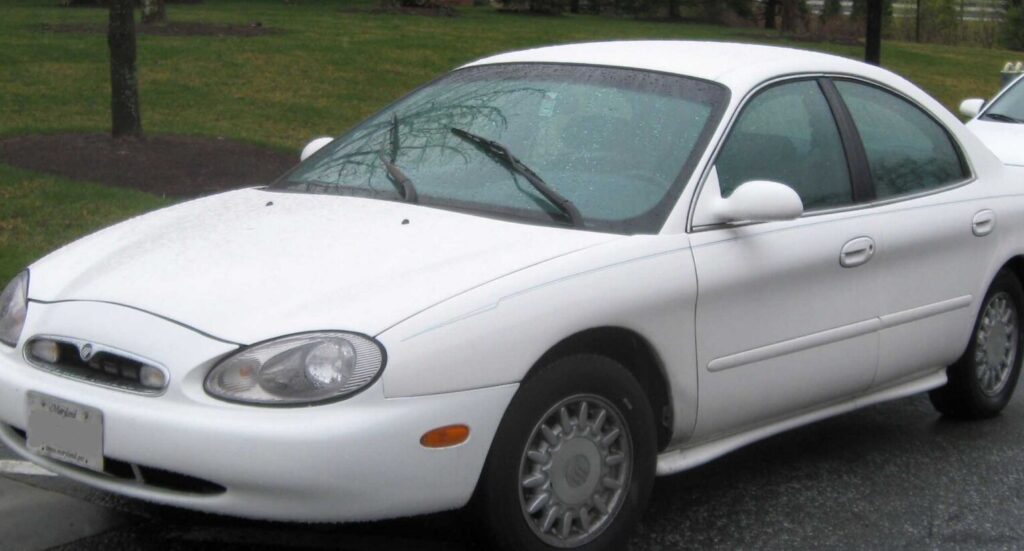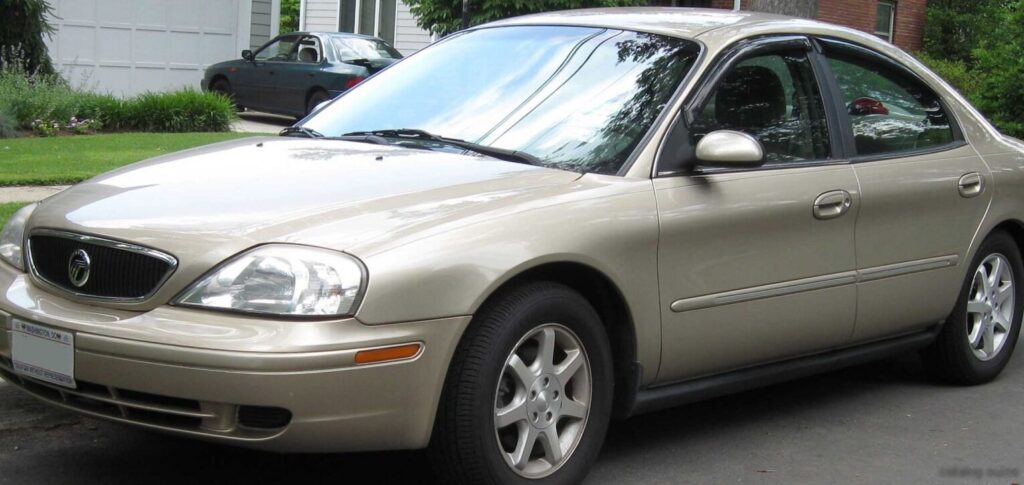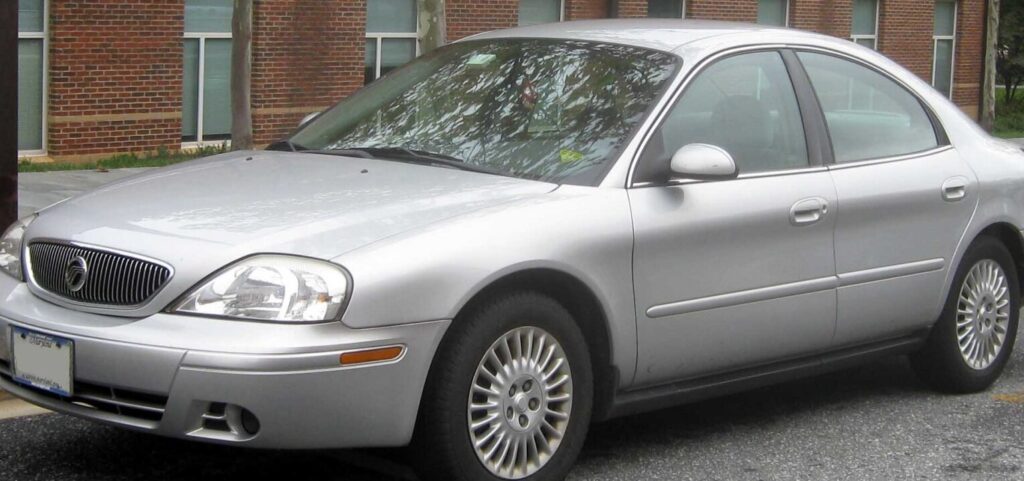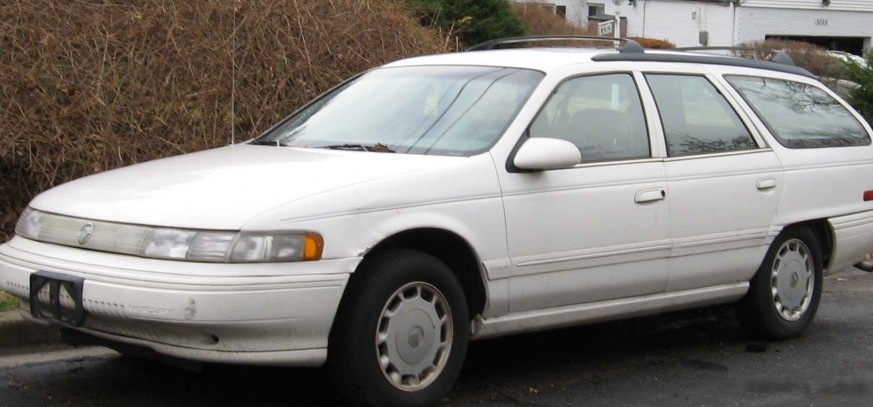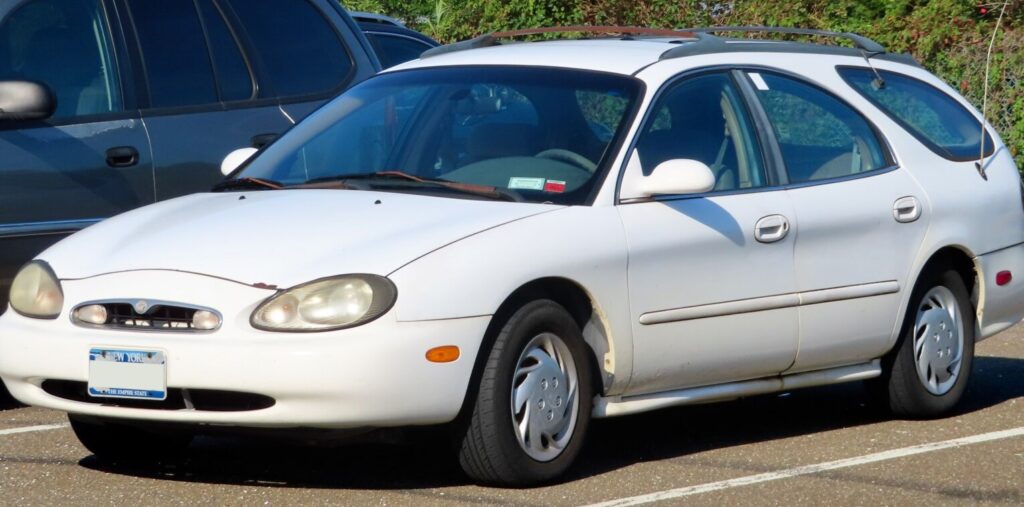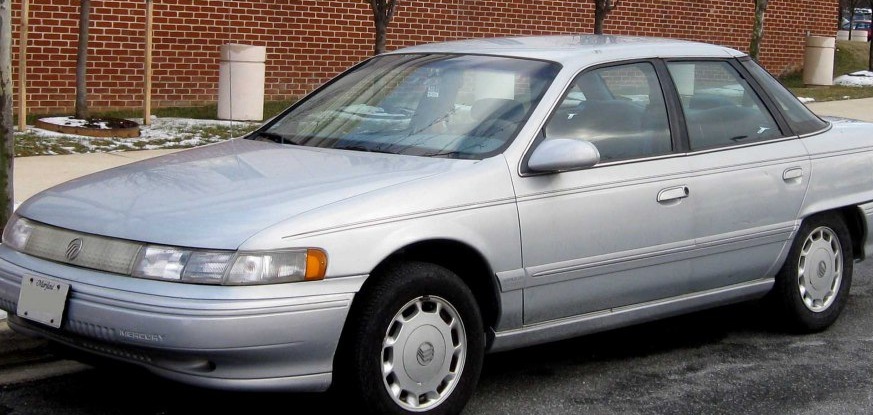
The Mercury Sable II, equipped with the 3.8-liter V6 engine producing 141 horsepower, represented a significant iteration of Ford’s mid-size sedan offering. Produced from 1989 through 1995, this variant occupied a middle ground within the Sable lineup, offering a balance between affordability and performance. It was part of the broader Ford FN platform, shared with the Ford Taurus and Lincoln Continental, and aimed to provide a comfortable and spacious family vehicle. This particular engine and four-speed automatic transmission combination was a popular choice for buyers prioritizing ease of driving over outright sportiness.
Technical Specifications
| Brand | Mercury |
| Model | Sable |
| Generation | Sable II |
| Type (Engine) | 3.8 V6 (141 Hp) |
| Start of production | 1989 |
| End of production | 1995 |
| Powertrain Architecture | Internal Combustion engine |
| Body type | Sedan |
| Seats | 5 |
| Doors | 4 |
| Fuel consumption (combined) | 10.7 l/100 km (22 US mpg, 26.4 UK mpg, 9.3 km/l) |
| Fuel Type | Petrol (Gasoline) |
| Acceleration 0 – 100 km/h | 9 sec |
| Acceleration 0 – 62 mph | 9 sec |
| Acceleration 0 – 60 mph | 8.6 sec |
| Maximum speed | 185 km/h (114.95 mph) |
| Weight-to-power ratio | 10.1 kg/Hp, 98.6 Hp/tonne |
| Weight-to-torque ratio | 4.9 kg/Nm, 204.2 Nm/tonne |
| Power | 141 Hp @ 3800 rpm |
| Power per litre | 37.1 Hp/l |
| Torque | 292 Nm @ 2200 rpm (215.37 lb.-ft. @ 2200 rpm) |
| Engine layout | Front, Transverse |
| Engine displacement | 3797 cm3 (231.71 cu. in.) |
| Number of cylinders | 6 |
| Engine configuration | V-engine |
| Cylinder Bore | 96.8 mm (3.81 in.) |
| Piston Stroke | 86 mm (3.39 in.) |
| Compression ratio | 9:1 |
| Number of valves per cylinder | 2 |
| Fuel injection system | Multi-port manifold injection |
| Engine aspiration | Naturally aspirated engine |
| Engine oil capacity | 4.3 l (4.54 US qt | 3.78 UK qt) |
| Coolant | 11.5 l (12.15 US qt | 10.12 UK qt) |
| Kerb Weight | 1430 kg (3152.61 lbs.) |
| Trunk (boot) space – minimum | 481 l (16.99 cu. ft.) |
| Fuel tank capacity | 61 l (16.11 US gal | 13.42 UK gal) |
| Length | 4882 mm (192.2 in.) |
| Width | 1810 mm (71.26 in.) |
| Height | 1382 mm (54.41 in.) |
| Wheelbase | 2693 mm (106.02 in.) |
| Front track | 1565 mm (61.61 in.) |
| Rear (Back) track | 1537 mm (60.51 in.) |
| Drivetrain Architecture | The Internal combustion engine (ICE) drives the front wheels of the vehicle. |
| Drive wheel | Front wheel drive |
| Number of gears and type of gearbox | 4 gears, automatic transmission |
| Front suspension | Spring Strut |
| Rear suspension | Coil spring |
| Front brakes | Ventilated discs |
| Rear brakes | Disc |
| Assisting systems | ABS (Anti-lock braking system) |
| Steering type | Steering rack and pinion |
| Power steering | Hydraulic Steering |
| Tires size | 205/65 R15 |
Powertrain & Engine Architecture
The heart of this Sable variant was the Ford 3.8-liter (231 cubic inch) V6 engine, internally designated as the Essex engine family. This engine, in its 141 horsepower guise, utilized a 9:1 compression ratio and multi-port fuel injection. The engine’s design emphasized smooth operation and adequate torque for everyday driving. The valvetrain employed two valves per cylinder, a common configuration for engines of this era focused on reliability and cost-effectiveness. Paired with this engine was a four-speed automatic transmission, a popular choice for Sable buyers seeking convenience. This transmission was designed for smooth shifts and predictable performance, prioritizing comfort over aggressive gear changes. The transmission’s gear ratios were tuned to maximize fuel efficiency and provide acceptable acceleration.
Driving Characteristics
The 141 hp Sable II with the automatic transmission delivered a comfortable, if not particularly exhilarating, driving experience. Acceleration from 0-60 mph took approximately 8.6 seconds, which was competitive for its class but noticeably slower than models equipped with the optional V6 or manual transmission. The automatic transmission’s shift points were calibrated for smooth transitions, but could sometimes feel hesitant during quick acceleration maneuvers. The engine provided sufficient torque for merging onto highways and passing other vehicles, but required careful planning. Overall, the driving experience was geared towards relaxed cruising and everyday commuting.
Equipment & Trim Levels
The Sable II 3.8 V6 Automatic typically came standard with features such as air conditioning, power steering, power brakes, and a basic AM/FM radio. Interior upholstery was typically cloth, with options for upgraded materials available. Higher trim levels, such as the LX, added features like power windows, power door locks, cruise control, and a more sophisticated sound system. Optional extras included a sunroof, leather upholstery, and upgraded wheels. The Sable II aimed to provide a well-equipped vehicle at a competitive price point, appealing to families and individuals seeking a comfortable and reliable sedan.
Chassis & Braking
The Sable II utilized a front-wheel-drive layout with an independent front suspension featuring MacPherson struts and a coil-spring rear suspension. This setup provided a comfortable ride quality, absorbing bumps and irregularities in the road surface effectively. Braking duties were handled by ventilated discs in the front and solid discs in the rear. An anti-lock braking system (ABS) was available as an option, enhancing safety by preventing wheel lockup during hard braking. The suspension was tuned for comfort, prioritizing ride quality over sporty handling. Stabilizer bars were included to reduce body roll during cornering, but the overall handling characteristics were geared towards stability and predictability.
Market Reception & Comparison
The Mercury Sable II 3.8 V6 Automatic was generally well-received by automotive critics as a practical and comfortable family sedan. However, it wasn’t lauded for its performance. Critics often noted that the 141 horsepower engine felt underpowered, especially when compared to the more powerful V6 options available in the Taurus and Sable lineups. Fuel economy was considered average for its class, around 22 mpg in combined driving. Compared to the higher-output V6 models, the 3.8L automatic offered lower running costs and a more relaxed driving experience, making it a popular choice for buyers prioritizing affordability and convenience. The 1.9L four-cylinder models were even more fuel efficient but lacked the power and refinement of the V6.
Legacy
The 3.8-liter V6 engine proved to be remarkably durable and reliable, and many Sable II models equipped with this powertrain continue to be seen on the road today. While not known for being particularly exciting, the engine’s longevity and relatively low maintenance costs have made it a favorite among classic car enthusiasts and budget-minded drivers. The four-speed automatic transmission, while not as sophisticated as modern transmissions, also proved to be reliable. In the used car market, the Sable II 3.8 V6 Automatic represents an affordable and practical option for those seeking a comfortable and dependable classic sedan. Parts availability remains relatively good, making maintenance and repairs manageable. The Sable II, in this configuration, stands as a testament to Ford’s commitment to building durable and accessible vehicles for the American family.