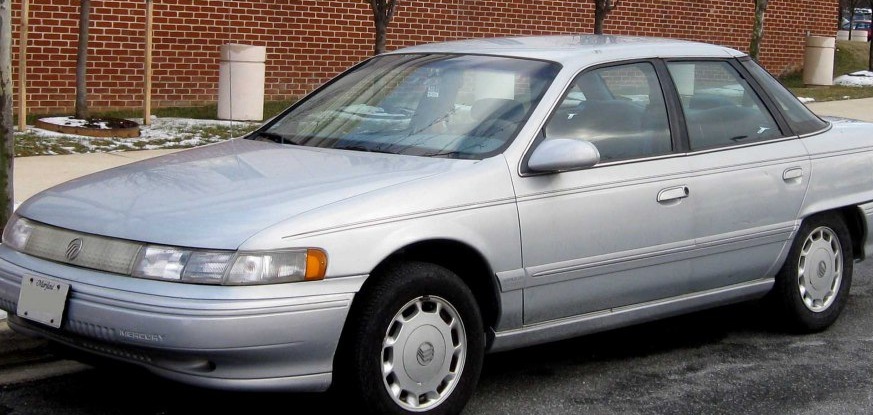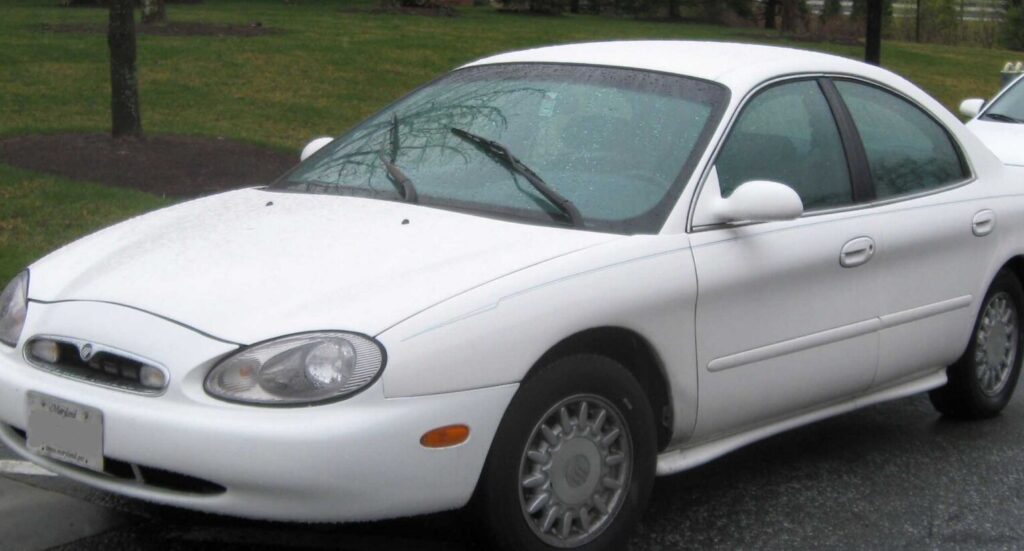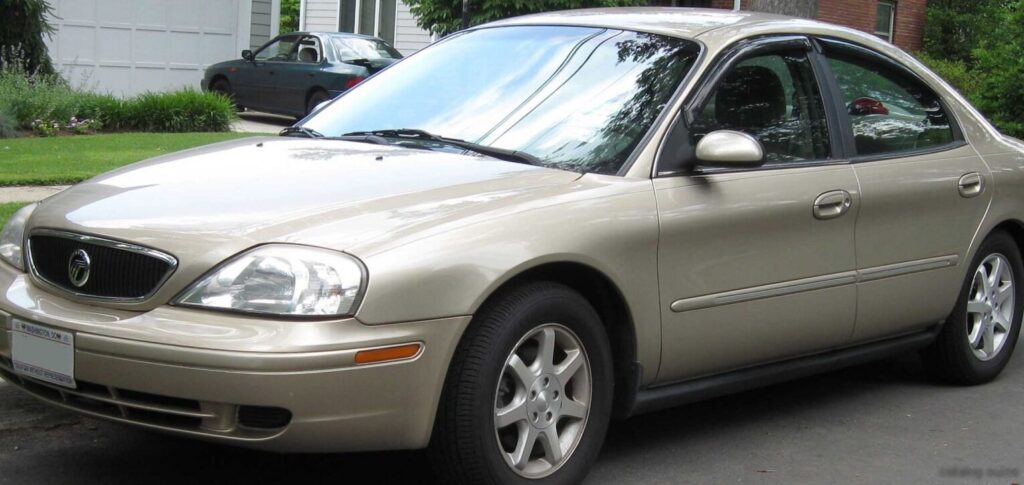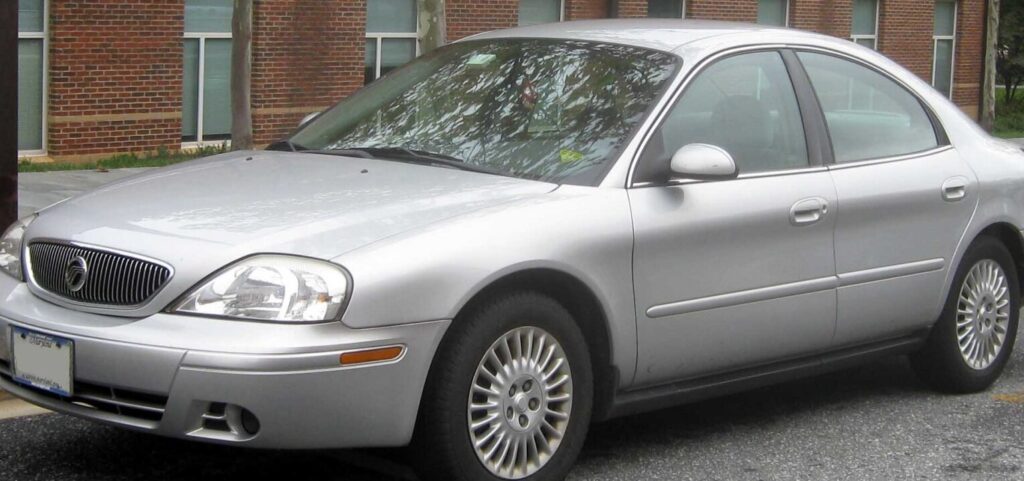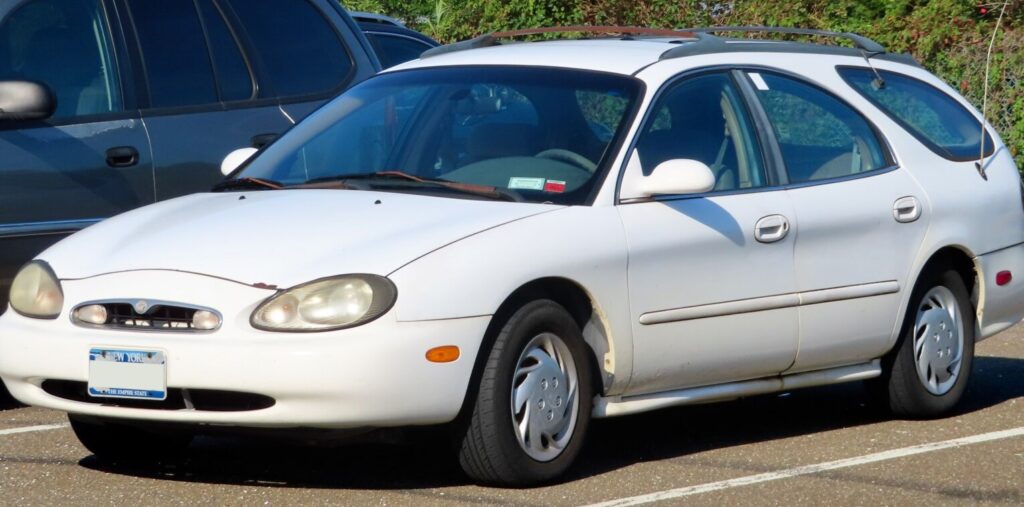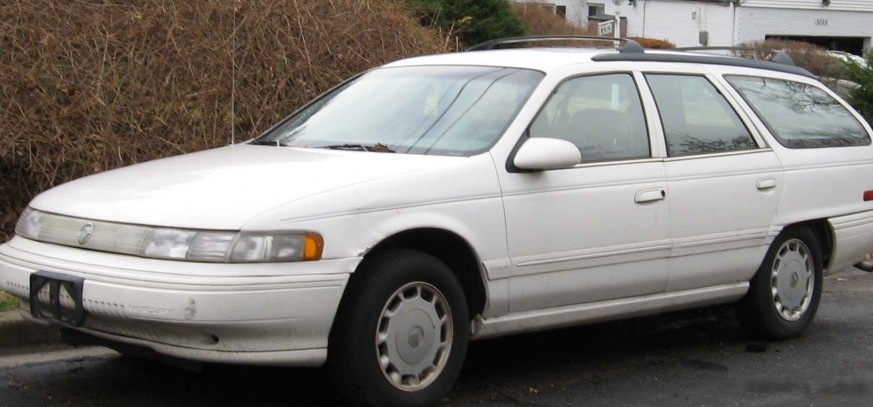
The Mercury Sable Station Wagon II, equipped with the 3.8-liter V6 engine producing 141 horsepower, represented a significant offering in the American family station wagon market from 1991 to 1995. Positioned as a comfortable and practical choice, this variant occupied a middle ground within the Sable lineup, offering a step up in performance from the base four-cylinder models while remaining more affordable than the higher-trim options. It was built on the Ford FN platform, sharing many components with the Ford Taurus and other Ford vehicles of the era. The Sable, as a whole, aimed to provide a more upscale alternative to the Ford Taurus, focusing on comfort and a slightly more refined driving experience.
Technical Specifications
| Brand | Mercury |
| Model | Sable |
| Generation | Sable Station Wagon II |
| Type (Engine) | 3.8 V6 (141 Hp) |
| Start of production | 1991 year |
| End of production | 1995 year |
| Powertrain Architecture | Internal Combustion engine |
| Body type | Station wagon (estate) |
| Seats | 5 |
| Doors | 5 |
| Fuel consumption (economy) – combined | 10.7 l/100 km |
| Fuel consumption (economy) – combined | 22 US mpg |
| Fuel consumption (economy) – combined | 26.4 UK mpg |
| Fuel consumption (economy) – combined | 9.3 km/l |
| Fuel Type | Petrol (Gasoline) |
| Acceleration 0 – 100 km/h | 9 sec |
| Acceleration 0 – 62 mph | 9 sec |
| Acceleration 0 – 60 mph | 8.6 sec |
| Maximum speed | 185 km/h |
| Maximum speed | 114.95 mph |
| Weight-to-power ratio | 10.6 kg/Hp |
| Weight-to-power ratio | 94.1 Hp/tonne |
| Weight-to-torque ratio | 5.1 kg/Nm |
| Weight-to-torque ratio | 194.8 Nm/tonne |
| Power | 141 Hp @ 3800 rpm |
| Power per litre | 37.1 Hp/l |
| Torque | 292 Nm @ 2200 rpm |
| Torque | 215.37 lb.-ft. @ 2200 rpm |
| Engine layout | Front, Transverse |
| Engine displacement | 3797 cm3 |
| Engine displacement | 231.71 cu. in. |
| Number of cylinders | 6 |
| Engine configuration | V-engine |
| Cylinder Bore | 96.8 mm |
| Cylinder Bore | 3.81 in. |
| Piston Stroke | 86 mm |
| Piston Stroke | 3.39 in. |
| Compression ratio | 9:1 |
| Number of valves per cylinder | 2 |
| Fuel injection system | Multi-port manifold injection |
| Engine aspiration | Naturally aspirated engine |
| Engine oil capacity | 4.3 l |
| Engine oil capacity | 4.54 US qt | 3.78 UK qt |
| Coolant | 11.5 l |
| Coolant | 12.15 US qt | 10.12 UK qt |
| Kerb Weight | 1499 kg |
| Kerb Weight | 3304.73 lbs |
| Trunk (boot) space – minimum | 1290 l |
| Trunk (boot) space – minimum | 45.56 cu. ft. |
| Trunk (boot) space – maximum | 2290 l |
| Trunk (boot) space – maximum | 80.87 cu. ft. |
| Fuel tank capacity | 61 l |
| Fuel tank capacity | 16.11 US gal | 13.42 UK gal |
| Length | 4910 mm |
| Length | 193.31 in. |
| Width | 1810 mm |
| Width | 71.26 in. |
| Height | 1400 mm |
| Height | 55.12 in. |
| Wheelbase | 2693 mm |
| Wheelbase | 106.02 in. |
| Front track | 1565 mm |
| Front track | 61.61 in. |
| Rear (Back) track | 1522 mm |
| Rear (Back) track | 59.92 in. |
| Drivetrain Architecture | The Internal combustion engine (ICE) drives the front wheels of the vehicle. |
| Drive wheel | Front wheel drive |
| Number of gears and type of gearbox | 4 gears, automatic transmission |
| Front suspension | Spring Strut |
| Rear suspension | Coil spring |
| Front brakes | Ventilated discs |
| Rear brakes | Disc |
| Assisting systems | ABS (Anti-lock braking system) |
| Steering type | Steering rack and pinion |
| Power steering | Hydraulic Steering |
| Tires size | 205/65 R15 |
Powertrain & Engine Architecture
The heart of this Sable variant was the Ford 3.8-liter (231 cubic inch) Essex V6 engine. Specifically, engines produced between 1991 and 1995 utilized the engine code E5TE. This engine was a 60-degree V6, known for its relatively smooth operation and decent power output for its displacement. It featured a cast iron block with aluminum cylinder heads, and a two-valve-per-cylinder configuration. Fuel delivery was handled by a multi-port fuel injection system, contributing to improved efficiency and drivability compared to earlier carbureted designs. The 141 horsepower rating was achieved at 3800 rpm, while peak torque of 215 lb-ft arrived at a more accessible 2200 rpm. Paired with this engine was a four-speed automatic transmission, a common choice for family vehicles prioritizing ease of use over outright performance. This transmission was electronically controlled, offering smoother shifts than older hydraulically-governed units.
Driving Characteristics
The 3.8L V6 and four-speed automatic combination in the Sable Station Wagon II provided adequate, though not exhilarating, performance. Acceleration to 60 mph took around 8.6 seconds, making it competitive with other family wagons of the time. The automatic transmission’s gear ratios were tuned for comfortable cruising and reasonable fuel economy, rather than aggressive acceleration. The lower horsepower output compared to some of the larger V8 engines available in other Ford products meant that passing maneuvers required more planning. However, the engine’s strong low-end torque made it feel responsive in everyday driving situations. Compared to the five-speed manual transmission option available on some Sable models, the automatic offered a more relaxed driving experience, particularly in city traffic. The manual transmission provided quicker acceleration, but at the cost of some convenience.
Equipment & Trim Levels
The 1991-1995 Mercury Sable Station Wagon II with the 3.8L V6 and automatic transmission typically came standard with features considered essential for family vehicles of the era. These included air conditioning, power steering, power brakes, a tilt steering wheel, and cloth upholstery. Ample cargo space was a key selling point, with the station wagon body style offering significantly more room than the sedan version. Optional extras included a premium sound system, upgraded interior trim, power windows and locks, and a sunroof. Higher trim levels, such as the LS, added features like leather upholstery, alloy wheels, and a more comprehensive list of convenience items.
Chassis & Braking
The Sable Station Wagon II utilized a front-wheel-drive layout with an independent front suspension featuring MacPherson struts and a coil-spring rear suspension. This setup provided a comfortable ride, although handling was not particularly sporty. Braking duties were handled by ventilated discs at the front and solid discs at the rear. An anti-lock braking system (ABS) was available as an option, enhancing safety by preventing wheel lockup during hard braking. The steering system employed a rack-and-pinion setup with hydraulic power assist, providing relatively light and precise steering feel. Tire size was typically 205/65R15.
Market Reception & Comparison
The Mercury Sable Station Wagon II 3.8L Automatic was generally well-received by automotive critics as a practical and comfortable family vehicle. It was praised for its spacious interior, smooth ride, and relatively quiet cabin. However, some reviewers noted that the engine’s performance was adequate but not particularly exciting. Fuel economy was considered average for the class, around 22 mpg in combined driving. Compared to other station wagons of the time, such as the Chevrolet Caprice wagon or the Dodge Caravan minivan, the Sable offered a more refined driving experience and a more upscale interior. However, it was often more expensive than its competitors. Compared to the four-cylinder Sable models, the 3.8L V6 provided a noticeable improvement in performance, making it a more appealing choice for drivers who frequently carried passengers or cargo.
Legacy
The 3.8L V6 engine proved to be a durable and reliable powertrain, and many Sable Station Wagon II models are still on the road today. While not known for exceptional longevity, the engine is generally considered relatively easy to maintain and repair. The four-speed automatic transmission also proved to be fairly robust. In the used car market, these Sables are often sought after by those looking for an affordable and practical family vehicle with a classic American aesthetic. However, potential buyers should be aware of common issues such as corrosion, particularly in areas with harsh winters, and potential for oil leaks as the engine ages. The Sable, while not a performance icon, remains a fondly remembered example of the American station wagon era.