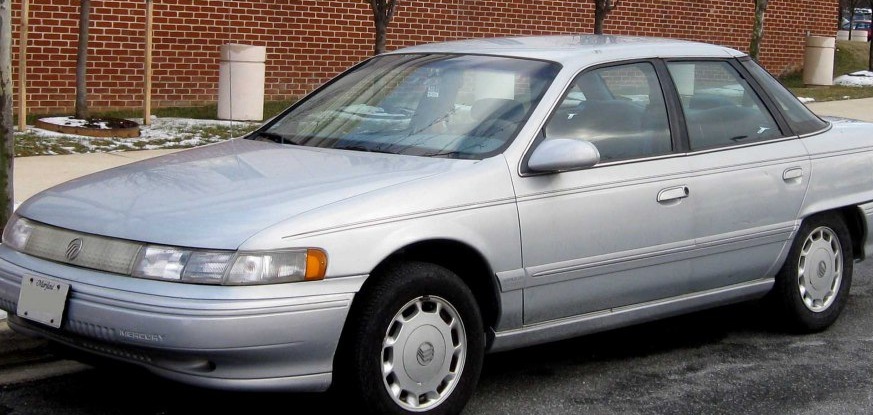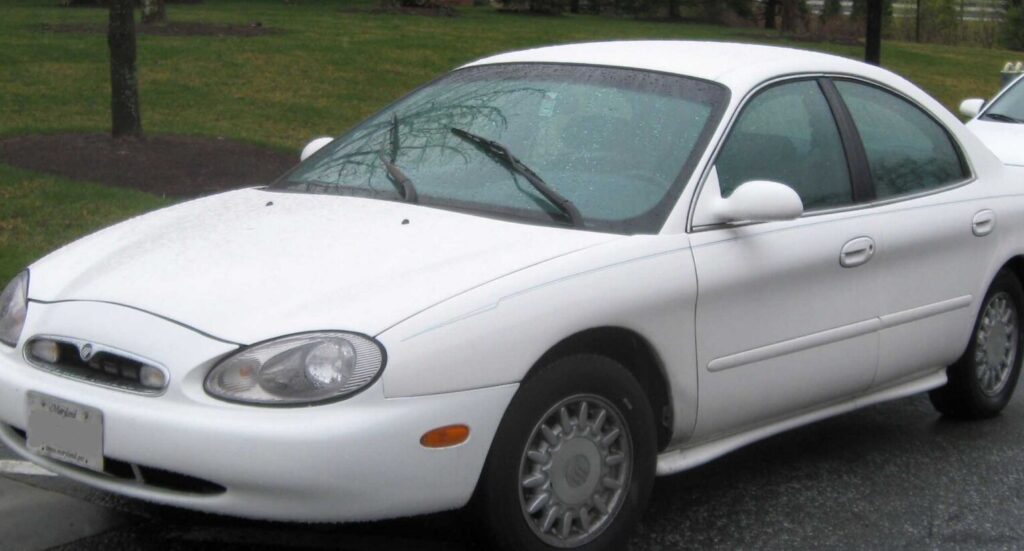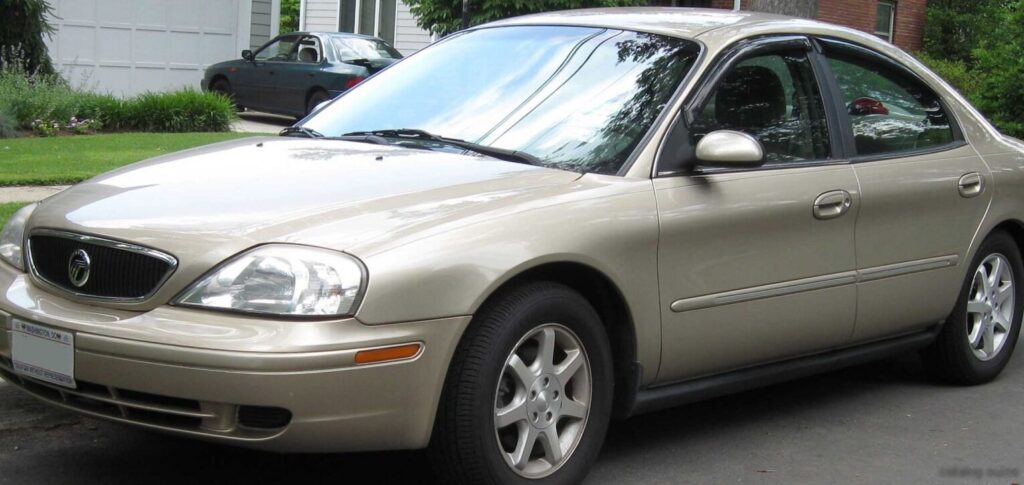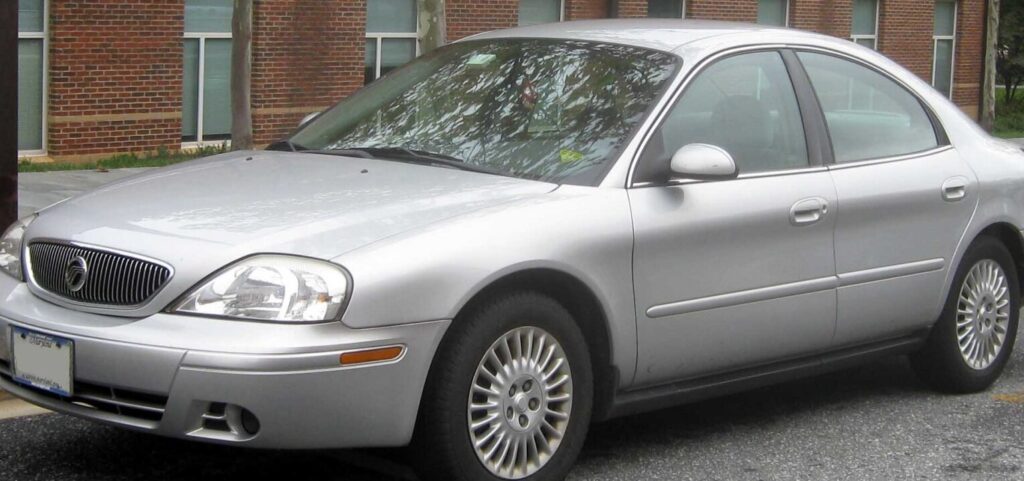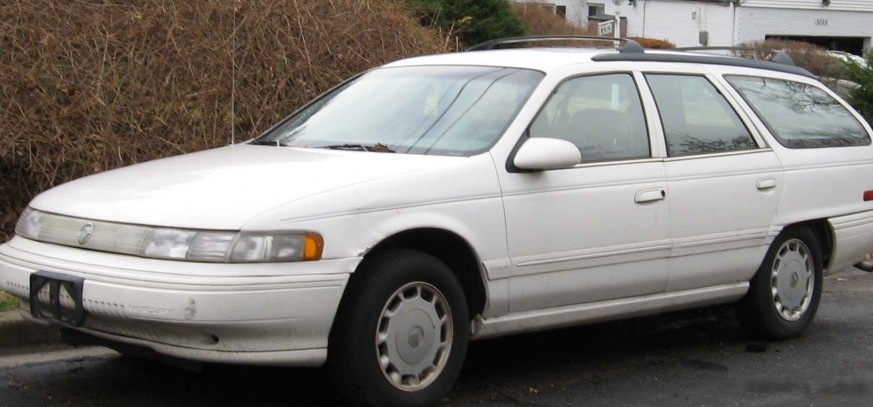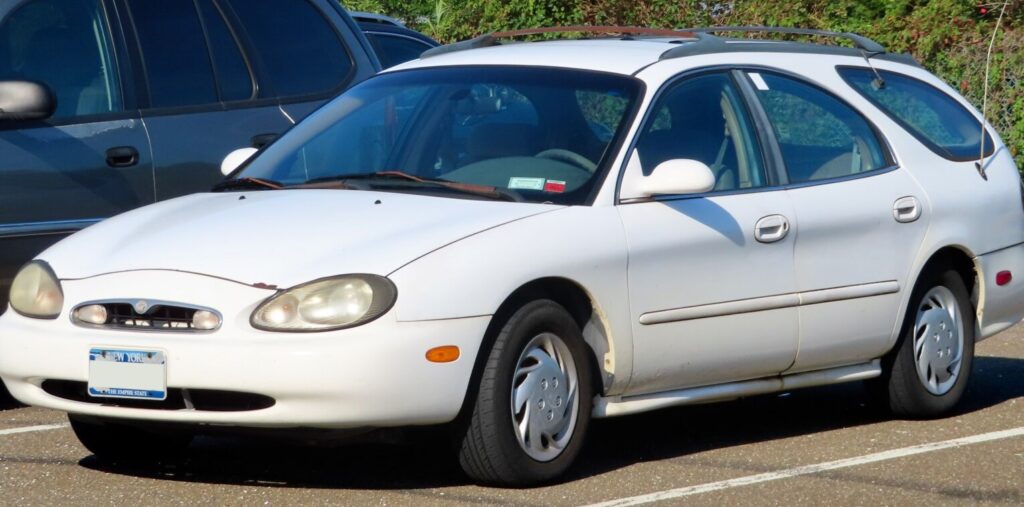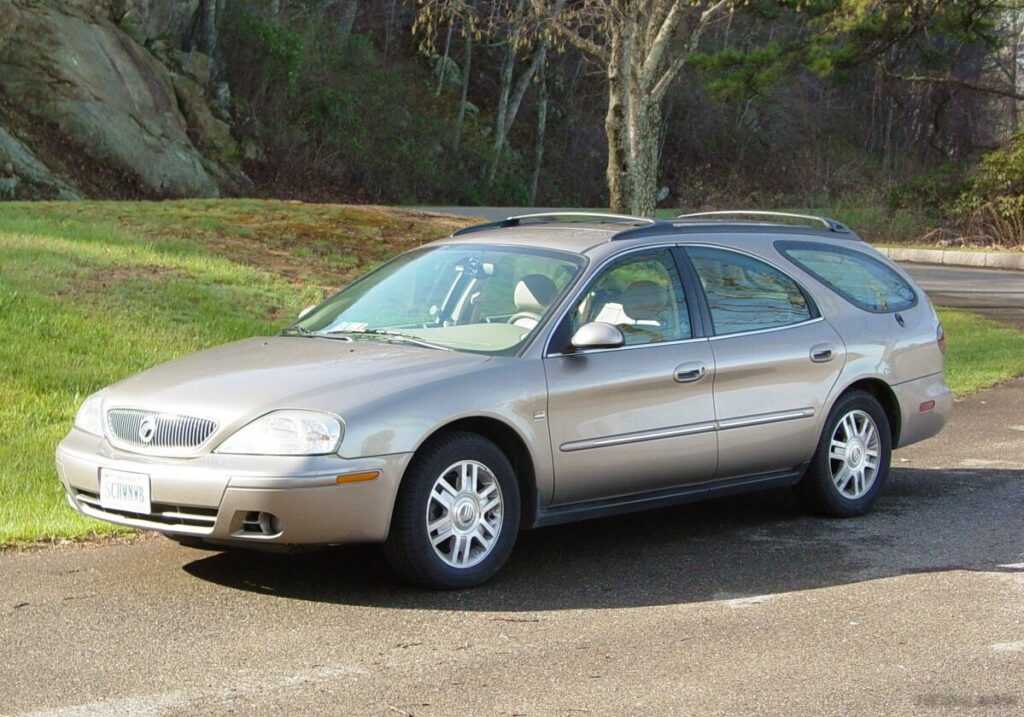
The Mercury Sable Station Wagon IV, specifically the facelifted version produced from 2004 to 2005, represented a final iteration of the Sable nameplate before its discontinuation. This generation, built on the Ford CD2 platform (shared with the Ford Taurus and Lincoln LS), aimed to offer a spacious and comfortable family vehicle. The 3.0 V6 engine paired with an automatic transmission was a mid-range offering within the Sable lineup, positioned between the base 3.0L engine and the higher-performance options available on some trims. It catered to buyers seeking a balance of power, fuel efficiency, and convenience.
Technical Specifications
| Brand | Mercury |
| Model | Sable |
| Generation | Sable Station Wagon IV (facelift 2004) |
| Type (Engine) | 3.0 V6 (201 Hp) Automatic |
| Start of production | 2004 |
| End of production | 2005 |
| Powertrain Architecture | Internal Combustion engine |
| Body type | Station wagon (estate) |
| Seats | 5-7 |
| Doors | 5 |
| Fuel Type | Petrol (Gasoline) |
| Weight-to-power ratio | 7.9 kg/Hp, 127.3 Hp/tonne |
| Weight-to-torque ratio | 5.6 kg/Nm, 178 Nm/tonne |
| Power | 201 Hp @ 5500 rpm |
| Power per litre | 67.7 Hp/l |
| Torque | 281 Nm @ 4500 rpm, 207.25 lb.-ft. @ 4500 rpm |
| Engine layout | Front, Transverse |
| Engine Model/Code | Duratec |
| Engine displacement | 2967 cm3, 181.06 cu. in. |
| Number of cylinders | 6 |
| Engine configuration | V-engine |
| Cylinder Bore | 89 mm, 3.5 in. |
| Piston Stroke | 79.5 mm, 3.13 in. |
| Compression ratio | 10.5:1 |
| Number of valves per cylinder | 4 |
| Fuel injection system | Multi-port manifold injection |
| Engine aspiration | Naturally aspirated engine |
| Valvetrain | DOHC |
| Engine oil capacity | 5.7 l, 6.02 US qt | 5.02 UK qt |
| Coolant | 10 l, 10.57 US qt | 8.8 UK qt |
| Kerb Weight | 1579 kg, 3481.1 lbs |
| Trunk (boot) space – minimum | 1099 l, 38.81 cu. ft |
| Trunk (boot) space – maximum | 2302 l, 81.29 cu. ft |
| Fuel tank capacity | 61 l, 16.11 US gal | 13.42 UK gal |
| Length | 5024 mm, 197.8 in |
| Width | 2024 mm, 79.69 in |
| Height | 1468 mm, 57.8 in |
| Wheelbase | 2756 mm, 108.5 in |
| Front track | 1565 mm, 61.61 in |
| Rear (Back) track | 1577 mm, 62.09 in |
| Drivetrain Architecture | The Internal combustion engine (ICE) drives the front wheels of the vehicle. |
| Drive wheel | Front wheel drive |
| Number of gears and type of gearbox | 4 gears, automatic transmission |
| Front suspension | Independent type McPherson, Transverse stabilizer |
| Rear suspension | Double wishbone, Transverse stabilizer |
| Front brakes | Disc |
| Rear brakes | Disc |
| Assisting systems | ABS (Anti-lock braking system) |
| Steering type | Steering rack and pinion |
| Power steering | Hydraulic Steering |
| Tires size | 215/60 R16 |
| Wheel rims size | 6J x 16 |
Powertrain & Engine Architecture
The heart of this Sable variant is the Ford Duratec 3.0L V6 engine. This engine, part of the Duratec family, is a 60-degree V6 known for its relatively smooth operation and decent power output. It utilizes a cast iron block with aluminum cylinder heads, a configuration common for balancing durability and weight. The engine employs multi-port fuel injection, delivering fuel directly into the intake ports, and a double overhead camshaft (DOHC) valvetrain for improved breathing and efficiency. The 4-speed automatic transmission, a Ford 5R55E unit, was a staple in many Ford and Mercury vehicles of the era. It’s a electronically controlled transmission known for its smooth shifts, but also for potential issues with torque converter failure in some applications. The transmission’s gear ratios were tuned for comfortable cruising and adequate acceleration, prioritizing fuel economy over outright performance.
Driving Characteristics
The 3.0L V6 with the 4-speed automatic in the Sable offered a comfortable, if not particularly sporty, driving experience. Acceleration was adequate for everyday driving, with 0-60 mph times estimated around 8-9 seconds. The automatic transmission provided smooth shifts, but lacked the responsiveness of a manual gearbox. The gear ratios were spaced to prioritize fuel efficiency and relaxed highway cruising. Compared to the base 3.0L engine, the 201 hp version offered a noticeable improvement in power, making merging onto highways and passing maneuvers easier. However, it didn’t deliver the same level of performance as the optional V8 engines available on some Sable trims. The front-wheel-drive configuration provided predictable handling, but lacked the dynamic capabilities of all-wheel-drive systems.
Equipment & Trim Levels
The 3.0L V6 automatic Sable typically came standard with features like air conditioning, power windows and locks, a CD player, and cloth upholstery. Higher trim levels added features such as leather seats, a power driver’s seat, upgraded audio systems, and alloy wheels. Optional extras included a sunroof, heated seats, and a navigation system. The interior design was functional and spacious, with a focus on comfort for both the driver and passengers. The station wagon body style offered ample cargo space, making it a practical choice for families.
Chassis & Braking
The Sable Station Wagon IV utilized an independent McPherson strut front suspension and a double wishbone rear suspension. Both ends featured a transverse stabilizer bar to reduce body roll during cornering. The braking system consisted of disc brakes on all four wheels, providing adequate stopping power for the vehicle’s weight. Anti-lock braking system (ABS) was standard, enhancing safety by preventing wheel lockup during hard braking. The suspension tuning prioritized ride comfort over sporty handling, resulting in a smooth and compliant ride quality.
Market Reception & Comparison
The 2004-2005 Mercury Sable 3.0L V6 automatic received generally positive reviews for its spacious interior, comfortable ride, and decent fuel economy. Critics noted that the engine provided adequate power for most driving situations, but wasn’t particularly exciting. Compared to other mid-size station wagons of the time, the Sable offered a competitive level of space and features. Fuel economy was rated around 18-26 mpg, depending on driving conditions. Reliability was generally good, although some owners reported issues with the automatic transmission and minor electrical problems. The Sable’s main competitors included the Toyota Camry Wagon, Honda Accord Wagon, and the Dodge Intrepid.
Legacy
The Mercury Sable, and particularly this 3.0L V6 automatic variant, represents a final chapter in the American station wagon era. While not a performance icon, it provided a practical and comfortable transportation solution for families. The Duratec 3.0L V6 engine proved to be a relatively reliable powerplant, and many examples are still on the road today. In the used car market, these Sables are often sought after for their affordability and spaciousness. However, potential buyers should be aware of the potential for transmission issues and the age-related wear and tear common to vehicles of this era. The Sable’s legacy lies in its role as a comfortable, family-friendly vehicle that offered a good value proposition during its production run.