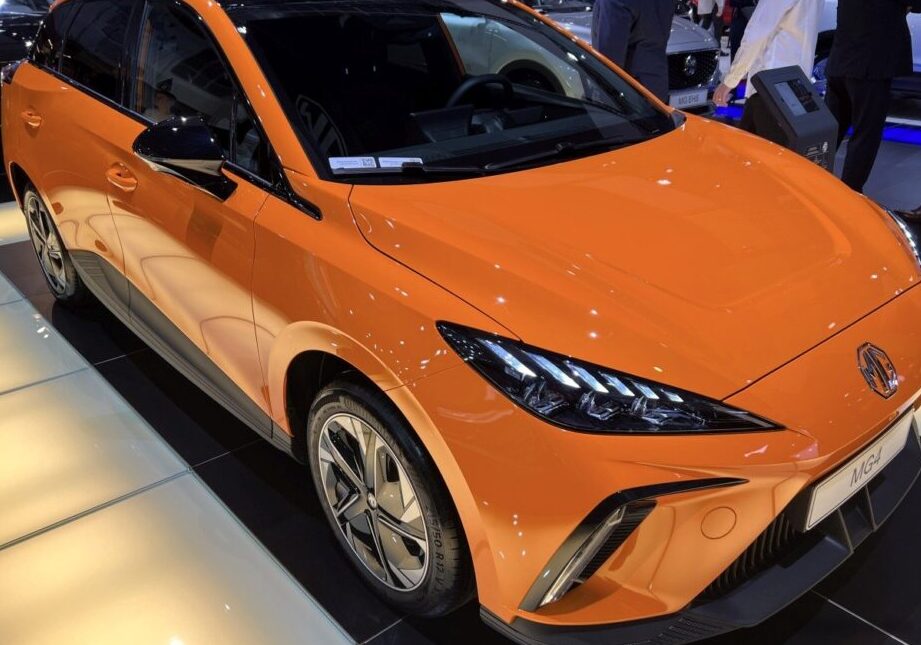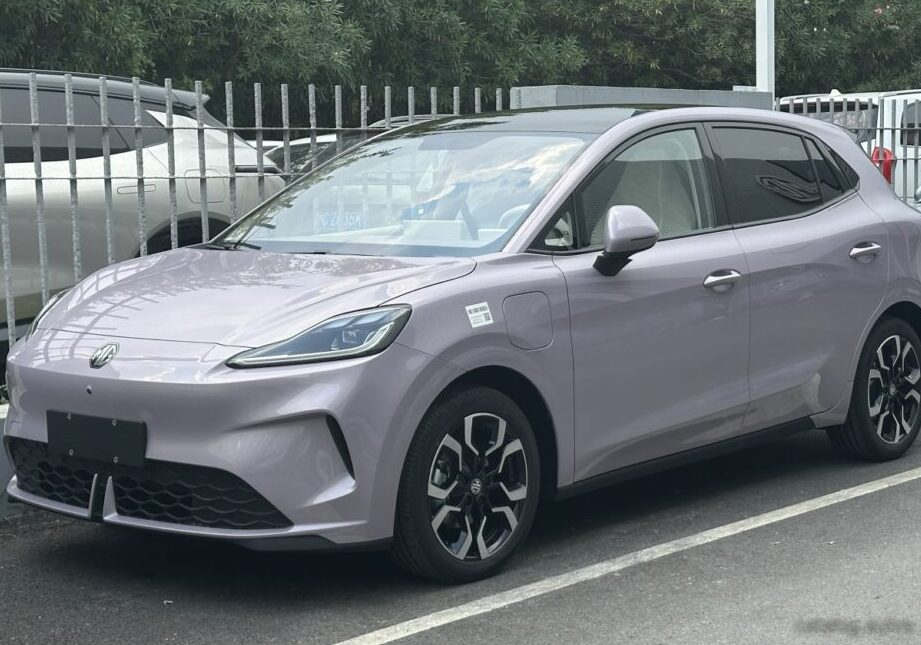
The MG4 EV II 53.95 kWh, producing 163 horsepower, represents a significant entry in MG’s expanding electric vehicle lineup. Introduced for the 2025 model year, this variant occupies a crucial position as a more accessible and efficient option within the MG4 family, targeting buyers seeking a practical and affordable electric hatchback. It builds upon the foundation of the broader MG4 platform, designated as a compact, five-door hatchback designed for the global market, with a particular focus on European and increasingly, North American consumers. The MG4 aims to disrupt the EV market by offering a compelling combination of range, performance, and value.
Technical Specifications
| Brand | MG |
| Model | MG4 |
| Generation | MG4 EV II |
| Type (Engine) | 53.95 kWh (163 Hp) |
| Start of production | 2025 |
| Powertrain Architecture | BEV (Electric Vehicle) |
| Body type | Hatchback |
| Seats | 5 |
| Doors | 5 |
| Fuel Type | Electricity |
| Maximum speed | 160 km/h (99.42 mph) |
| Weight-to-power ratio | 9.1 kg/Hp, 109.8 Hp/tonne |
| Weight-to-torque ratio | 5.9 kg/Nm, 168.4 Nm/tonne |
| Gross battery capacity | 53.95 kWh |
| Battery technology | Lithium iron phosphate (LiFePO4) |
| Battery location | Below the floor |
| All-electric range (CLTC) | 530 km (329.33 mi) |
| Average Energy consumption (CLTC) | 11.9 kWh/100 km (19.15 kWh/100 mi, 176 MPGe, 8.4 km/kWh, 5.2 mi/kWh) |
| Electric motor power | 163 Hp |
| Electric motor Torque | 250 Nm (184.39 lb.-ft.) |
| Electric motor model/code | TZ180XS1001 |
| Electric motor location | Front axle, Transverse |
| Electric motor type | Synchronous |
| System power | 163 Hp |
| System torque | 250 Nm (184.39 lb.-ft.) |
| Kerb Weight | 1485 kg (3273.86 lbs.) |
| Max. weight | 1920 kg (4232.88 lbs.) |
| Max load | 435 kg (959.01 lbs.) |
| Trunk (boot) space – minimum | 471 l (16.63 cu. ft.) |
| Trunk (boot) space – maximum | 1362 l (48.1 cu. ft.) |
| Length | 4395 mm (173.03 in.) |
| Width | 1842 mm (72.52 in.) |
| Height | 1551 mm (61.06 in.) |
| Wheelbase | 2750 mm (108.27 in.) |
| Front track | 1547 mm (60.91 in.) |
| Rear (Back) track | 1547 mm (60.91 in.) |
| Minimum turning circle | 10.4 m (34.12 ft.) |
| Approach angle | 15° |
| Departure angle | 25° |
| Drivetrain Architecture | One electric motor drives the front wheels. |
| Drive wheel | Front wheel drive |
| Number of gears and type of gearbox | 1 gears, automatic transmission |
| Front suspension | Independent, type McPherson with coil spring and anti-roll bar |
| Rear suspension | Semi-independent, coil spring, Torsion |
| Front brakes | Ventilated discs |
| Rear brakes | Disc |
| Assisting systems | ABS (Anti-lock braking system) |
| Steering type | Steering rack and pinion |
| Power steering | Electric Steering |
| Tires size | 205/50 R17 |
| Wheel rims size | 17 |
Powertrain & Engine Architecture
The MG4 EV II 53.95 kWh is powered by a single, front-mounted synchronous electric motor, designated TZ180XS1001. This motor delivers a peak output of 163 horsepower and 250 Nm (184.39 lb.-ft.) of torque. The energy is supplied by a 53.95 kWh Lithium Iron Phosphate (LiFePO4) battery pack, positioned under the vehicle floor to optimize weight distribution and passenger space. LiFePO4 chemistry is favored for its inherent thermal stability and longer cycle life compared to Nickel Manganese Cobalt (NMC) batteries, though it typically offers slightly lower energy density. The single-speed automatic transmission is a direct-drive system, characteristic of most electric vehicles, providing seamless acceleration. The vehicle utilizes a sophisticated battery management system (BMS) to monitor and regulate battery health, temperature, and charging processes.
Driving Characteristics
The 163 hp output and single-speed automatic transmission provide adequate, though not exhilarating, performance. Acceleration from 0 to 60 mph is estimated around 8.5 seconds. The immediate torque delivery inherent in electric motors provides brisk responsiveness in urban driving conditions. Compared to higher-output MG4 variants, this version prioritizes efficiency over outright speed. The single-gear ratio means there’s no gear shifting, resulting in a smooth and linear power delivery. The front-wheel-drive configuration offers predictable handling, but can exhibit some torque steer under hard acceleration. The relatively low weight of the vehicle, at 1485 kg (3273.86 lbs), contributes to a reasonably agile feel.
Equipment & Trim Levels
The MG4 EV II 53.95 kWh typically comes standard with a comprehensive suite of features, including a 10.1-inch touchscreen infotainment system with Apple CarPlay and Android Auto compatibility, a digital instrument cluster, and MG Pilot, a suite of advanced driver-assistance systems (ADAS) including adaptive cruise control, lane-keeping assist, and automatic emergency braking. Interior upholstery is typically cloth, with options for upgraded materials available. Trim levels may vary by market, but generally include options for features like heated front seats, a panoramic sunroof, and a 360-degree camera system.
Chassis & Braking
The MG4 EV II utilizes a McPherson strut suspension setup at the front, providing a comfortable ride and responsive handling. The rear suspension employs a semi-independent torsion beam configuration, a cost-effective solution that balances ride quality and space efficiency. The braking system consists of ventilated discs at the front and solid discs at the rear, coupled with an Anti-lock Braking System (ABS) and Electronic Brakeforce Distribution (EBD). The electric steering system provides light and precise steering feel. The vehicle is equipped with 205/50 R17 tires, offering a good balance of grip and rolling resistance.
Market Reception & Comparison
The MG4 EV II 53.95 kWh has been well-received by critics for its affordability and practicality. It offers a competitive range and feature set compared to other EVs in its price segment. Compared to the longer-range MG4 variants, this version provides a lower entry price point, making it accessible to a wider range of buyers. However, the smaller battery capacity results in a shorter range, which may be a concern for some drivers. Fuel economy, expressed as energy consumption, is rated at 11.9 kWh/100 km (176 MPGe), making it a highly efficient vehicle. Reliability data is still emerging, but MG has been steadily improving its quality control in recent years.
Legacy
The MG4 EV II 53.95 kWh represents a pivotal moment for MG, demonstrating the brand’s commitment to electric mobility and its ability to deliver affordable EVs to the mass market. The LiFePO4 battery technology is expected to provide long-term durability and reliability. As the used EV market matures, this variant is likely to become a popular choice for budget-conscious buyers seeking a practical and efficient electric hatchback. Its success will contribute to the wider adoption of electric vehicles and help accelerate the transition to a sustainable transportation future.