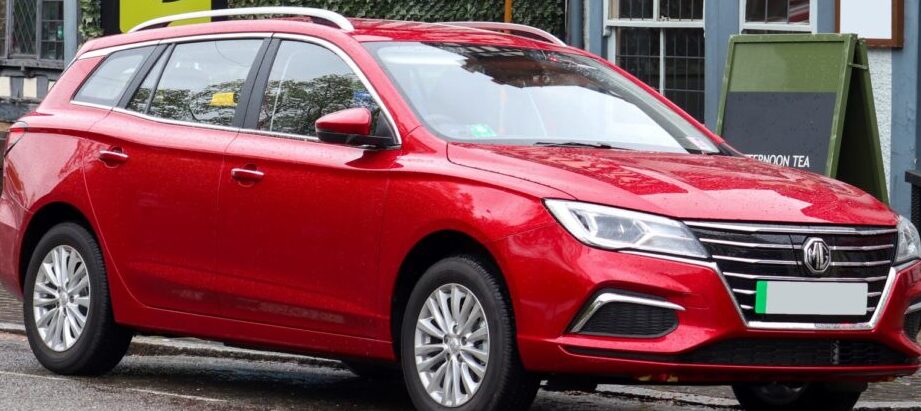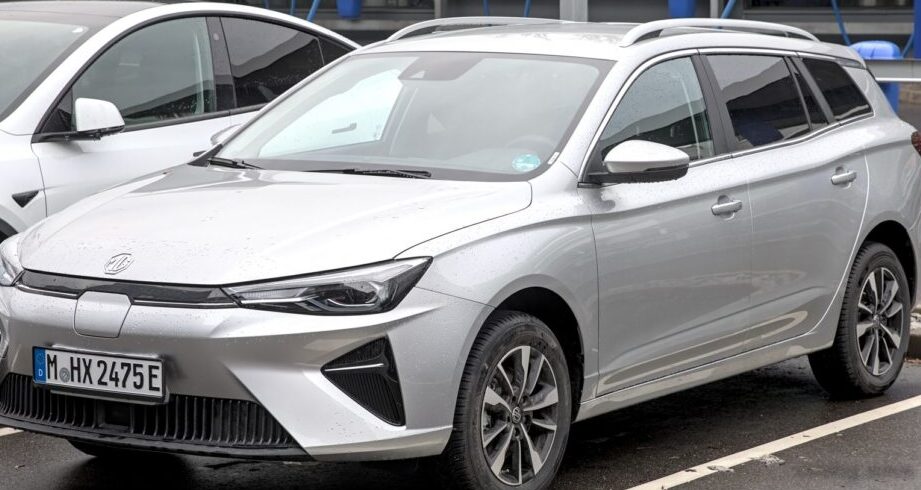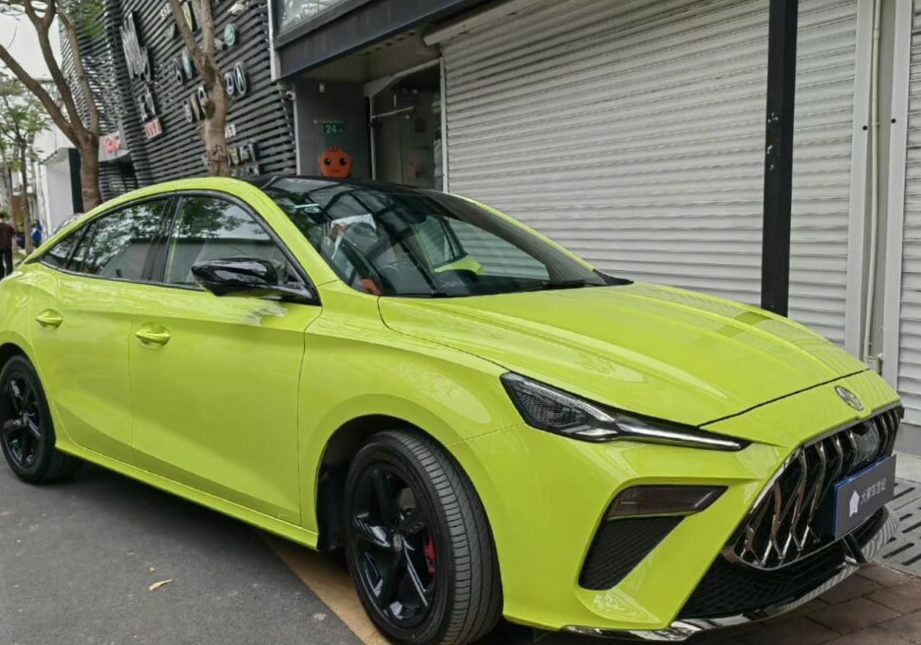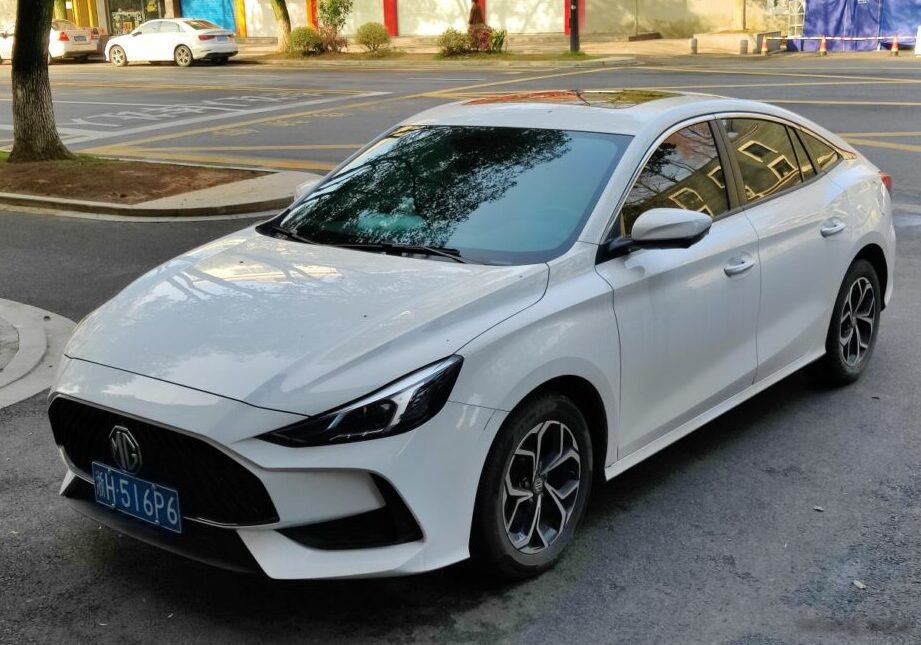
The MG5 II 180DVVT, a front-wheel-drive compact sedan, represents MG Motor’s entry into the increasingly competitive global compact car segment. Introduced in November 2020, this variant utilizes a 1.5-liter naturally aspirated four-cylinder engine paired with a continuously variable transmission (CVT). It occupies a mid-range position within the MG5 II lineup, offering a balance between affordability, fuel efficiency, and practicality. The MG5 II is primarily targeted towards markets outside of North America, with a strong presence in Europe, Australia, and parts of Asia, where it aims to provide a value-oriented alternative to established brands.
Technical Specifications
| Brand | MG |
| Model | MG5 |
| Generation | MG5 II |
| Type (Engine) | 180DVVT (120 Hp) CVT |
| Start of production | November, 2020 |
| Powertrain Architecture | Internal Combustion engine |
| Body type | Sedan |
| Seats | 5 |
| Doors | 4 |
| Fuel consumption (combined) | 5.7 l/100 km (41.3 US mpg, 49.6 UK mpg, 17.5 km/l) |
| Fuel Type | Petrol (Gasoline) |
| Maximum speed | 180 km/h (111.85 mph) |
| Emission standard | China VI |
| Weight-to-power ratio | 10.5 kg/Hp, 95.2 Hp/tonne |
| Weight-to-torque ratio | 8.4 kg/Nm, 119 Nm/tonne |
| Power | 120 Hp @ 6000 rpm |
| Power per litre | 80.1 Hp/l |
| Torque | 150 Nm @ 4500 rpm (110.63 lb.-ft. @ 4500 rpm) |
| Engine layout | Front, Transverse |
| Engine Model/Code | 15S4C |
| Engine displacement | 1498 cm3 (91.41 cu. in.) |
| Number of cylinders | 4 |
| Engine configuration | Inline |
| Number of valves per cylinder | 4 |
| Fuel injection system | Direct injection |
| Engine aspiration | Naturally aspirated engine |
| Valvetrain | DVVT |
| Engine systems | Start & Stop System |
| Kerb Weight | 1260 kg (2777.82 lbs.) |
| Trunk (boot) space – minimum | 401 l (14.16 cu. ft.) |
| Fuel tank capacity | 45 l (11.89 US gal | 9.9 UK gal) |
| Length | 4675 mm (184.06 in.) |
| Width | 1842 mm (72.52 in.) |
| Height | 1473 mm (57.99 in.) |
| Wheelbase | 2680 mm (105.51 in.) |
| Drivetrain Architecture | The Internal combustion engine (ICE) drives the front wheels of the vehicle. |
| Drive wheel | Front wheel drive |
| Number of gears and type of gearbox | automatic transmission CVT |
| Front suspension | Independent type McPherson |
| Front brakes | Ventilated discs |
| Rear brakes | Disc |
| Assisting systems | ABS (Anti-lock braking system) |
| Steering type | Steering rack and pinion |
| Power steering | Electric Steering |
| Tires size | 205/55 R16 |
| Wheel rims size | 16 |
Powertrain & Engine Architecture
The heart of the MG5 II 180DVVT is the 15S4C, a 1.5-liter inline-four cylinder gasoline engine. This engine features direct fuel injection and MG’s DVVT (Dynamic Variable Valve Timing) technology, optimizing valve timing for improved efficiency and power delivery across the rev range. The DVVT system adjusts both intake and exhaust valve timing, enhancing combustion efficiency and reducing emissions. The engine produces 120 horsepower at 6000 rpm and 150 Nm (110.63 lb-ft) of torque at 4500 rpm. The engine is paired with a continuously variable transmission (CVT), which prioritizes smooth acceleration and fuel economy over traditional stepped gear changes. The CVT lacks fixed gear ratios, instead utilizing a belt-and-pulley system to provide a seamless range of ratios. A Start & Stop system is included as standard, further contributing to fuel savings in urban driving conditions.
Driving Characteristics
The 1.8L/CVT combination in the MG5 II delivers a comfortable, if not particularly sporty, driving experience. The CVT is tuned for efficiency, resulting in smooth acceleration but lacking the responsiveness of a traditional automatic or manual transmission. Acceleration from 0 to 100 km/h (0-62 mph) is typically around 11-12 seconds. The CVT’s programming tends to hold the engine at its most efficient rpm, which can sometimes feel slightly ‘droning’ during hard acceleration. Compared to higher-output versions of the MG5 II, such as those equipped with a 1.5-liter turbocharged engine, the 180DVVT offers less outright performance. However, it provides a more relaxed and fuel-efficient driving experience, making it well-suited for daily commuting and long-distance journeys. The steering is light and easy to use, making it maneuverable in city traffic.
Equipment & Trim Levels
The MG5 II 180DVVT typically comes with a reasonable level of standard equipment. This generally includes air conditioning, power windows and mirrors, a basic infotainment system with Bluetooth connectivity, and ABS brakes. Higher trim levels add features such as alloy wheels, a touchscreen infotainment system with Apple CarPlay and Android Auto compatibility, a reversing camera, and parking sensors. Interior upholstery is typically cloth, with options for leatherette available on higher trims. Safety features include multiple airbags and electronic stability control. The specific equipment levels can vary depending on the market and optional packages selected.
Chassis & Braking
The MG5 II utilizes a front-wheel-drive platform with an independent McPherson strut suspension at the front and a semi-independent torsion beam suspension at the rear. The front suspension provides a comfortable ride and decent handling, while the rear torsion beam is a cost-effective solution that prioritizes space efficiency. Braking is handled by ventilated discs at the front and solid discs at the rear. ABS (Anti-lock Braking System) is standard, providing enhanced braking performance and stability. The steering system employs an electric power steering (EPS) system, offering light and precise steering feel.
Market Reception & Comparison
The MG5 II 180DVVT has been generally well-received in markets where it’s offered, particularly for its value proposition. Critics have praised its spacious interior, comfortable ride, and competitive pricing. However, the CVT transmission has been a point of criticism for some, with reviewers noting its lack of responsiveness compared to traditional automatic transmissions. Compared to other trims in the MG5 II lineup, the 180DVVT offers the best fuel economy but the lowest performance. It competes with other compact sedans in its price range, such as the Skoda Rapid, Hyundai Accent, and Kia Rio, offering a similar level of equipment and practicality.
Legacy
The 15S4C engine, while not known for being a particularly groundbreaking design, has proven to be relatively reliable in the MG5 II. The CVT transmission, however, requires regular maintenance, including fluid changes, to ensure longevity. In the used car market, the MG5 II 180DVVT represents an affordable and practical option for buyers seeking a fuel-efficient compact sedan. Its relatively simple engine design and readily available parts contribute to lower maintenance costs. As MG continues to expand its global presence, the MG5 II is likely to remain a significant model in its lineup, offering a compelling value proposition for budget-conscious buyers.