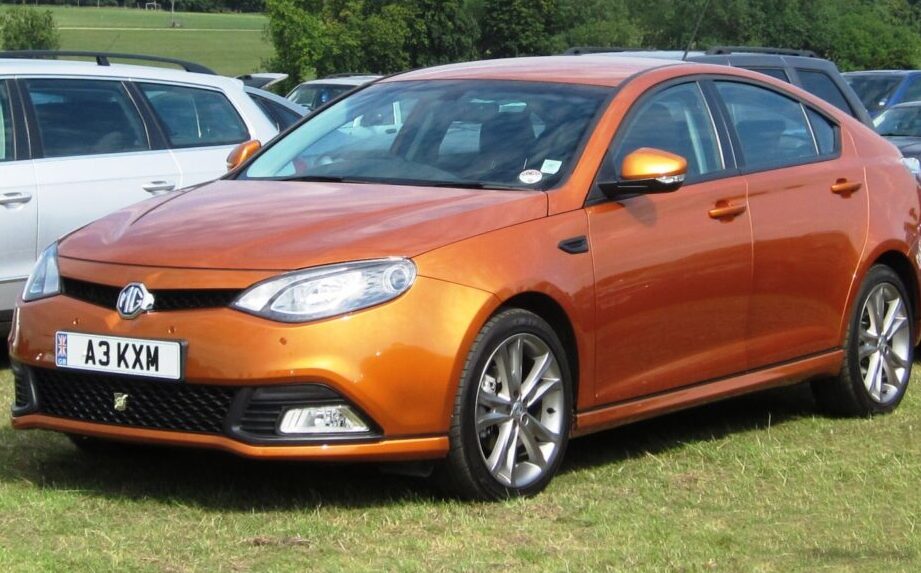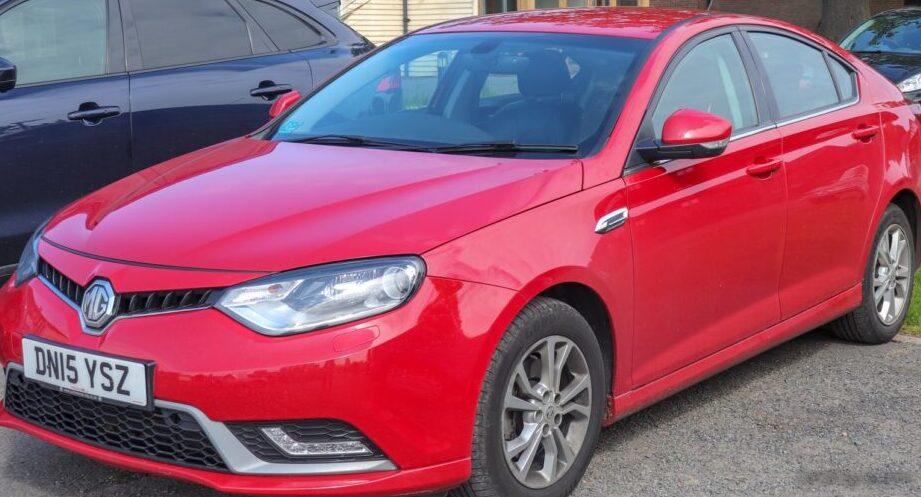
The MG6 1.9 DTi-TECH, produced from April 2015 to November 2017, represents a significant iteration of MG Motor’s attempt to re-establish itself in the competitive European and UK car markets. This facelifted version of the original MG6, a liftback sedan, aimed to offer a blend of practicality, fuel efficiency, and reasonable performance. The 1.9 DTi-TECH variant occupied a middle ground in the MG6 lineup, positioned as a more economical and torque-focused alternative to the petrol-powered models, while offering a more refined experience than the entry-level trims. It was primarily targeted at drivers seeking a comfortable and efficient daily driver with a touch of sporting character.
Technical Specifications
| Brand | MG |
| Model | MG6 |
| Generation | MG6 I (facelift 2015) |
| Type (Engine) | 1.9 DTi-TECH (150 Hp) |
| Start of production | April, 2015 |
| End of production | November, 2017 |
| Powertrain Architecture | Internal Combustion engine |
| Body type | Liftback |
| Seats | 5 |
| Doors | 5 |
| Fuel consumption (urban) | 5.4 l/100 km (43.6 US mpg, 52.3 UK mpg, 18.5 km/l) |
| Fuel consumption (extra urban) | 4.1 l/100 km (57.4 US mpg, 68.9 UK mpg, 24.4 km/l) |
| Fuel consumption (combined) | 4.6 l/100 km (51.1 US mpg, 61.4 UK mpg, 21.7 km/l) |
| CO2 emissions | 119 g/km |
| Fuel Type | Diesel |
| Acceleration 0 – 100 km/h | 8.4 sec |
| Acceleration 0 – 62 mph | 8.4 sec |
| Acceleration 0 – 60 mph | 8 sec (Calculated) |
| Maximum speed | 120 km/h (74.56 mph) |
| Emission standard | Euro 5 |
| Weight-to-power ratio | 10.1 kg/Hp |
| Weight-to-torque ratio | 4.3 kg/Nm |
| Power | 150 Hp @ 4000 rpm |
| Torque | 350 Nm @ 1800 rpm (258.15 lb.-ft. @ 1800 rpm) |
| Engine layout | Front, Transverse |
| Engine displacement | 1849 cm3 (112.83 cu. in.) |
| Number of cylinders | 4 |
| Engine configuration | Inline |
| Cylinder Bore | 80 mm (3.15 in.) |
| Piston Stroke | 92 mm (3.62 in.) |
| Compression ratio | 15.8:1 |
| Number of valves per cylinder | 4 |
| Fuel injection system | Diesel Commonrail |
| Engine aspiration | Turbocharger, Intercooler |
| Valvetrain | DOHC |
| Kerb Weight | 1521 kg (3353.23 lbs.) |
| Max. weight | 2140 kg (4717.89 lbs.) |
| Max load | 619 kg (1364.66 lbs.) |
| Trunk (boot) space – minimum | 498 l (17.59 cu. ft.) |
| Trunk (boot) space – maximum | 1379 l (48.7 cu. ft.) |
| Fuel tank capacity | 62 l (16.38 US gal, 13.64 UK gal) |
| Permitted trailer load with brakes (12%) | 1600 kg (3527.4 lbs.) |
| Permitted trailer load without brakes | 750 kg (1653.47 lbs.) |
| Permitted towbar download | 100 kg (220.46 lbs.) |
| Length | 4651 mm (183.11 in.) |
| Width | 1827 mm (71.93 in.) |
| Width including mirrors | 2008 mm (79.06 in.) |
| Height | 1472 mm (57.95 in.) |
| Wheelbase | 2705 mm (106.5 in.) |
| Minimum turning circle | 11.45 m (37.57 ft.) |
| Drivetrain Architecture | ICE, Front wheel drive |
| Drive wheel | Front wheel drive |
| Number of gears and type of gearbox | 6 gears, manual transmission |
| Front suspension | Independent type McPherson |
| Rear suspension | Independent multi-link suspension |
| Assisting systems | ABS (Anti-lock braking system) |
| Steering type | Steering rack and pinion |
INTRODUCTION
The MG6 1.9 DTi-TECH (facelift) arrived in 2015 as part of a broader effort by SAIC Motor, MG’s parent company, to revitalize the MG brand. Building upon the initial MG6 launched in 2011, the facelift brought styling updates, improved interior materials, and crucially, a refined diesel engine option. The 1.9-liter DTi-TECH engine, developed in-house by SAIC, was intended to provide a compelling alternative to petrol engines, offering improved fuel economy and torque for everyday driving. This variant was positioned as a practical and efficient choice for families and commuters, offering a good balance between performance and running costs.
Powertrain & Engine Architecture
The heart of the MG6 1.9 DTi-TECH is the 1849cc (1.9L) four-cylinder diesel engine, designated with engine codes such as 20X4F. This engine utilizes a common rail direct injection system, delivering fuel at extremely high pressure for optimized combustion. The engine features a single turbocharger with an intercooler, boosting power output to 150 horsepower at 4000 rpm and a substantial 350 Nm (258 lb-ft) of torque at 1800 rpm. The engine also incorporates a diesel particulate filter (DPF) to meet Euro 5 emission standards. The 6-speed manual transmission was the only transmission option available with this engine, offering a relatively direct and engaging driving experience. The engine’s architecture is a relatively conventional inline-four configuration with a double overhead camshaft (DOHC) valvetrain operating four valves per cylinder.
Driving Characteristics
The MG6 1.9 DTi-TECH offers a distinctly different driving experience compared to the petrol-powered versions. The abundant low-end torque makes it feel responsive in everyday driving situations, providing effortless acceleration for overtaking and merging onto highways. While not a particularly fast car – 0-60 mph takes around 8 seconds – it feels more capable than its horsepower figure suggests. The manual transmission, while not exceptionally sporty, is precise and allows for good control over the engine’s power delivery. Compared to the higher-output petrol engines, the diesel variant prioritizes fuel efficiency over outright performance. The gear ratios are tuned for maximizing fuel economy, which can sometimes result in the engine feeling slightly strained at higher speeds.
Equipment & Trim Levels
The MG6 1.9 DTi-TECH was typically offered in a single, well-equipped trim level. Standard features included air conditioning, electric front and rear windows, a USB audio interface, and a basic infotainment system. Safety features such as ABS, electronic brakeforce distribution (EBD), and front airbags were also standard. Higher-spec versions could be equipped with optional extras such as leather upholstery, a sunroof, and rear parking sensors. The interior design was functional and reasonably well-built, although material quality was not on par with some of its competitors. The liftback body style provided a generous amount of cargo space, making it a practical choice for families.
Chassis & Braking
The MG6 utilizes a McPherson strut front suspension and a multi-link rear suspension, providing a comfortable and controlled ride. The suspension setup is tuned for everyday driving, prioritizing comfort over outright handling prowess. The steering is light and precise, making it easy to maneuver in urban environments. Braking duties are handled by disc brakes on the front wheels and drum brakes on the rear wheels. While adequate for most driving situations, the rear drum brakes can feel less progressive than disc brakes under heavy braking. The car’s weight of around 1521 kg (3353 lbs) contributes to its stable and predictable handling characteristics.
Market Reception & Comparison
The MG6 1.9 DTi-TECH received mixed reviews from automotive critics. While praised for its fuel efficiency and torque, it was often criticized for its somewhat unrefined engine noise and its lack of overall sophistication compared to established European rivals. Compared to the petrol-powered MG6 variants, the diesel offered significantly better fuel economy and a more relaxed driving experience. However, it was generally more expensive to purchase. In terms of reliability, the MG6 1.9 DTi-TECH has proven to be reasonably dependable, although owners have reported occasional issues with the DPF and the turbocharger.
Legacy
The MG6 1.9 DTi-TECH represents a pivotal moment in MG’s modern history. While it didn’t achieve massive sales success, it demonstrated the brand’s commitment to offering a diverse range of powertrains and its ability to develop its own diesel engine technology. On the used car market, the MG6 1.9 DTi-TECH remains an affordable and practical option for buyers seeking a fuel-efficient and spacious family car. Its relatively simple mechanical design and readily available parts make it a relatively easy car to maintain. However, potential buyers should be aware of the potential for DPF-related issues and ensure that the car has been properly maintained.