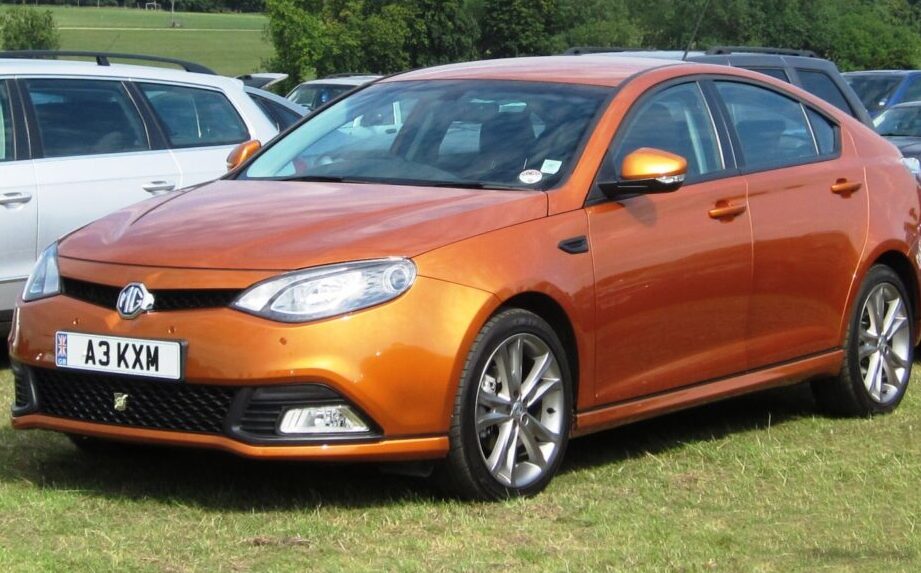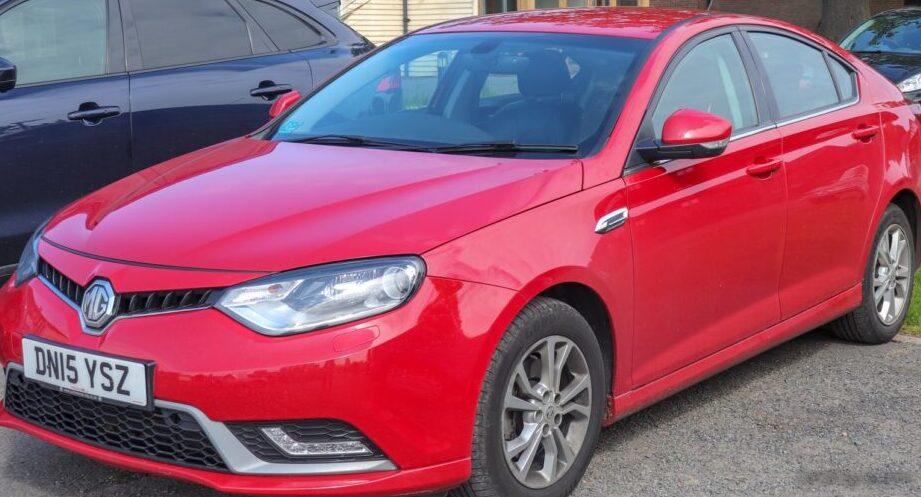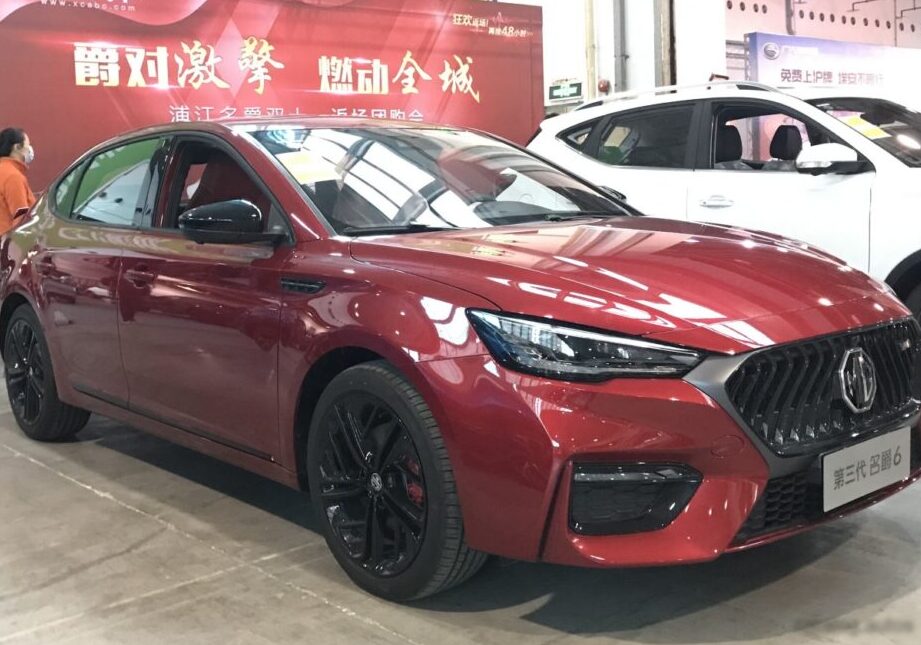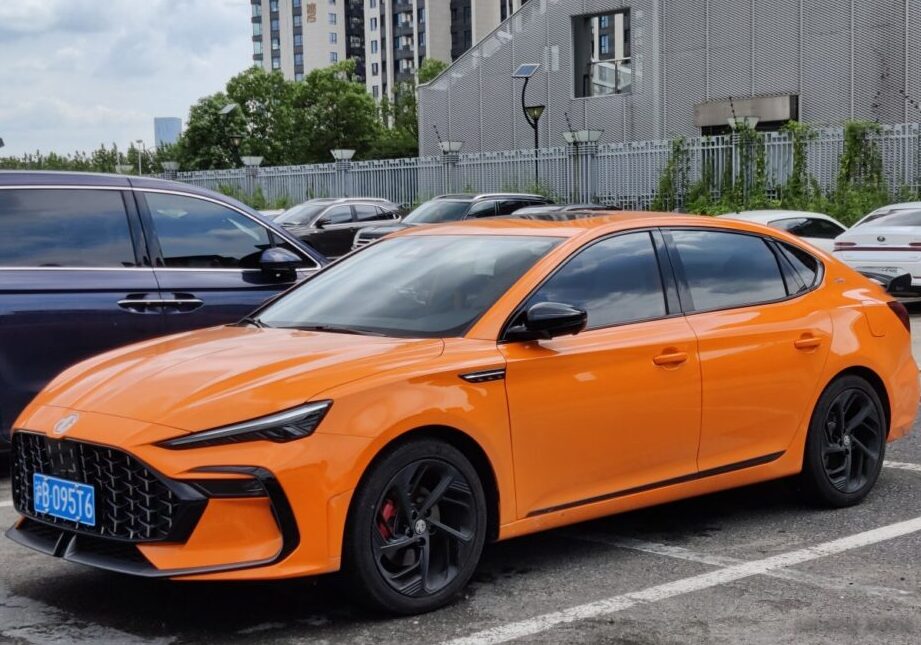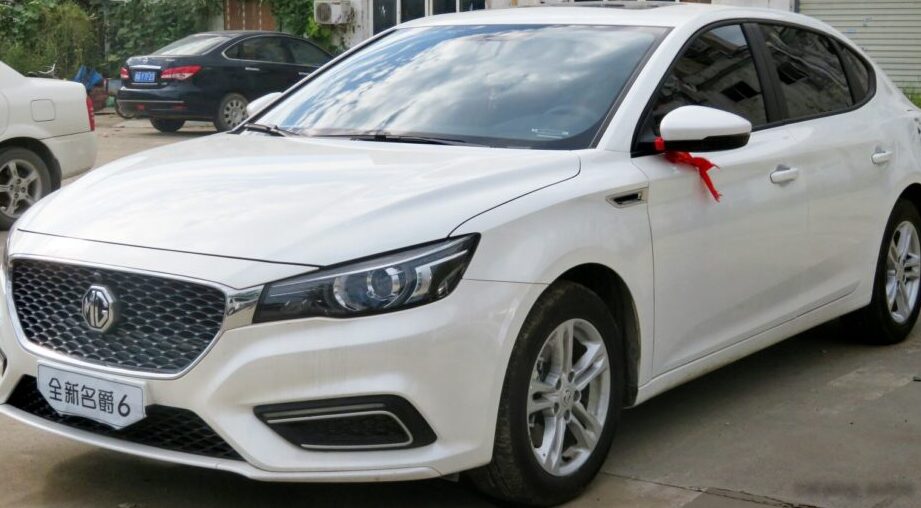
The MG6 II 1.5 TGI (169 Hp) DCT, produced from November 2017 to July 2020, represents MG Motor’s attempt to re-establish itself in the competitive compact car segment. This liftback model, part of the MG6 II generation, was primarily aimed at the Chinese market, though limited exports occurred. It offered a blend of modern styling, technology, and a turbocharged engine paired with a dual-clutch transmission, positioning itself as a value-oriented alternative to established European and Japanese rivals. The 1.5 TGI DCT trim occupied a mid-range position within the MG6 II lineup, offering a step up in performance from the base models while remaining more accessible than the higher-specification trims.
Technical Specifications
| Brand | MG |
| Model | MG6 |
| Generation | MG6 II |
| Type (Engine) | 1.5 TGI (169 Hp) DCT |
| Start of production | November, 2017 |
| End of production | July, 2020 |
| Powertrain Architecture | Internal Combustion engine |
| Body type | Liftback |
| Seats | 5 |
| Doors | 5 |
| Fuel consumption (urban) | 8.4 l/100 km (28 US mpg, 33.6 UK mpg, 11.9 km/l) |
| Fuel consumption (extra urban) | 4.5 l/100 km (52.3 US mpg, 62.8 UK mpg, 22.2 km/l) |
| Fuel consumption (combined) | 5.9 l/100 km (39.9 US mpg, 47.9 UK mpg, 16.9 km/l) |
| Fuel Type | Petrol (Gasoline) |
| Maximum speed | 210 km/h (130.49 mph) |
| Emission standard | China VI |
| Weight-to-power ratio | 7.9 kg/Hp, 126.6 Hp/tonne |
| Weight-to-torque ratio | 5.3 kg/Nm, 187.3 Nm/tonne |
| Power | 169 Hp @ 5500 rpm |
| Power per litre | 113.4 Hp/l |
| Torque | 250 Nm @ 1700-4300 rpm (184.39 lb.-ft. @ 1700-4300 rpm) |
| Engine layout | Front, Transverse |
| Engine Model/Code | 15E4E |
| Engine displacement | 1490 cm3 (90.93 cu. in.) |
| Number of cylinders | 4 |
| Engine configuration | Inline |
| Number of valves per cylinder | 4 |
| Fuel injection system | Direct injection |
| Engine aspiration | Turbocharger, Intercooler |
| Valvetrain | DOHC |
| Engine oil capacity | 4 l (4.23 US qt | 3.52 UK qt) |
| Coolant capacity | 5.4 l (5.71 US qt | 4.75 UK qt) |
| Kerb Weight | 1335 kg (2943.17 lbs.) |
| Trunk (boot) space – minimum | 499 l (17.62 cu. ft.) |
| Trunk (boot) space – maximum | 1383 l (48.84 cu. ft.) |
| Fuel tank capacity | 50 l (13.21 US gal | 11 UK gal) |
| Length | 4695 mm (184.84 in.) |
| Width | 1848 mm (72.76 in.) |
| Height | 1462 mm (57.56 in.) |
| Wheelbase | 2715 mm (106.89 in.) |
| Drivetrain Architecture | Front wheel drive |
| Number of gears and type of gearbox | 7 gears, automatic transmission DCT |
| Front suspension | Independent type McPherson |
| Rear suspension | Independent multi-link suspension |
| Front brakes | Ventilated discs |
| Rear brakes | Disc |
| Tire size | 215/50 R17; 225/45 R18 |
| Wheel rims size | 17; 18 |
Powertrain & Engine Architecture
The MG6 II 1.5 TGI DCT is powered by the 15E4E engine, a 1.5-liter turbocharged inline-four cylinder gasoline engine. This engine utilizes direct fuel injection and a double overhead camshaft (DOHC) valvetrain, contributing to its relatively high power output for its displacement. The turbocharger, coupled with an intercooler, helps to mitigate turbo lag and maintain consistent power delivery. The engine produces 169 horsepower at 5500 rpm and 250 Nm (184 lb-ft) of torque between 1700 and 4300 rpm. This broad torque curve is a key characteristic of the engine, providing good responsiveness in everyday driving situations. The engine also features a Start & Stop system to improve fuel efficiency in city driving.
The engine is paired with a 7-speed dual-clutch transmission (DCT). DCTs offer faster and smoother gear changes compared to traditional automatic transmissions, contributing to improved acceleration and a more engaging driving experience. The DCT in the MG6 II is tuned for a balance between performance and fuel economy, with gear ratios optimized for both city and highway driving.
Driving Characteristics
The 1.5 TGI DCT variant of the MG6 II delivers a respectable driving experience. The turbocharger provides a noticeable boost in power, allowing for brisk acceleration. While not a sports car, the combination of 169 hp and the quick-shifting DCT makes the car feel adequately powered for most driving scenarios. The DCT transmission contributes to a more refined feel compared to a continuously variable transmission (CVT), which was offered on some other MG6 II trims. However, some drivers have reported occasional hesitation or jerkiness from the DCT at low speeds. The suspension setup, featuring independent McPherson struts at the front and a multi-link setup at the rear, provides a comfortable ride quality, absorbing bumps and imperfections in the road surface effectively. Steering feel is generally light and precise, making the car easy to maneuver in urban environments.
Equipment & Trim Levels
The 1.5 TGI DCT trim of the MG6 II typically included standard features such as air conditioning, power windows and mirrors, a touchscreen infotainment system with Bluetooth connectivity, and basic safety equipment like ABS and airbags. Higher trim levels added features like leather upholstery, a sunroof, automatic climate control, and advanced driver-assistance systems. The interior design was generally modern and functional, with a focus on providing a comfortable and spacious cabin for passengers. The liftback body style offers good practicality, with a generous trunk space that can be expanded by folding down the rear seats.
Chassis & Braking
The MG6 II utilizes a front-wheel-drive layout. The front suspension employs independent McPherson struts, while the rear suspension features an independent multi-link design. This setup aims to provide a balance between ride comfort and handling performance. The braking system consists of ventilated discs at the front and solid discs at the rear, providing adequate stopping power for the vehicle’s weight and performance. Anti-lock braking system (ABS) is standard, enhancing safety during emergency braking situations. The steering system is a rack and pinion type with electric power steering, offering light and precise steering feel.
Market Reception & Comparison
The MG6 II 1.5 TGI DCT received mixed reviews from automotive critics. While praised for its value proposition and modern features, it was often criticized for its build quality and refinement compared to established rivals from brands like Volkswagen, Toyota, and Honda. Fuel economy was generally considered to be competitive, with the combined fuel consumption of 5.9 l/100 km (39.9 US mpg) being a strong point. Compared to the base MG6 II models with smaller engines, the 1.5 TGI DCT offered a significant performance upgrade. However, it was less powerful and more expensive than the top-of-the-line trims with larger engines.
Legacy
The MG6 II 1.5 TGI DCT, while not a groundbreaking vehicle, played a role in MG’s efforts to rebuild its brand image and gain a foothold in the competitive automotive market. The 15E4E engine and DCT transmission have proven to be relatively reliable, although long-term durability data is still limited. On the used car market, the MG6 II 1.5 TGI DCT represents a relatively affordable option for buyers seeking a stylish and well-equipped compact car. However, potential buyers should be aware of the potential for occasional DCT issues and the generally lower build quality compared to some of its rivals.