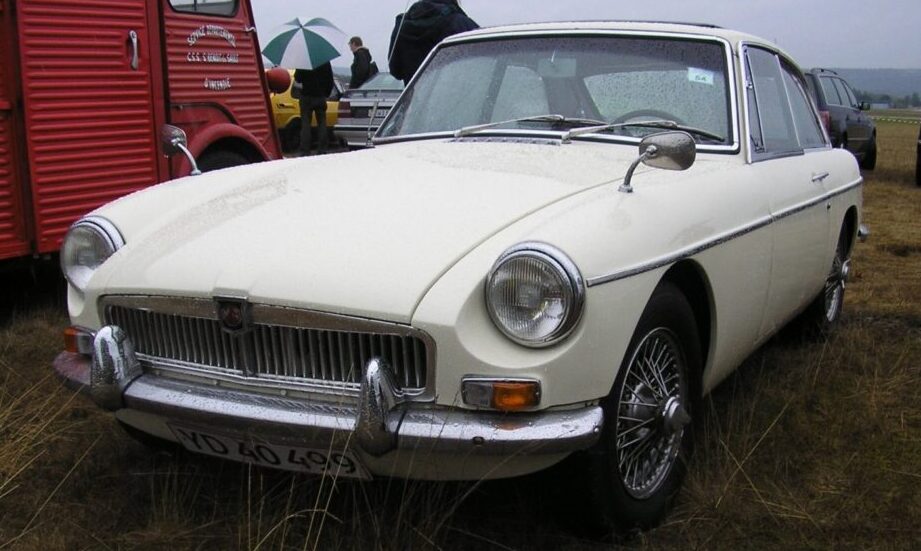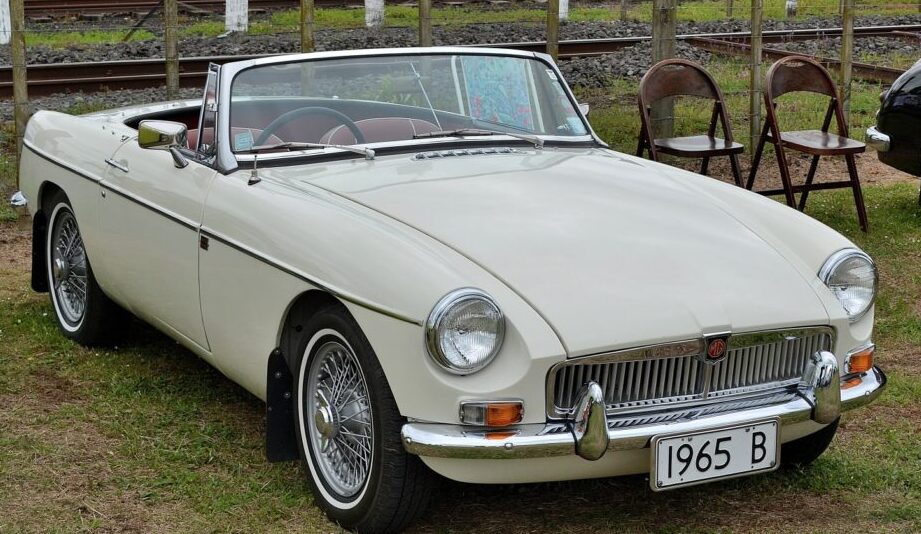
The MG MGB Cabriolet 1.8, producing 92 horsepower, represents a significant evolution in the long-running MGB series. Produced from 1966 through 1980, this variant occupied a middle ground in the MGB lineup, offering a balance between affordability and performance. It was part of the second generation of the MGB, often referred to as the “Chrome Bumper” model due to its distinctive exterior trim. The MGB, as a whole, was a hugely popular British sports car, designed to offer an accessible and enjoyable open-top motoring experience, primarily aimed at the North American and European markets. The 1.8-liter engine became the mainstay of the MGB range, and the Cabriolet body style was consistently the best-selling version.
Technical Specifications
| Brand | MG |
| Model | MGB |
| Generation | MGB Cabriolet |
| Type (Engine) | 1.8 (92 Hp) |
| Start of Production | 1966 |
| End of Production | 1980 |
| Powertrain Architecture | Internal Combustion Engine |
| Body Type | Cabriolet |
| Fuel Type | Petrol (Gasoline) |
| Engine Power | 92 Hp |
| Engine Aspiration | Naturally Aspirated |
Powertrain & Engine Architecture
The heart of the MGB 1.8 was the 1,798 cc (1.8L) inline-four cylinder engine. This engine, initially derived from the BMC B-Series, underwent several revisions throughout its production run. The 92 horsepower output was achieved through a combination of a slightly higher compression ratio, revised camshaft timing, and a larger Zenith-Stromberg carburetor (typically a 175CD). The engine featured a cast iron block and cylinder head, with a pushrod-operated overhead valve (OHV) valvetrain. While earlier MGBs offered a 1.6L engine, the 1.8L provided a noticeable increase in torque, making it more suitable for both city driving and longer journeys. The automatic transmission offered with this variant was a Borg-Warner Type 35 three-speed automatic. This transmission, while providing convenience, was known to slightly reduce overall performance compared to the available four-speed manual gearbox. The automatic’s torque converter did sap some power, but it broadened the car’s appeal to drivers who preferred ease of use over outright sporty driving.
Driving Characteristics
The MGB 1.8 Automatic offered a relaxed and comfortable driving experience. The automatic transmission eliminated the need for constant gear changes, making it ideal for cruising. However, the three-speed automatic’s gear ratios weren’t optimized for rapid acceleration. Acceleration from 0 to 60 mph was typically around 12-13 seconds, which was respectable for the era but slower than the manual transmission versions. The power delivery was relatively smooth, with peak torque arriving around 3,500 rpm. The automatic transmission did impact fuel economy, typically returning around 20-22 mpg in mixed driving conditions, slightly lower than the manual versions. Handling was typical of the MGB – nimble and responsive, but with a tendency towards understeer when pushed hard. The automatic transmission didn’t significantly detract from the car’s handling characteristics, but it did require a more cautious approach to cornering.
Equipment & Trim Levels
The MGB 1.8 Automatic typically came equipped with a fairly basic level of standard features. Interior upholstery was usually vinyl, with options for leather upgrades. Standard features included a wood-rimmed steering wheel, a heater, and basic instrumentation (speedometer, tachometer, fuel gauge, and temperature gauge). Optional extras included a radio, wire wheels, overdrive (on manual transmission models, not typically paired with the automatic), and a tonneau cover. The trim levels were relatively simple; the 1.8 Automatic generally sat in the middle of the range. It wasn’t as spartan as the base 1.6L models, but it lacked the more luxurious appointments of the later, fuel-injected versions. Interior trim colors varied, with popular choices including black, tan, and red.
Chassis & Braking
The MGB Cabriolet utilized a monocoque steel chassis, providing a good balance of strength and weight. The suspension consisted of independent front suspension with coil springs and a live axle rear suspension with leaf springs. The 1.8 models generally featured improved front disc brakes and rear drum brakes. The braking system was adequate for the car’s performance, but it lacked the stopping power of more modern vehicles. Stabilizer bars were fitted to both the front and rear axles, helping to reduce body roll during cornering. The steering was rack and pinion, providing precise and responsive handling. The standard wheel size was 14 inches, with steel wheels and hubcaps. Wire wheels were available as an optional extra, adding a touch of classic British style.
Market Reception & Comparison
The MGB 1.8 Automatic was generally well-received by critics and buyers alike. It was praised for its comfortable ride, stylish design, and relatively affordable price. However, the automatic transmission was sometimes criticized for its lack of responsiveness and its impact on fuel economy. Compared to the manual transmission versions, the automatic was seen as more suitable for leisurely cruising than for spirited driving. Compared to other British sports cars of the era, such as the Triumph TR6, the MGB was considered more refined and user-friendly. The MGB also competed with American sports cars like the Chevrolet Corvette, but it offered a more compact and nimble driving experience. The 1.8L engine was considered a significant improvement over the earlier 1.6L, providing more power and torque without sacrificing reliability.
Legacy
The MG MGB 1.8 Automatic has become a beloved classic car, with a strong following among enthusiasts. The B-Series engine is known for its durability and relative simplicity, making it relatively easy to maintain. However, like all classic British cars, the MGB is prone to rust, particularly in areas exposed to salt and moisture. The automatic transmission, while reliable, can require occasional servicing. Today, well-maintained MGB 1.8 Automatics command respectable prices in the used car market. They are often sought after by collectors and enthusiasts who appreciate their classic styling, comfortable ride, and relatively affordable running costs. The MGB remains a symbol of British motoring heritage and continues to provide enjoyment to drivers around the world. The 1.8 automatic, while not the most sought-after variant, offers a unique and accessible entry point into the world of classic MG ownership.