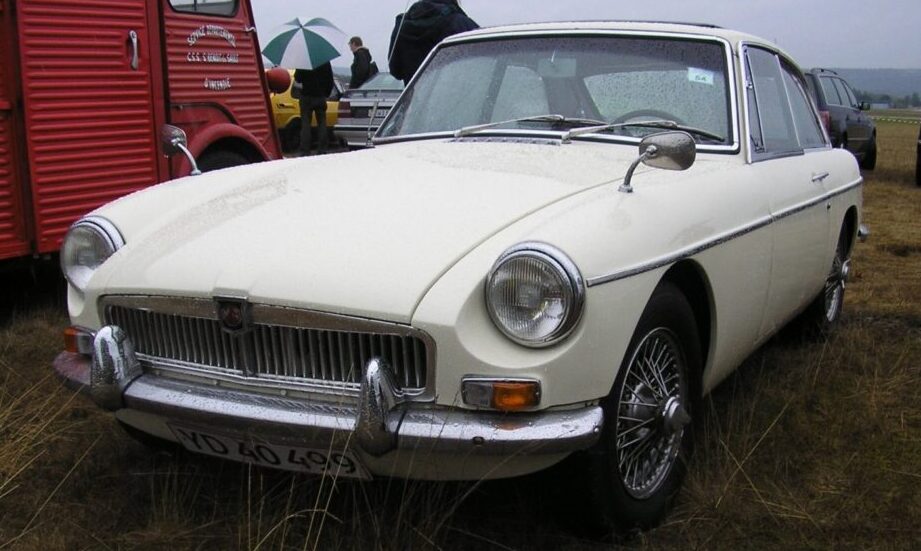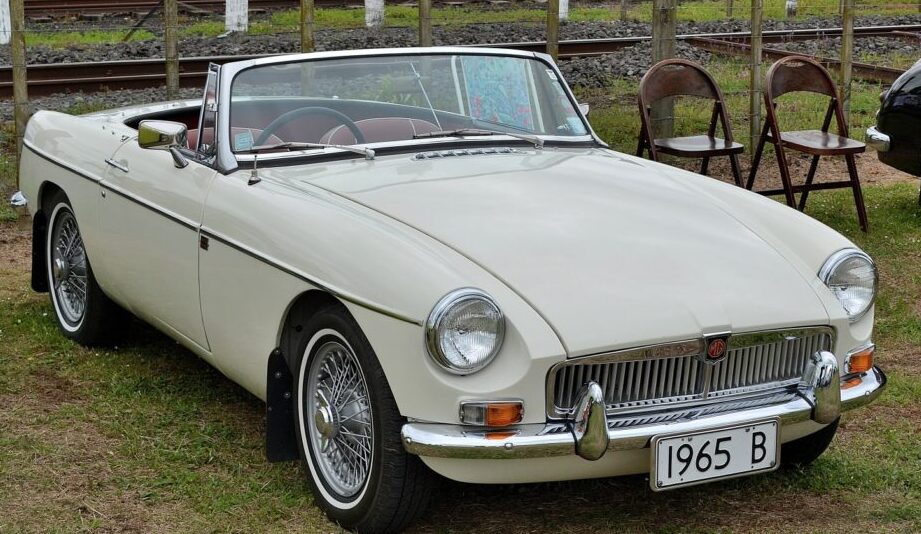
The MG MGB Cabriolet 1.8 (95 hp) represents a significant iteration within the iconic MGB lineage, produced from 1962 through 1980. This variant, powered by the venerable B-Series engine, occupied a sweet spot in the MGB range, offering a balance of performance and affordability. It was positioned as a more accessible entry point into the MGB experience compared to the later, more powerful models, while still delivering the classic British roadster feel. The MGB, as a whole, played a crucial role in keeping the open-top sports car tradition alive during a period when many manufacturers were moving away from this body style. This particular 1.8-liter version was a mainstay throughout much of the MGB’s production run, appealing to a broad spectrum of drivers.
Technical Specifications
| Brand | MG |
| Model | MGB |
| Generation | MGB Cabrio |
| Type (Engine) | 1.8 (95 Hp) |
| Start of production | 1962 |
| End of production | 1980 |
| Powertrain Architecture | Internal Combustion engine |
| Body type | Cabriolet |
| Seats | 2 |
| Doors | 2 |
| Fuel Type | Petrol (Gasoline) |
| Weight-to-power ratio | 9.7 kg/Hp, 103.1 Hp/tonne |
| Weight-to-torque ratio | 6.2 kg/Nm, 161.8 Nm/tonne |
| Power | 95 Hp @ 5400 rpm |
| Power per litre | 52.8 Hp/l |
| Torque | 149 Nm @ 3000 rpm, 109.9 lb.-ft. @ 3000 rpm |
| Engine layout | Front, Longitudinal |
| Engine Model/Code | B-Series |
| Engine displacement | 1798 cm3, 109.72 cu. in. |
| Number of cylinders | 4 |
| Engine configuration | Inline |
| Cylinder Bore | 80.26 mm, 3.16 in. |
| Piston Stroke | 88.9 mm, 3.5 in. |
| Compression ratio | 8.8:1 |
| Number of valves per cylinder | 2 |
| Fuel injection system | Carburettor |
| Engine aspiration | Naturally aspirated engine |
| Valvetrain | OHV |
| Engine oil capacity | 4.3 l, 4.54 US qt | 3.78 UK qt |
| Coolant | 5.6 l, 5.92 US qt | 4.93 UK qt |
| Kerb Weight | 921 kg, 2030.46 lbs |
| Fuel tank capacity | 45 l, 11.89 US gal | 9.9 UK gal |
| Length | 3891 mm, 153.19 in |
| Width | 1522 mm, 59.92 in |
| Height | 1278 mm, 50.31 in |
| Wheelbase | 2311 mm, 90.98 in |
| Front track | 1245 mm, 49.02 in |
| Rear (Back) track | 1251 mm, 49.25 in |
| Ride height (ground clearance) | 127 mm, 5 in |
| Minimum turning circle (turning diameter) | 9.8 m, 32.15 ft |
| Drivetrain Architecture | The Internal combustion engine (ICE) drives the rear wheels of the vehicle. |
| Drive wheel | Rear wheel drive |
| Number of gears and type of gearbox | 4 gears, manual transmission |
| Front suspension | Coil spring, Wishbone |
| Rear suspension | Leaf spring |
| Front brakes | Disc, 273 mm |
| Rear brakes | Drum |
| Steering type | Steering rack and pinion |
Powertrain & Engine Architecture
The heart of the MGB 1.8 is the MG B-Series engine, an inline-four cylinder unit displacing 1798cc. This engine, while seemingly simple by modern standards, was renowned for its durability and ease of maintenance. The 95 horsepower output was achieved through the use of a single Zenith-Stromberg carburetor, a common setup for the time. The engine employed an overhead valve (OHV) valvetrain, with two valves per cylinder. The B-Series engine’s longitudinal front-engine layout contributed to the MGB’s balanced handling characteristics. The engine’s design prioritized low-end torque, making it suitable for relaxed cruising and everyday driving. Later versions of the MGB saw the introduction of fuel injection, but the carbureted 1.8 remained a popular choice throughout much of the production run.
Driving Characteristics
The 1.8-liter MGB Cabriolet offered a distinctly British driving experience. While not a powerhouse, the 95 hp engine provided adequate performance for spirited driving on winding roads. Acceleration was respectable, but the MGB truly shone in its handling. The rear-wheel drive configuration and relatively lightweight construction contributed to a nimble and engaging feel. The four-speed manual transmission, standard on this model, allowed drivers to fully exploit the engine’s powerband. Compared to later, more powerful MGB variants, the 1.8 offered a more forgiving and accessible driving experience, making it ideal for beginners or those seeking a classic roadster without overwhelming performance. The gear ratios were well-suited to the engine’s torque curve, providing good acceleration in lower gears and comfortable cruising at highway speeds.
Equipment & Trim Levels
The MGB Cabriolet 1.8 typically came equipped with basic, yet functional, features. Standard equipment included steel wheels, a wood-rimmed steering wheel, and vinyl upholstery. Chrome bumpers and trim added a touch of elegance. Optional extras included wire wheels, a tonneau cover (a partial cover for the passenger seat), and upgraded interior trim options. The dashboard layout was simple and functional, with clearly marked gauges for speed, oil pressure, water temperature, and fuel level. The interior was designed for practicality rather than luxury, reflecting the MGB’s focus on providing an affordable and enjoyable driving experience.
Chassis & Braking
The MGB Cabriolet utilized a traditional body-on-frame construction, providing a robust and durable chassis. Front suspension consisted of coil springs and wishbones, while the rear suspension employed leaf springs. This setup provided a comfortable ride, although it wasn’t as sophisticated as independent rear suspension found on some contemporary sports cars. Braking duties were handled by disc brakes at the front and drum brakes at the rear. While adequate for the car’s performance, the braking system wasn’t particularly powerful by modern standards. The steering was a rack and pinion system, providing precise and responsive handling.
Market Reception & Comparison
The MGB 1.8 Cabriolet was generally well-received by automotive critics and enthusiasts. It was praised for its classic styling, engaging handling, and affordability. Compared to other sports cars of the era, such as the Triumph TR6 or the Austin-Healey 3000, the MGB offered a more accessible price point. The 1.8-liter engine provided a good balance of performance and fuel economy, making it a practical choice for everyday driving. However, some critics noted the relatively basic interior and the somewhat dated technology compared to newer models. Compared to the later MGB variants with larger engines, the 1.8 offered a more relaxed and forgiving driving experience, appealing to a wider range of drivers.
Legacy
The MG MGB 1.8 Cabriolet remains a beloved classic car today. Its simple design and robust construction have contributed to its longevity, with many examples still on the road. The B-Series engine is known for its reliability and ease of maintenance, making it a popular choice for restoration projects. The MGB’s enduring appeal lies in its ability to provide a genuine and engaging driving experience, reminiscent of a bygone era. In the used car market, well-maintained examples of the 1.8-liter Cabriolet command respectable prices, reflecting their status as a desirable classic. The MGB continues to be celebrated by enthusiasts around the world as a symbol of British motoring heritage.