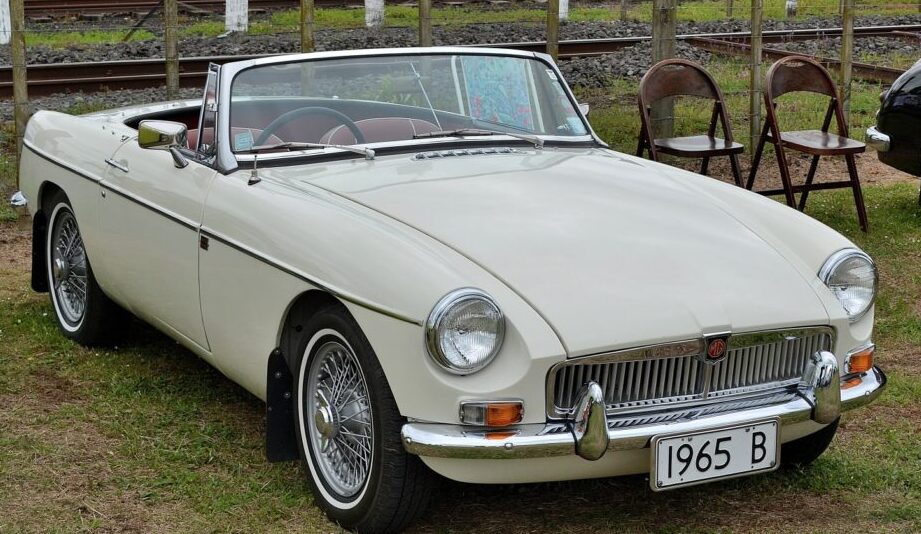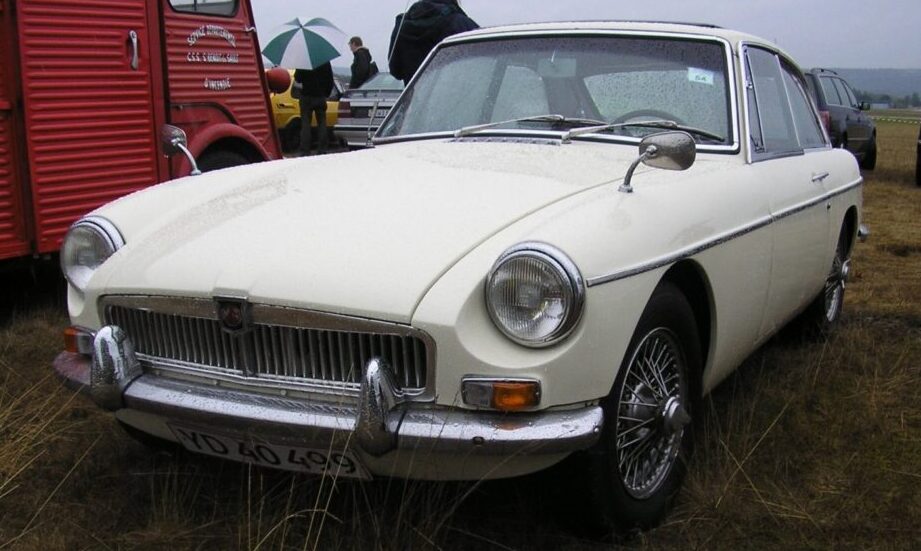
The MG B GT 1.8, producing 95 horsepower, represents a significant evolution within the iconic MGB lineage. Produced from 1966 through 1980, this variant of the MGB GT offered a blend of classic British sports car styling with a more potent engine option than the earlier 1.6-liter models. It occupied a middle ground in the MGB GT lineup, positioned above the base 1.6L and below the more performance-oriented V8 versions introduced later in the production run. The 1.8-liter engine aimed to provide a more relaxed and refined grand touring experience, particularly suited for longer journeys and American roads, where the MGB gained considerable popularity.
Technical Specifications
| Brand | MG |
| Model | MGB GT |
| Generation | MGB |
| Type (Engine) | 1.8 (95 Hp) |
| Start of Production | 1966 |
| End of Production | 1980 |
| Powertrain Architecture | Internal Combustion Engine |
| Body Type | Grand Tourer |
| Fuel Type | Petrol (Gasoline) |
| Engine Power | 95 Hp |
| Engine Aspiration | Naturally Aspirated |
| Engine Displacement | 1798 cc (1.8 Liters) |
| Cylinder Configuration | Inline-Four |
| Valves per Cylinder | 2 |
| Fuel System | SU Carburetors (typically twin HS6) |
| Transmission | 4-Speed Manual (most common), 3-Speed Automatic (optional) |
| Brakes (Front) | Disc |
| Brakes (Rear) | Drum |
| Suspension (Front) | Independent, Double Wishbone |
| Suspension (Rear) | Live Axle, Leaf Springs |
| Weight (approx.) | 2,160 lbs (980 kg) |
Powertrain & Engine Architecture
The heart of the MGB GT 1.8 is the 1798cc inline-four cylinder engine. This engine, often referred to as the “MGB 1800” engine, was a significant upgrade over the earlier 1.6-liter unit. It featured a larger bore and longer stroke, increasing displacement and subsequently, power output. The engine utilized a cast iron block and cylinder head, a common construction for the era, prioritizing durability and cost-effectiveness. Fuel delivery was handled by twin SU HS6 carburetors, requiring periodic tuning to maintain optimal performance. The valvetrain employed a single overhead camshaft operating two valves per cylinder.
While a four-speed manual transmission was the most common pairing for the 1.8-liter engine, a three-speed automatic transmission (sourced from Borg-Warner) was offered as an optional extra. This automatic option, while providing increased convenience, did come at the cost of some performance and fuel economy. The automatic transmission was geared towards a more relaxed driving experience, appealing to buyers who prioritized comfort over outright speed. The engine code for this variant is generally identified as 18V.
Driving Characteristics
The MGB GT 1.8 with the manual transmission offered a lively and engaging driving experience. The 95 horsepower, while not overwhelming by modern standards, was sufficient to provide brisk acceleration and a comfortable cruising speed. The engine produced a respectable amount of torque for its displacement, making it relatively flexible in everyday driving situations. The four-speed gearbox was known for its smooth operation and well-spaced gear ratios.
However, the automatic transmission version noticeably altered the driving character. Acceleration was slower, and the engine often felt strained when attempting to overtake or climb hills. The automatic’s gear ratios were not optimized for performance, and the lack of a fourth gear meant higher engine speeds at highway speeds. The automatic version was more suited for city driving and leisurely tours, where its convenience outweighed its performance shortcomings. The suspension, while providing a comfortable ride, could exhibit body roll in corners, typical of British sports cars of the period.
Equipment & Trim Levels
The MGB GT 1.8 typically came equipped with a well-appointed interior for its time. Standard features included comfortable bucket seats, a wood-rimmed steering wheel, and a comprehensive instrument panel displaying speed, tachometer, fuel level, coolant temperature, and oil pressure. The GT body style, with its fixed steel roof, offered improved security and weather protection compared to the roadster version. Interior trim options included various cloth and vinyl upholstery choices.
Optional extras included wire wheels, overdrive (for the manual transmission), a radio, and a heater. Later models saw the introduction of features like a more modern dashboard layout and improved seat designs. The trim level largely depended on the year of manufacture, with later models receiving more refinements. The 1.8 GT generally sat in the middle of the MGB GT range, offering a good balance of features and performance without the premium price tag of the V8 models.
Chassis & Braking
The MGB GT 1.8 utilized a traditional body-on-frame construction. The chassis featured independent front suspension with double wishbones and coil springs, providing a relatively comfortable ride. The rear suspension employed a live axle with leaf springs, a simpler and more robust design. Braking was handled by disc brakes on the front wheels and drum brakes on the rear. While adequate for the car’s performance, the braking system could feel somewhat underpowered by modern standards.
Stabilizer bars were fitted to both the front and rear axles, helping to reduce body roll during cornering. The steering was a rack and pinion system, providing precise and responsive handling. The overall chassis design prioritized ride comfort and handling balance, making the MGB GT a pleasant car to drive on a variety of roads.
Market Reception & Comparison
The MGB GT 1.8 was generally well-received by automotive critics. It was praised for its stylish design, comfortable interior, and improved performance compared to the earlier 1.6-liter models. However, the automatic transmission version was often criticized for its sluggish performance and reduced fuel economy. Compared to its siblings, the 1.8 GT offered a more refined and relaxed driving experience than the base 1.6L, while remaining more affordable and accessible than the high-performance V8 models.
Fuel economy was reasonable for the era, averaging around 25-30 mpg. Reliability was generally good, although the SU carburetors required regular maintenance and tuning. The MGB GT 1.8 proved to be a popular choice for buyers seeking a classic British sports car that was both stylish and practical.
Legacy
The MGB GT 1.8 remains a popular classic car today, cherished by enthusiasts for its timeless design and engaging driving experience. The 1.8-liter engine, while not the most powerful in the MGB lineup, is considered to be a reliable and relatively easy-to-maintain unit. Parts availability is generally good, thanks to a strong aftermarket support network. The automatic transmission versions, while less desirable to purists, offer a more accessible entry point into MGB ownership.
The MGB GT 1.8’s enduring appeal lies in its ability to capture the spirit of classic British motoring. It represents a sweet spot in the MGB range, offering a blend of performance, comfort, and style that continues to resonate with car enthusiasts today. Well-maintained examples command respectable prices in the used car market, reflecting their status as a desirable and iconic vehicle.