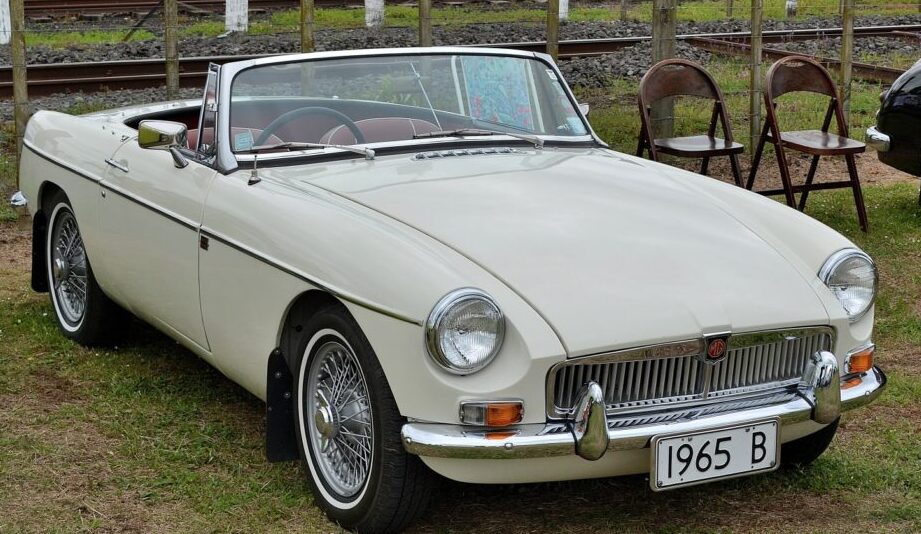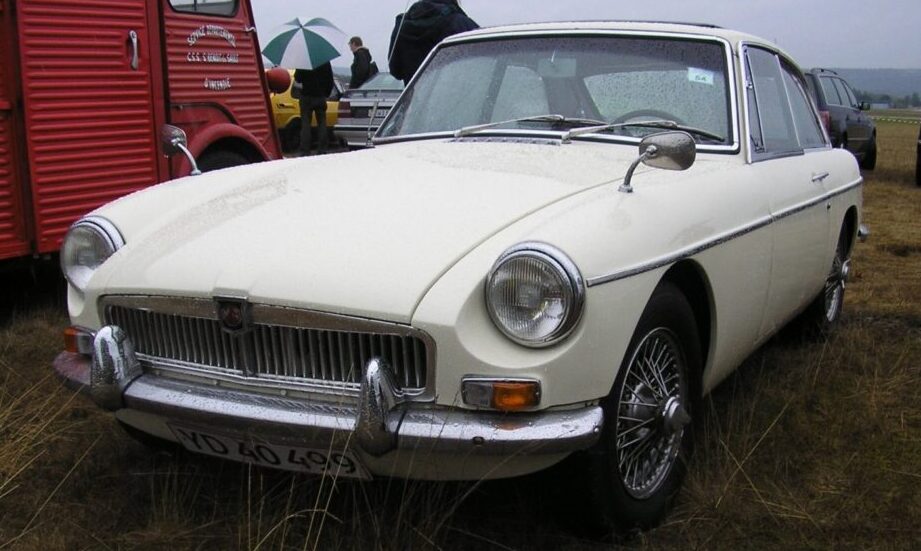
The MG B GT 3.5, produced between 1973 and 1976, represents a significant and relatively short-lived evolution of the iconic MGB. It was conceived as a response to increasing demands for more performance and a more refined driving experience in the classic British sports car. This variant, distinguished by its larger displacement V8 engine, aimed to bridge the gap between the standard MGB and more expensive grand touring cars of the era. While the original MGB had enjoyed considerable success, particularly in the North American market, its four-cylinder engine was beginning to feel underpowered to some buyers. The 3.5-liter V8 offered a substantial power increase, transforming the MGB GT into a genuine performance machine. Production numbers were limited, making it a relatively rare and sought-after classic today.
Technical Specifications
| Brand | MG |
| Model | MGB |
| Generation | MGB GT |
| Type (Engine) | 3.5 (137 Hp) |
| Start of Production | 1973 |
| End of Production | 1976 |
| Powertrain Architecture | Internal Combustion Engine |
| Body Type | Grand Tourer |
| Fuel Type | Petrol (Gasoline) |
| Engine Specs (Power) | 137 Hp |
| Engine Aspiration | Naturally Aspirated |
Powertrain & Engine Architecture
The heart of the MGB GT 3.5 is its 3.5-liter (3,528 cc) Rover V8 engine. This engine, derived from the Buick-Oldsmobile-Pontiac 215 cubic inch V8, was acquired by Rover in the early 1960s and subsequently refined. The MG version produced 137 horsepower at 5,200 rpm and 195 lb-ft of torque at 3,000 rpm. Unlike the standard MGB’s inline-four, the V8 is a pushrod engine with two valves per cylinder. Fuel delivery is managed by a Zenith-Stromberg carburetor, a common setup for British sports cars of the period. The engine is mated to a four-speed manual transmission with overdrive as standard equipment, although a three-speed automatic transmission was also offered, albeit less commonly. The V8’s installation required significant modifications to the MGB’s chassis and engine bay to accommodate its larger size and increased weight. These modifications included a reinforced chassis, altered suspension geometry, and a redesigned front valance to provide adequate cooling.
Driving Characteristics
The MGB GT 3.5 offers a markedly different driving experience compared to its four-cylinder siblings. The V8 provides significantly more power and torque, resulting in much quicker acceleration and improved cruising ability. The car feels considerably more relaxed at highway speeds, and the extra power makes overtaking maneuvers much safer and easier. The four-speed manual transmission with overdrive is well-suited to the engine’s characteristics, providing a good balance between performance and fuel economy. The overdrive allows for comfortable high-speed cruising with reduced engine noise and fuel consumption. While the added weight of the V8 (approximately 200 lbs more than the standard MGB) does slightly impact handling, the revised suspension geometry helps to mitigate this effect. The car still retains the nimble handling characteristics of the MGB, but with a more planted and stable feel. The automatic transmission version, while offering convenience, sacrifices some of the performance and driver engagement of the manual.
Equipment & Trim Levels
The MGB GT 3.5 was generally well-equipped for its time, although it wasn’t overly luxurious. Standard features included reclining bucket seats, a wood-rimmed steering wheel, and a comprehensive instrument panel with gauges for oil pressure, coolant temperature, and voltage. Wire wheels were standard, adding to the car’s classic British sports car aesthetic. Interior trim was typically leather or Ambla (a synthetic leather alternative). Optional extras included a sunroof, a radio, and upgraded upholstery. The 3.5 was positioned as the premium MGB GT variant, and as such, it received a higher level of standard equipment than the four-cylinder models. The interior trim was generally more refined, and the exterior featured unique badging to distinguish it from other MGBs.
Chassis & Braking
The MGB GT 3.5 utilizes a traditional body-on-frame construction. The chassis was reinforced to handle the increased power and torque of the V8 engine. The front suspension is independent with coil springs and wishbones, while the rear suspension is a live axle with leaf springs. The braking system consists of disc brakes on the front wheels and drum brakes on the rear wheels. The brakes were upgraded compared to the standard MGB to cope with the increased weight and performance. A servo-assisted braking system was standard. The steering is rack and pinion, providing precise and responsive handling. The suspension was tuned to provide a comfortable ride while maintaining good handling characteristics. The rear stabilizer bar was thicker than that found on the standard MGB, helping to reduce body roll during cornering.
Market Reception & Comparison
The MGB GT 3.5 was generally well-received by automotive critics. It was praised for its performance, refined driving experience, and classic British sports car styling. However, it was also criticized for its relatively high price compared to the standard MGB. The 3.5 was positioned as a competitor to other grand touring cars of the era, such as the Triumph TR6 and the Porsche 914. Compared to the standard MGB, the 3.5 offered significantly more power and torque, but it was also heavier and more expensive. Compared to the Triumph TR6, the MGB GT 3.5 offered a more refined and comfortable driving experience, but the TR6 had a more aggressive and sporty image. Fuel economy was understandably lower than the four-cylinder MGB, averaging around 18-22 mpg. Reliability was generally good, although the V8 engine required more frequent maintenance than the four-cylinder engine.
Legacy
The MGB GT 3.5 remains a highly desirable classic car today. Its rarity, combined with its performance and classic styling, makes it a sought-after collectible. The Rover V8 engine is known for its durability and relatively straightforward maintenance, although parts availability can sometimes be a challenge. The car’s value has steadily increased in recent years, reflecting its growing popularity among collectors and enthusiasts. The MGB GT 3.5 represents a unique and exciting chapter in the history of the MGB, and it continues to provide a rewarding driving experience for those who appreciate classic British sports cars. Well-maintained examples are often seen at classic car shows and rallies, and the car has a dedicated following of owners and enthusiasts around the world. The 3.5 variant is often considered the pinnacle of the MGB GT line, offering a compelling blend of performance, style, and British motoring heritage.