
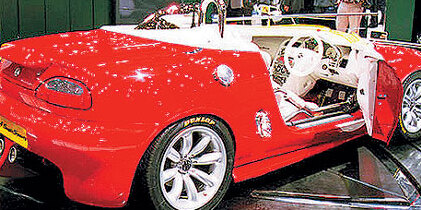
The MG MGF 1.8 i 16V, produced from 1995 to 2000, represents a pivotal moment in the revival of the MG marque. Positioned as the mid-range offering within the MGF lineup, it aimed to deliver a balance of performance and affordability in the burgeoning two-seater roadster market. The MGF, internally designated the RV8 during development, was MG’s first all-new roadster since the MGB, and utilized a mid-engine, rear-wheel-drive layout – a configuration relatively uncommon for British sports cars of the era. It was built on the ‘X10’ platform, later known as the MGF platform, and was intended to recapture the spirit of classic MG roadsters while incorporating modern technology.
Technical Specifications
| Brand | MG |
| Model | MGF |
| Generation | MGF |
| Type (Engine) | 1.8 i 16V (120 Hp) |
| Start of production | 1995 |
| End of production | 2000 |
| Powertrain Architecture | Internal Combustion engine |
| Body type | Cabriolet |
| Seats | 2 |
| Doors | 2 |
| Fuel Type | Petrol (Gasoline) |
| Acceleration 0 – 100 km/h | 9 sec |
| Acceleration 0 – 62 mph | 9 sec |
| Acceleration 0 – 60 mph | 8.6 sec |
| Maximum speed | 193 km/h (119.92 mph) |
| Weight-to-power ratio | 8.8 kg/Hp, 113.2 Hp/tonne |
| Weight-to-torque ratio | 6.6 kg/Nm, 150.9 Nm/tonne |
| Power | 120 Hp @ 5500 rpm |
| Power per litre | 66.9 Hp/l |
| Torque | 160 Nm @ 4000 rpm (118.01 lb.-ft. @ 4000 rpm) |
| Engine layout | Middle, Longitudinal |
| Engine displacement | 1795 cm3 (109.54 cu. in.) |
| Number of cylinders | 4 |
| Engine configuration | Inline |
| Cylinder Bore | 80 mm (3.15 in.) |
| Piston Stroke | 89.3 mm (3.52 in.) |
| Compression ratio | 10.5:1 |
| Number of valves per cylinder | 4 |
| Fuel injection system | Multi-port manifold injection |
| Engine aspiration | Naturally aspirated engine |
| Valvetrain | DOHC |
| Kerb Weight | 1060 kg (2336.9 lbs.) |
| Max. weight | 1320 kg (2910.1 lbs.) |
| Max load | 260 kg (573.2 lbs.) |
| Trunk (boot) space – maximum | 210 l (7.42 cu. ft.) |
| Fuel tank capacity | 50 l (13.21 US gal | 11 UK gal) |
| Length | 3920 mm (154.33 in.) |
| Width | 1630 mm (64.17 in.) |
| Height | 1260 mm (49.61 in.) |
| Wheelbase | 2375 mm (93.5 in.) |
| Front track | 1400 mm (55.12 in.) |
| Rear (Back) track | 1410 mm (55.51 in.) |
| Drivetrain Architecture | The Internal combustion engine (ICE) drives the rear wheels of the vehicle. |
| Drive wheel | Rear wheel drive |
| Number of gears and type of gearbox | 5 gears, manual transmission |
| Front suspension | Hydro-pneumatic element |
| Rear suspension | Hydro-pneumatic element |
| Front brakes | Disc |
| Rear brakes | Disc |
| Assisting systems | ABS (Anti-lock braking system) |
| Power steering | Hydraulic Steering |
| Tires size | 185/55 R15; 205/50 R15 |
Powertrain & Engine Architecture
The heart of the MGF 1.8 i 16V is the 1.8-liter, naturally aspirated inline-four cylinder engine. This engine, derived from the Rover K-Series, is a lightweight and compact unit known for its responsiveness. The specific engine code for this variant is often associated with the early K-Series iterations. It features a multi-port fuel injection system and a double overhead camshaft (DOHC) valvetrain, contributing to its relatively high power output for its displacement. The engine’s mid-engine placement and longitudinal configuration were key to achieving a balanced weight distribution. The five-speed manual transmission was the standard offering, providing a direct connection between the engine and the rear wheels. The K-Series engine, while generally reliable, was known to be sensitive to overheating if not properly maintained, particularly regarding head gasket integrity.
Driving Characteristics
The MGF 1.8 i 16V offered a distinctly sporty driving experience. With 120 horsepower and 118 lb-ft of torque, it wasn’t brutally fast, achieving 0-60 mph in around 8.6 seconds, but it was more than adequate for spirited driving on winding roads. The rear-wheel-drive layout provided a balanced feel, and the relatively light weight (around 2337 lbs) contributed to nimble handling. Compared to the later, more powerful MGF VVC (Variable Valve Control) models, the 1.8 i 16V felt less urgent in its acceleration, requiring more frequent gear changes to maintain momentum. However, this also made it more forgiving and accessible for less experienced drivers. The five-speed gearbox had relatively short ratios, encouraging the driver to keep the engine in its powerband.
Equipment & Trim Levels
The MGF 1.8 i 16V typically came equipped with a reasonable level of standard features. Interior appointments included cloth upholstery, a leather-wrapped steering wheel, and basic instrumentation. Power steering was standard, as was an anti-lock braking system (ABS). Optional extras included air conditioning, alloy wheels, a premium sound system, and a hardtop roof. The trim level was generally considered a step up from the base 1.6-liter model, offering a more refined interior and slightly more equipment. The MGF’s interior design was modern for its time, with a driver-focused layout and a relatively spacious cabin for a two-seater roadster.
Chassis & Braking
The MGF’s chassis was a steel monocoque construction, designed to be both lightweight and rigid. The suspension system utilized a unique hydro-pneumatic setup at all four corners, providing a comfortable ride and excellent handling characteristics. This system, similar to that found on Citroën vehicles, allowed for adjustable ride height and damping. The braking system consisted of disc brakes on all four wheels, providing adequate stopping power for the car’s weight and performance. The car’s relatively low center of gravity, thanks to the mid-engine layout, further enhanced its handling stability.
Market Reception & Comparison
The MGF 1.8 i 16V was generally well-received by automotive critics. It was praised for its handling, ride comfort, and stylish design. However, some critics noted the engine’s lack of outright power compared to some of its rivals, such as the Mazda MX-5. In terms of fuel economy, the MGF 1.8 i 16V achieved around 30-35 mpg in mixed driving. Compared to the 1.6-liter MGF, the 1.8 offered a noticeable performance improvement, while the VVC models provided even more power but at a higher price point. Reliability was generally good, although the K-Series engine’s potential for overheating remained a concern.
Legacy
The MG MGF, and specifically the 1.8 i 16V variant, holds a special place in the hearts of many British sports car enthusiasts. It represented a bold attempt to revive a beloved marque and offer a modern take on the classic roadster formula. While production ended in 2000, the MGF remains a popular choice in the used car market, offering an affordable and enjoyable driving experience. The K-Series engine, despite its potential issues, is relatively straightforward to maintain, and parts availability is generally good. Today, well-maintained examples of the MGF 1.8 i 16V are increasingly sought after by collectors and enthusiasts alike, ensuring its legacy as a significant chapter in MG’s history.
