
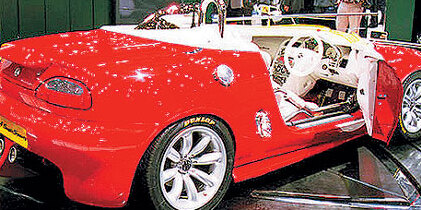
The MG MGF 1.8 i 16V, produced from 1995 to 2000, represents a pivotal moment in the revival of the MG marque. Positioned as the mid-range offering within the MGF lineup, it aimed to deliver a balance of performance and affordability in the burgeoning two-seater roadster market. The MGF, internally designated the RV8 during development, was MG’s first all-new roadster since the MGB, and it utilized a mid-engine, rear-wheel-drive layout – a configuration relatively uncommon for British sports cars of the era. It was built on the MGF platform, a monocoque chassis designed for both rigidity and lightweight construction. This variant, with its 1.8-liter engine and 16-valve head, became the most popular choice for buyers seeking a sporty and engaging driving experience.
Technical Specifications
| Brand | MG |
| Model | MGF |
| Generation | MGF |
| Type (Engine) | 1.8 i 16V (145 Hp) |
| Start of production | 1995 |
| End of production | 2000 |
| Powertrain Architecture | Internal Combustion engine |
| Body type | Cabriolet |
| Seats | 2 |
| Doors | 2 |
| Fuel Type | Petrol (Gasoline) |
| Acceleration 0 – 100 km/h | 7 sec |
| Acceleration 0 – 62 mph | 7 sec |
| Acceleration 0 – 60 mph | 6.7 sec |
| Maximum speed | 209 km/h (129.87 mph) |
| Weight-to-power ratio | 7.4 kg/Hp, 135.5 Hp/tonne |
| Weight-to-torque ratio | 6.1 kg/Nm, 162.6 Nm/tonne |
| Power | 145 Hp @ 7000 rpm |
| Power per litre | 80.8 Hp/l |
| Torque | 174 Nm @ 4500 rpm (128.34 lb.-ft. @ 4500 rpm) |
| Engine layout | Middle, Longitudinal |
| Engine displacement | 1795 cm3 (109.54 cu. in.) |
| Number of cylinders | 4 |
| Engine configuration | Inline |
| Compression ratio | 10:1 |
| Number of valves per cylinder | 4 |
| Fuel injection system | Multi-port manifold injection |
| Engine aspiration | Naturally aspirated engine |
| Kerb Weight | 1070 kg (2358.95 lbs) |
| Max. weight | 1320 kg (2910.1 lbs) |
| Max load | 250 kg (551.16 lbs) |
| Trunk (boot) space – maximum | 210 l (7.42 cu. ft.) |
| Fuel tank capacity | 50 l (13.21 US gal | 11 UK gal) |
| Length | 3920 mm (154.33 in) |
| Width | 1630 mm (64.17 in) |
| Height | 1260 mm (49.61 in) |
| Wheelbase | 2375 mm (93.5 in) |
| Front track | 1400 mm (55.12 in) |
| Rear (Back) track | 1410 mm (55.51 in) |
| Drivetrain Architecture | The Internal combustion engine (ICE) drives the rear wheels of the vehicle. |
| Drive wheel | Rear wheel drive |
| Number of gears and type of gearbox | 5 gears, manual transmission |
| Front suspension | Hydro-pneumatic element |
| Rear suspension | Hydro-pneumatic element |
| Front brakes | Disc |
| Rear brakes | Disc |
| Assisting systems | ABS (Anti-lock braking system) |
| Power steering | Hydraulic Steering |
| Tires size | 185/55 R15; 205/50 R15 |
Powertrain & Engine Architecture
The heart of the MGF 1.8 i 16V is the Rover K-Series engine, specifically the 1.8-liter (1795cc) variant. This engine, designated as the 18K4F0, is an inline-four cylinder unit featuring a 10:1 compression ratio and multi-port fuel injection. The 16-valve cylinder head, with four valves per cylinder, contributes to the engine’s relatively high specific output. The K-Series engine was known for its lightweight construction, utilizing a thin-walled block and aluminum cylinder head. While innovative, this design also made it susceptible to head gasket failures, a common issue that plagued early K-Series engines, though later revisions addressed many of these concerns. The engine’s 145 horsepower at 7000 rpm and 128.34 lb-ft of torque at 4500 rpm provided adequate power for the lightweight MGF. The standard transmission was a five-speed manual, though a four-speed automatic transmission was also offered, impacting performance and fuel economy.
Driving Characteristics
The MGF 1.8 i 16V offered a distinctly sporty driving experience. The mid-engine layout contributed to excellent balance and handling, making it a nimble and responsive car on winding roads. The 0-60 mph time of around 6.7 seconds was respectable for the era, and the car felt quicker than the numbers suggest due to its light weight. Compared to the base 1.6-liter MGF, the 1.8-liter offered a noticeable increase in power and torque, resulting in more effortless acceleration and improved cruising ability. The automatic transmission, while providing convenience, did diminish the sporty feel somewhat, with slightly slower gear changes and a less direct connection to the engine. The gear ratios were tuned for a balance of acceleration and fuel efficiency, but the automatic version often felt like it was hunting for the right gear, especially during spirited driving.
Equipment & Trim Levels
The MGF 1.8 i 16V typically came equipped with features such as power steering, ABS brakes, and alloy wheels. Interior appointments included cloth upholstery, a leather-wrapped steering wheel, and a basic stereo system. Optional extras included leather seats, air conditioning, a hardtop, and upgraded audio systems. The trim level sat in the middle of the MGF range, offering more features than the entry-level 1.6-liter model but falling short of the more luxurious and powerful MGF VVC (Variable Valve Control) variants. The dashboard layout was relatively simple and functional, with clearly marked gauges and easy-to-use controls.
Chassis & Braking
The MGF’s chassis was a monocoque construction, designed to provide both rigidity and lightweight. The suspension system utilized a sophisticated hydro-pneumatic setup, similar to that found on Citroën vehicles. This system offered a comfortable ride quality while maintaining good handling characteristics. The front suspension featured independent double wishbones, while the rear suspension employed a trailing arm design. Braking duties were handled by disc brakes on all four wheels, providing adequate stopping power. ABS was standard, enhancing safety and control during emergency braking situations. The relatively low weight of the MGF meant that the braking system was generally more than capable of handling the car’s performance.
Market Reception & Comparison
The MGF 1.8 i 16V was generally well-received by automotive critics. It was praised for its engaging handling, sporty driving experience, and attractive styling. However, the K-Series engine’s reliability issues were a recurring concern in reviews. Compared to the 1.6-liter MGF, the 1.8-liter offered a significant performance upgrade, making it the preferred choice for drivers who prioritized driving enjoyment. Against competitors like the Mazda MX-5 (Miata), the MGF offered a more comfortable ride and a more sophisticated interior, but the MX-5 was often considered to be more reliable and offered a more traditional roadster experience. Fuel economy was reasonable for a sports car of its era, averaging around 30-35 mpg.
Legacy
The MG MGF 1.8 i 16V remains a popular choice among enthusiasts today. While the K-Series engine’s potential for head gasket failure requires careful maintenance and monitoring, the car’s overall driving experience and unique styling continue to appeal to a dedicated following. Parts availability is generally good, and the MGF benefits from a strong owners’ club network. In the used car market, well-maintained examples of the 1.8 i 16V command a reasonable price, reflecting their desirability and the enduring appeal of the MGF as a modern classic roadster. The MGF, and particularly this 1.8L variant, represents a bold attempt by MG to recapture its sporting heritage and offer a compelling alternative in a competitive market.
