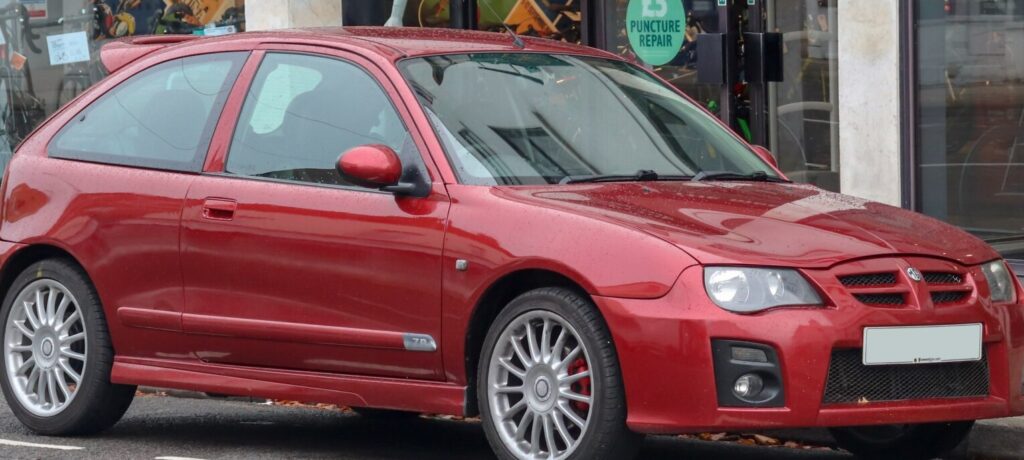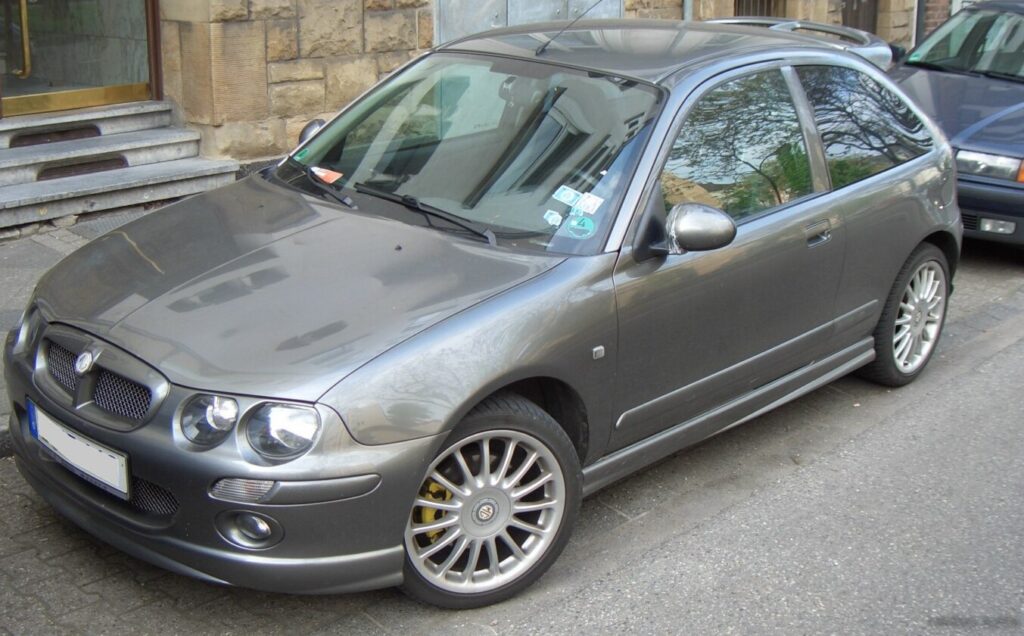
The MG ZR 1.8 i 16V, produced between 2001 and 2003, was a key variant within the ZR range, representing a performance-oriented offering in the compact hatchback segment. Positioned as a mid-range model, it aimed to bridge the gap between the entry-level 1.4-liter versions and the more potent, flagship models like the ZR 2.5 V6. Built upon the Rover/MG 75 platform (known internally as the X10), the ZR was intended to revitalize the MG brand with a focus on sporty handling and youthful appeal. This particular 1.8-liter, 16-valve engine paired with a five-speed manual transmission, was a popular choice for drivers seeking a balance of performance and affordability.
Technical Specifications
| Brand | MG |
| Model | ZR |
| Generation | ZR |
| Type (Engine) | 1.8 i 16V (160 Hp) |
| Start of production | 2001 |
| End of production | 2003 |
| Powertrain Architecture | Internal Combustion engine |
| Body type | Hatchback |
| Seats | 5 |
| Doors | 3/5 |
| Fuel consumption (urban) | 10.4 l/100 km (22.6 US mpg) |
| Fuel consumption (extra urban) | 5.8 l/100 km (40.6 US mpg) |
| Fuel consumption (combined) | 7.5 l/100 km (31.4 US mpg) |
| Fuel Type | Petrol (Gasoline) |
| Acceleration 0 – 100 km/h | 7.8 sec |
| Acceleration 0 – 62 mph | 7.8 sec |
| Acceleration 0 – 60 mph | 7.4 sec |
| Maximum speed | 210 km/h (130.49 mph) |
| Weight-to-power ratio | 6.8 kg/Hp |
| Weight-to-torque ratio | 6.3 kg/Nm |
| Power | 160 Hp @ 6900 rpm |
| Torque | 174 Nm @ 4700 rpm (128.34 lb.-ft. @ 4700 rpm) |
| Engine layout | Front, Transverse |
| Engine Model/Code | 18K4K |
| Engine displacement | 1796 cm3 (109.6 cu. in.) |
| Number of cylinders | 4 |
| Engine configuration | Inline |
| Cylinder Bore | 80 mm (3.15 in.) |
| Piston Stroke | 89.3 mm (3.52 in.) |
| Compression ratio | 10.5:1 |
| Number of valves per cylinder | 4 |
| Fuel injection system | Multi-port manifold injection |
| Engine aspiration | Naturally aspirated |
| Engine oil capacity | 4.5 l (4.76 US qt | 3.96 UK qt) |
| Kerb Weight | 1090 kg (2403.04 lbs.) |
| Max. weight | 1550 kg (3417.17 lbs.) |
| Max load | 460 kg (1014.13 lbs.) |
| Trunk (boot) space – minimum | 304 l (10.74 cu. ft.) |
| Trunk (boot) space – maximum | 1090 l (38.49 cu. ft.) |
| Fuel tank capacity | 50 l (13.21 US gal | 11 UK gal) |
| Length | 4011 mm (157.91 in.) |
| Width | 1690 mm (66.54 in.) |
| Height | 1400 mm (55.12 in.) |
| Wheelbase | 2502 mm (98.5 in.) |
| Front track | 1472 mm (57.95 in.) |
| Rear track | 1457 mm (57.36 in.) |
| Drivetrain Architecture | Front wheel drive |
| Number of gears | 5 |
| Gearbox type | Manual transmission |
| Front suspension | Spring Strut |
| Rear suspension | Coil spring |
| Front brakes | Ventilated discs |
| Rear brakes | Disc |
| Assisting systems | ABS (Anti-lock braking system) |
| Steering type | Steering rack and pinion |
| Power steering | Hydraulic |
| Tires size | 205/50 R15 |
Introduction
The MG ZR 1.8 i 16V, launched in 2001, was a significant model for MG, representing a concerted effort to modernize the brand and appeal to a younger demographic. Based on the Rover 75 platform – specifically the 1HX0/A3 series – the ZR was a three or five-door hatchback designed to offer a more dynamic driving experience than its Rover counterparts. The 1.8-liter engine variant occupied a crucial position in the lineup, offering a compelling blend of performance, fuel efficiency, and affordability. It was intended to attract buyers who desired more than the base 1.4-liter models but weren’t prepared to spend the extra money on the higher-performance 2.0-liter or V6 options.
Powertrain & Engine Architecture
The heart of the ZR 1.8 i 16V is the 18K4K engine, a naturally aspirated, 1.8-liter (1796cc) inline-four cylinder powerplant. This engine, derived from the K-Series engine family developed by Rover, featured a multi-port fuel injection system and a 10.5:1 compression ratio. The 16-valve cylinder head, with four valves per cylinder, contributed to its relatively high power output for its displacement. The engine produced 160 horsepower at 6900 rpm and 174 Nm (128.34 lb-ft) of torque at 4700 rpm. The five-speed manual transmission was the standard offering, providing a direct and engaging driving experience. The gearbox was known for its relatively short throws and precise shift action. The engine code ’18K4K’ is crucial for identifying specific parts and service information.
Driving Characteristics
The ZR 1.8 i 16V offered a noticeably more spirited driving experience compared to the lower-powered 1.4-liter models. Acceleration from 0 to 60 mph took approximately 7.4-7.8 seconds, making it competitive within its class. While not a sports car, the ZR 1.8 provided ample power for everyday driving and overtaking maneuvers. The five-speed manual transmission allowed drivers to effectively utilize the engine’s powerband. Compared to the 2.0-liter and V6 variants, the 1.8 felt less urgent in its acceleration, but it offered a better balance between performance and fuel economy. The gear ratios were tuned for a blend of responsiveness and cruising comfort. The relatively lightweight chassis contributed to its nimble handling characteristics.
Equipment & Trim Levels
The MG ZR 1.8 i 16V typically came equipped with a reasonable level of standard features. These included central locking, power steering, electric front windows, and an RDS stereo. Higher trim levels, such as the ‘SE’ and ‘TSE’ variants, added features like alloy wheels, air conditioning, upgraded upholstery, and a multi-function display. Interior upholstery was typically cloth, with options for leather available on higher-spec models. Optional extras included a sunroof, upgraded sound system, and metallic paint finishes. The dashboard layout was functional and driver-focused, with clear instrumentation.
Chassis & Braking
The ZR’s chassis featured independent front suspension with MacPherson struts and a coil-sprung rear axle. The front brakes were ventilated discs, providing good stopping power, while the rear brakes were solid discs. Anti-lock Braking System (ABS) was standard equipment, enhancing safety. The suspension was tuned for a sporty ride, offering a good balance between comfort and handling. Stabilizer bars were fitted to both the front and rear axles to reduce body roll during cornering. The ZR 1.8 i 16V’s weight of around 1090 kg (2403 lbs) contributed to its agile handling.
Market Reception & Comparison
The MG ZR 1.8 i 16V was generally well-received by automotive critics, who praised its sporty handling and engaging driving experience. It was often seen as a more appealing alternative to rivals like the Ford Focus and Vauxhall Astra. However, some criticisms were leveled at the interior quality and the perceived lack of refinement compared to some competitors. In terms of fuel economy, the 1.8-liter engine offered a reasonable compromise, achieving around 31.4 US mpg on the combined cycle. Compared to the 1.4-liter ZR, the 1.8 offered significantly improved performance, while the 2.0-liter and V6 models provided even more power but at a higher cost and with reduced fuel efficiency.
Legacy
The MG ZR, and specifically the 1.8 i 16V variant, has developed a loyal following among enthusiasts. The K-Series engine, while known for potential head gasket issues if not properly maintained, is generally considered a reliable unit when cared for. Today, well-maintained examples of the ZR 1.8 i 16V are becoming increasingly sought after by collectors and enthusiasts. Parts availability can be a challenge, but a dedicated network of MG specialists and online forums provides support for owners. The ZR represents a final flourish for the MG brand before its eventual demise, and the 1.8 i 16V remains a popular choice for those seeking a fun and affordable classic hatchback.