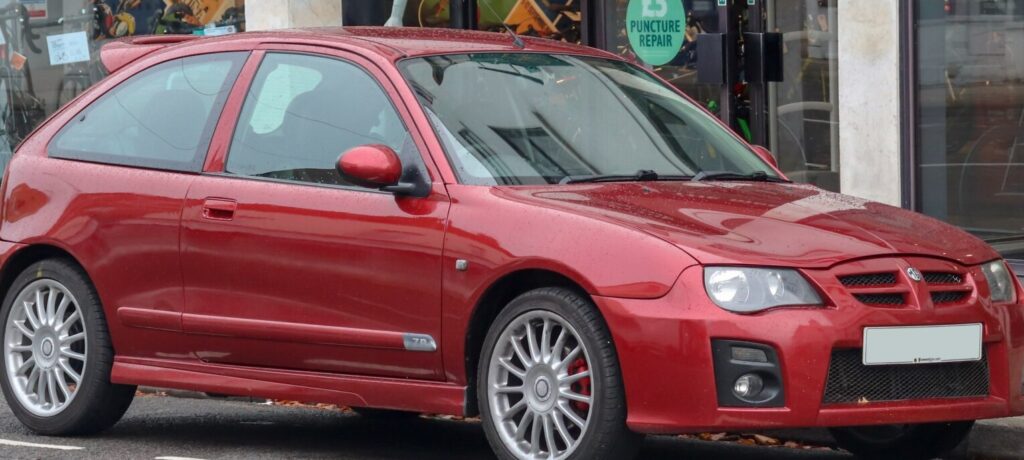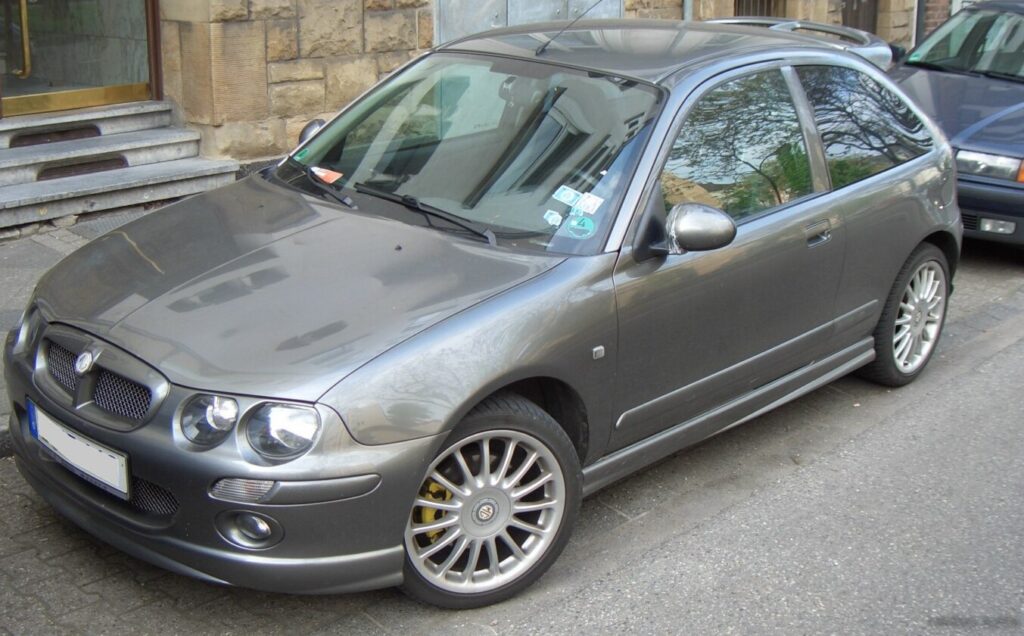
The MG ZR 2.0 TDi, produced between 2001 and 2003, represented a significant attempt by MG to offer a diesel-powered hot hatch within the compact segment. Positioned as a more economical alternative to the petrol-fueled ZR variants, the 2.0 TDi aimed to broaden the model’s appeal, particularly in European markets where diesel engines were gaining popularity. It was based on the Rover 75 platform (known internally as the X10), and shared many components with other models within the MG Rover group. This variant occupied a middle ground in the ZR lineup, offering a balance between performance and fuel efficiency, appealing to drivers seeking a practical yet engaging driving experience.
Technical Specifications
| Brand | MG |
| Model | ZR |
| Generation | ZR |
| Type (Engine) | 2.0 TDi (101 Hp) |
| Start of production | 2001 |
| End of production | 2003 |
| Powertrain Architecture | Internal Combustion engine |
| Body type | Hatchback |
| Seats | 5 |
| Doors | 3/5 |
| Fuel consumption (urban) | 7.2 l/100 km (32.7 US mpg) |
| Fuel consumption (extra urban) | 4.1 l/100 km (57.4 US mpg) |
| Fuel consumption (combined) | 5.2 l/100 km (45.2 US mpg) |
| Fuel Type | Diesel |
| Acceleration 0 – 100 km/h | 10.4 sec |
| Acceleration 0 – 62 mph | 10.4 sec |
| Acceleration 0 – 60 mph | 9.9 sec |
| Maximum speed | 183 km/h (113.71 mph) |
| Weight-to-power ratio | 11.2 kg/Hp |
| Weight-to-torque ratio | 4.7 kg/Nm |
| Power | 101 Hp @ 4200 rpm |
| Torque | 240 Nm @ 2000 rpm (177.01 lb.-ft. @ 2000 rpm) |
| Engine layout | Front, Transverse |
| Engine Model/Code | L / 20T2N |
| Engine displacement | 1994 cm3 (121.68 cu. in.) |
| Number of cylinders | 4 |
| Engine configuration | Inline |
| Cylinder Bore | 84.5 mm (3.33 in.) |
| Piston Stroke | 88.9 mm (3.5 in.) |
| Compression ratio | 19.5:1 |
| Number of valves per cylinder | 2 |
| Fuel injection system | Diesel Commonrail |
| Engine aspiration | Turbocharger, Intercooler |
| Engine oil capacity | 4.5 l (4.76 US qt | 3.96 UK qt) |
| Coolant capacity | 6.3 l (6.66 US qt | 5.54 UK qt) |
| Kerb Weight | 1130 kg (2491.22 lbs.) |
| Max. weight | 1600 kg (3527.4 lbs.) |
| Max load | 470 kg (1036.17 lbs.) |
| Trunk (boot) space – minimum | 304 l (10.74 cu. ft.) |
| Trunk (boot) space – maximum | 1090 l (38.49 cu. ft.) |
| Fuel tank capacity | 50 l (13.21 US gal | 11 UK gal) |
| Length | 4011 mm (157.91 in.) |
| Width | 1690 mm (66.54 in.) |
| Height | 1400 mm (55.12 in.) |
| Wheelbase | 2502 mm (98.5 in.) |
| Front track | 1472 mm (57.95 in.) |
| Rear track | 1457 mm (57.36 in.) |
| Drivetrain Architecture | Front wheel drive |
| Number of gears | 5 |
| Gearbox type | Manual transmission |
| Front suspension | Spring Strut |
| Rear suspension | Coil spring |
| Front brakes | Ventilated discs |
| Rear brakes | Disc |
| Assisting systems | ABS (Anti-lock braking system) |
| Steering type | Steering rack and pinion |
| Power steering | Hydraulic Steering |
| Tires size | 205/50 R16 |
INTRODUCTION
The MG ZR 2.0 TDi, launched in 2001 and continuing through 2003, was a key component of MG’s efforts to revitalize its image and appeal to a broader customer base. Built on the Rover 75 platform (X10), the ZR aimed to provide a sporty and affordable hatchback option. The 2.0 TDi variant specifically targeted buyers looking for the practicality of a diesel engine with the sporty styling of the ZR. Available in both 3-door and 5-door configurations, it was positioned as a competitor to other compact hatchbacks like the Ford Focus and Vauxhall Astra, offering a unique blend of British styling and European diesel technology.
Powertrain & Engine Architecture
At the heart of the ZR 2.0 TDi lies the L-series 2.0-liter turbocharged diesel engine, designated with the code 20T2N. This engine, while originating from Rover’s designs, benefited from significant updates including a common rail direct injection system. This system, supplied by Bosch, allowed for more precise fuel delivery, resulting in improved efficiency and reduced emissions. The engine produced 101 horsepower at 4200 rpm and a respectable 240 Nm (177 lb-ft) of torque at 2000 rpm. The engine featured a single overhead camshaft (SOHC) valvetrain with two valves per cylinder. The engine was transversely mounted, driving the front wheels. The ZR 2.0 TDi was exclusively offered with a five-speed manual transmission, chosen for its balance of cost and driver engagement. The gearbox was a standard unit, providing relatively short ratios geared towards maximizing the engine’s torque output.
Driving Characteristics
The driving experience in the ZR 2.0 TDi was characterized by its strong low-end torque. The 240 Nm of torque available from 2000 rpm provided brisk acceleration in everyday driving situations, making it well-suited for urban commutes and overtaking maneuvers. While not a particularly high-revving engine, it offered sufficient power for confident highway cruising. Compared to the petrol-powered ZR variants, the 2.0 TDi felt less eager to rev, but offered significantly better fuel economy. The five-speed manual transmission allowed drivers to effectively utilize the engine’s torque band, although the gear ratios weren’t particularly sporty. The overall feel was one of practicality and efficiency, rather than outright performance. The 0-60 mph time of around 9.9 seconds and a top speed of 113.71 mph were respectable for the era, but lagged behind the quicker petrol-powered ZR models.
Equipment & Trim Levels
The MG ZR 2.0 TDi typically came equipped with a reasonable level of standard features. Interior appointments included cloth upholstery, a basic stereo system, and power steering. Air conditioning was often included, but sometimes offered as an optional extra. Safety features included ABS brakes and a driver’s airbag. Higher trim levels, such as the ‘SE’ or ‘T’ variants, added features like alloy wheels, electric windows, and upgraded interior trim. Optional extras included a sunroof, upgraded sound system, and metallic paint finishes. The dashboard layout was typical of the Rover/MG design language of the time, featuring a relatively simple and functional design.
Chassis & Braking
The ZR 2.0 TDi utilized a MacPherson strut front suspension and a coil spring rear suspension. This setup provided a reasonable balance between ride comfort and handling. The front brakes were ventilated discs, while the rear brakes were solid discs. The suspension was tuned to provide a slightly firmer ride than the standard Rover 75, reflecting the ZR’s sporty aspirations. Stabilizer bars were fitted to both the front and rear axles to reduce body roll during cornering. The steering was a hydraulic power-assisted rack and pinion system, providing a reasonably direct and responsive feel.
Market Reception & Comparison
The MG ZR 2.0 TDi received mixed reviews from automotive critics. While the engine was praised for its fuel efficiency and torque, some reviewers found it to be somewhat noisy and lacking in refinement compared to some of its competitors. The ZR’s handling was generally well-received, but the interior was often criticized for its dated design and low-quality materials. Compared to the petrol-powered ZR variants, the 2.0 TDi offered significantly better fuel economy – around 45.2 US mpg combined – but at the expense of outright performance. The 2.0 TDi was also generally more reliable than some of the more complex petrol engines offered in the ZR range.
Legacy
The MG ZR 2.0 TDi, while not a massive sales success, remains a relatively affordable and practical used car today. The L-series diesel engine, when properly maintained, is known for its durability and longevity. However, potential buyers should be aware of common issues such as turbocharger failure and injector problems. The ZR 2.0 TDi represents a unique chapter in MG’s history, showcasing the brand’s attempt to embrace diesel technology and appeal to a wider range of buyers. Its blend of sporty styling, fuel efficiency, and affordability continues to attract a small but dedicated following of enthusiasts.