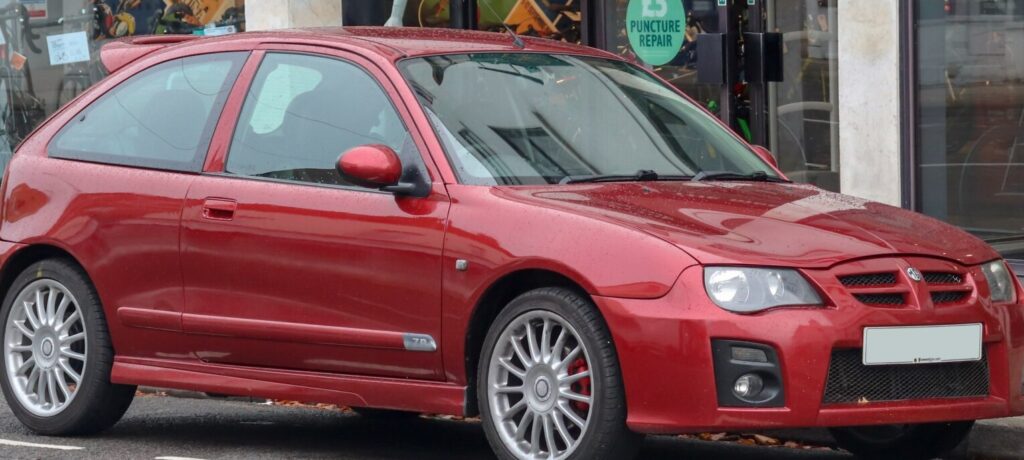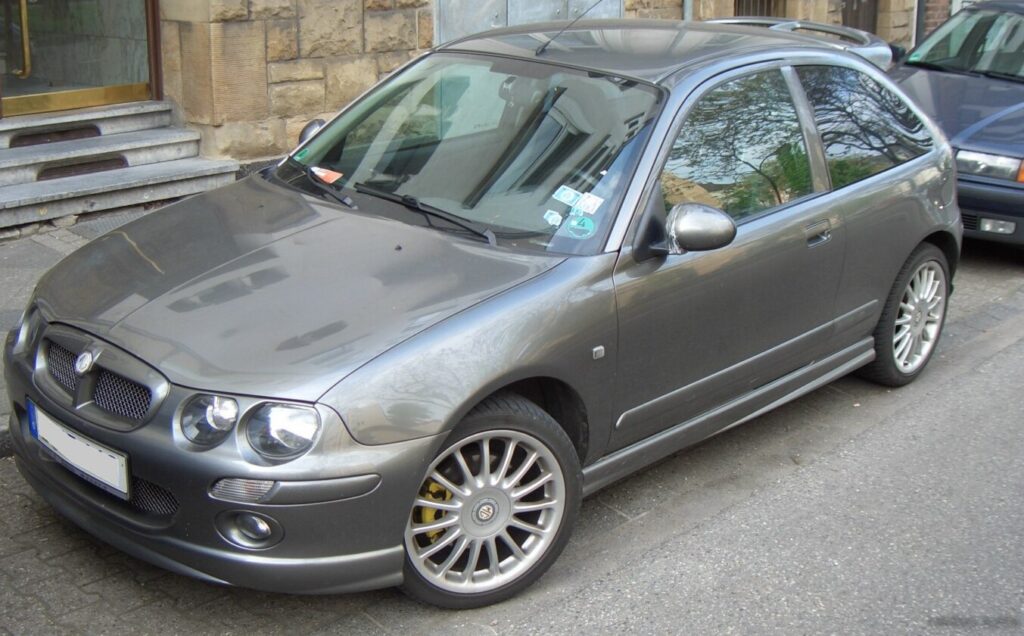
The MG ZR 2.0 TDi, produced between 2002 and 2003, represented a diesel-powered offering within the ZR range, a compact hatchback intended to revitalize the MG brand. Positioned as a more economical and torque-rich alternative to the petrol-powered ZRs, the 2.0 TDi aimed to appeal to drivers prioritizing fuel efficiency and practicality. It was part of the X10 generation ZR, which itself was based on the Rover 200 platform, inheriting much of its mechanical underpinnings. The ZR range, as a whole, was MG’s attempt to create a sporty and youthful image, and the 2.0 TDi, while not the most performance-focused variant, offered a compelling package for its target market.
Technical Specifications
| Brand | MG |
| Model | ZR |
| Generation | ZR |
| Type (Engine) | 2.0 TDi (113 Hp) |
| Start of production | 2002 |
| End of production | 2003 |
| Powertrain Architecture | Internal Combustion engine |
| Body type | Hatchback |
| Seats | 5 |
| Doors | 3/5 |
| Fuel consumption (urban) | 7.7 l/100 km (30.5 US mpg) |
| Fuel consumption (extra urban) | 4.2 l/100 km (56 US mpg) |
| Fuel consumption (combined) | 5.6 l/100 km (42 US mpg) |
| Fuel Type | Diesel |
| Acceleration 0 – 100 km/h | 10 sec |
| Acceleration 0 – 62 mph | 10 sec |
| Acceleration 0 – 60 mph | 9.5 sec |
| Maximum speed | 185 km/h (114.95 mph) |
| Weight-to-power ratio | 10.2 kg/Hp |
| Weight-to-torque ratio | 4.4 kg/Nm |
| Power | 113 Hp @ 4200 rpm |
| Torque | 260 Nm @ 2000 rpm (191.77 lb.-ft. @ 2000 rpm) |
| Engine layout | Front, Transverse |
| Engine Model/Code | L / 20T2N |
| Engine displacement | 1994 cm3 (121.68 cu. in.) |
| Number of cylinders | 4 |
| Engine configuration | Inline |
| Cylinder Bore | 84.5 mm (3.33 in.) |
| Piston Stroke | 88.9 mm (3.5 in.) |
| Compression ratio | 19.5:1 |
| Number of valves per cylinder | 2 |
| Fuel injection system | Diesel Commonrail |
| Engine aspiration | Turbocharger, Intercooler |
| Engine oil capacity | 4.5 l (4.76 US qt | 3.96 UK qt) |
| Coolant capacity | 6.3 l (6.66 US qt | 5.54 UK qt) |
| Kerb Weight | 1155 kg (2546.34 lbs.) |
| Max. weight | 1600 kg (3527.4 lbs.) |
| Max load | 445 kg (981.06 lbs.) |
| Trunk (boot) space – minimum | 304 l (10.74 cu. ft.) |
| Trunk (boot) space – maximum | 1090 l (38.49 cu. ft.) |
| Fuel tank capacity | 50 l (13.21 US gal | 11 UK gal) |
| Length | 4011 mm (157.91 in.) |
| Width | 1690 mm (66.54 in.) |
| Height | 1400 mm (55.12 in.) |
| Wheelbase | 2502 mm (98.5 in.) |
| Front track | 1472 mm (57.95 in.) |
| Rear track | 1457 mm (57.36 in.) |
| Drivetrain Architecture | Front wheel drive |
| Number of gears | 5 |
| Gearbox type | Manual transmission |
| Front suspension | Spring Strut |
| Rear suspension | Coil spring |
| Front brakes | Ventilated discs |
| Rear brakes | Disc |
| Assisting systems | ABS (Anti-lock braking system) |
| Steering type | Steering rack and pinion |
| Power steering | Hydraulic Steering |
| Tires size | 205/50 R16 |
Powertrain & Engine Architecture
The MG ZR 2.0 TDi was powered by the L-series 2.0-liter turbocharged diesel engine, specifically the 20T2N variant. This engine, originally developed by Rover and later refined by MG, featured a cast iron block and aluminum cylinder head. It utilized a common rail direct injection system, delivering fuel directly into the combustion chamber at high pressure for improved efficiency and reduced emissions. The engine produced 113 horsepower at 4200 rpm and a more substantial 260 Nm (191.77 lb-ft) of torque at just 2000 rpm. This torque output was a key selling point, providing strong low-end and mid-range acceleration. The engine also incorporated a turbocharger with an intercooler to boost power and efficiency. The ZR 2.0 TDi was exclusively offered with a five-speed manual transmission, chosen for its efficiency and driver engagement, although an automatic transmission was available on other ZR models.
Driving Characteristics
The 2.0 TDi ZR offered a distinctly different driving experience compared to the petrol-powered variants. While lacking the outright punch of the 1.8 or 2.0-liter petrol engines, the diesel provided a strong surge of torque from low revs, making it particularly well-suited to everyday driving and overtaking. The five-speed manual gearbox was well-matched to the engine’s characteristics, allowing drivers to keep the engine within its optimal torque band. The gear ratios were geared towards maximizing fuel economy, but still provided adequate acceleration. Compared to the more rev-happy petrol engines, the diesel required less frequent gear changes. Handling was typical of the ZR, with a relatively firm suspension setup providing decent body control, but it wasn’t as overtly sporty as some of its rivals.
Equipment & Trim Levels
The MG ZR 2.0 TDi typically came equipped with a reasonable level of standard equipment. This included central locking, power steering, electric front windows, and an RDS stereo. Higher trim levels, such as the + and SE variants, added features like alloy wheels, air conditioning, and upgraded interior trim. Interior upholstery was generally cloth, with options for leather available on higher-spec models. The dashboard layout was functional and driver-focused, with clear instrumentation. Optional extras included a sunroof, metallic paint, and upgraded sound systems.
Chassis & Braking
The ZR 2.0 TDi utilized the standard ZR chassis, featuring independent front suspension with MacPherson struts and a semi-independent torsion beam rear suspension. The front brakes were ventilated discs, providing good stopping power, while the rear brakes were solid discs. Anti-lock Braking System (ABS) was standard. The suspension was tuned to provide a balance between comfort and handling, with a slightly firmer setup than the contemporary Rover 200. Stabilizer bars were fitted to both the front and rear axles to reduce body roll during cornering.
Market Reception & Comparison
The MG ZR 2.0 TDi was generally well-received by critics as a practical and economical option within the ZR range. It was praised for its strong torque output and fuel efficiency, making it a good choice for high-mileage drivers. However, it was often criticized for lacking the sporty character of the petrol-powered variants. Compared to other diesel hatchbacks of the time, such as the Volkswagen Golf TDI and Ford Focus TDCi, the ZR 2.0 TDi offered a more affordable price point but lacked the refinement and brand prestige of its German rivals. Fuel economy figures were competitive, averaging around 42 US mpg on the combined cycle.
Legacy
The MG ZR 2.0 TDi, despite its short production run, has gained a following among enthusiasts. The L-series diesel engine, while not known for being the most sophisticated, is generally considered to be reliable and durable, provided it is properly maintained. Parts availability can be a challenge, as with all MG Rover vehicles, but a dedicated network of specialists and enthusiasts helps to keep these cars on the road. Today, the ZR 2.0 TDi represents an affordable and practical classic car, offering a unique blend of British styling and diesel efficiency. Its relative rarity and distinctive character make it an increasingly sought-after model among collectors and enthusiasts.