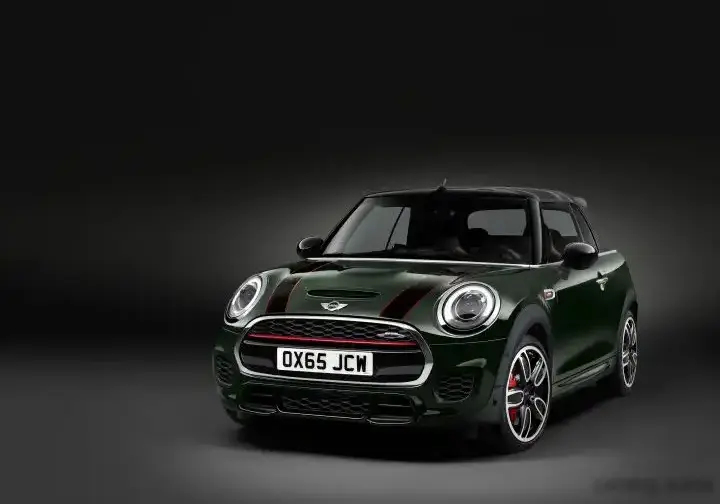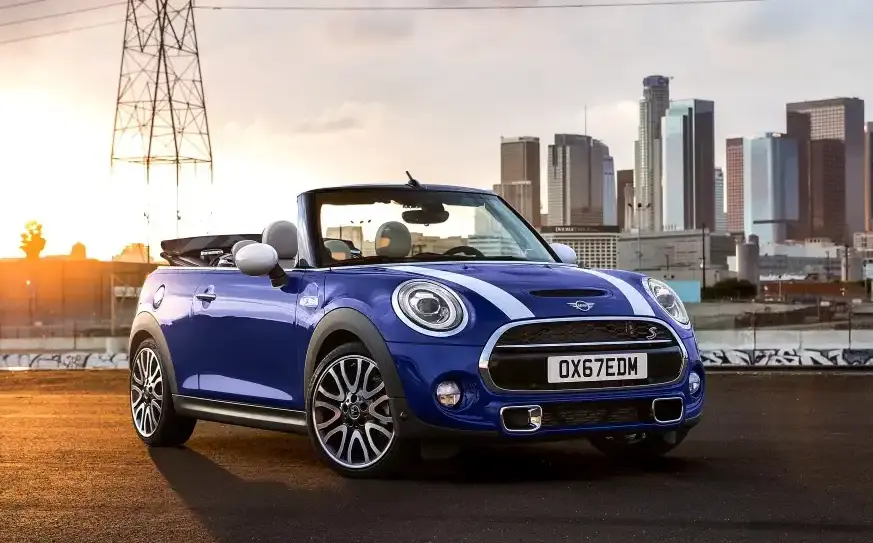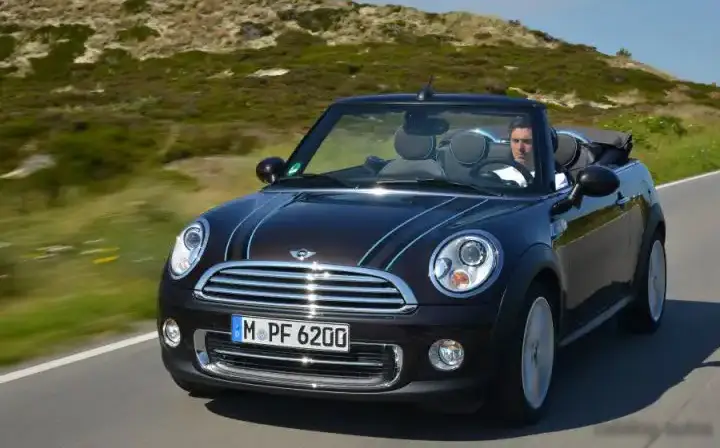
The Mini Convertible (R57) facelift, produced from 2011 to 2015, represented a mid-cycle refresh of the second-generation convertible model. The Cooper D 2.0 Automatic, powered by the N47C20A engine producing 112 horsepower, occupied a unique position within the lineup, offering a blend of fuel efficiency and open-air motoring. This variant was aimed at buyers seeking a more economical and relaxed driving experience compared to the petrol-powered Cooper S or the more performance-oriented John Cooper Works models. It served as a practical entry point into the Mini Convertible range for those prioritizing fuel economy and ease of use.
Technical Specifications
| Brand | Mini |
| Model | Convertible |
| Generation | Convertible (R57, Facelift 2011) |
| Type (Engine) | Cooper D 2.0 (112 Hp) Automatic |
| Start of production | 2011 |
| End of production | 2015 |
| Powertrain Architecture | Internal Combustion engine |
| Body type | Cabriolet |
| Seats | 4 |
| Doors | 2 |
| Fuel consumption (urban) | 7 l/100 km (33.6 US mpg, 40.4 UK mpg, 14.3 km/l) |
| Fuel consumption (extra urban) | 4.3 l/100 km (54.7 US mpg, 65.7 UK mpg, 23.3 km/l) |
| Fuel consumption (combined) | 5.3 l/100 km (44.4 US mpg, 53.3 UK mpg, 18.9 km/l) |
| CO2 emissions | 140 g/km |
| Fuel Type | Diesel |
| Acceleration 0 – 100 km/h | 10.7 sec |
| Acceleration 0 – 62 mph | 10.7 sec |
| Acceleration 0 – 60 mph | 10.2 sec |
| Maximum speed | 190 km/h (118.06 mph) |
| Emission standard | Euro 5 |
| Weight-to-power ratio | 10.9 kg/Hp, 91.4 Hp/tonne |
| Weight-to-torque ratio | 4.5 kg/Nm, 220.4 Nm/tonne |
| Power | 112 Hp @ 4000 rpm |
| Power per litre | 56.1 Hp/l |
| Torque | 270 Nm @ 1750-2250 rpm (199.14 lb.-ft. @ 1750-2250 rpm) |
| Engine layout | Front, Transverse |
| Engine Model/Code | N47C20A |
| Engine displacement | 1995 cm3 (121.74 cu. in.) |
| Number of cylinders | 4 |
| Engine configuration | Inline |
| Cylinder Bore | 84 mm (3.31 in.) |
| Piston Stroke | 90 mm (3.54 in.) |
| Compression ratio | 16.5:1 |
| Number of valves per cylinder | 4 |
| Fuel injection system | Diesel Commonrail |
| Engine aspiration | Turbocharger, Intercooler |
| Engine oil capacity | 5.2 l (5.49 US qt | 4.58 UK qt) |
| Coolant | 5.2 l (5.49 US qt | 4.58 UK qt) |
| Kerb Weight | 1225 kg (2700.66 lbs.) |
| Max. weight | 1655 kg (3648.65 lbs.) |
| Max load | 430 kg (947.99 lbs.) |
| Trunk (boot) space – minimum | 125 l (4.41 cu. ft.) |
| Trunk (boot) space – maximum | 660 l (23.31 cu. ft.) |
| Fuel tank capacity | 40 l (10.57 US gal | 8.8 UK gal) |
| Length | 3723 mm (146.57 in.) |
| Width | 1683 mm (66.26 in.) |
| Height | 1414 mm (55.67 in.) |
| Wheelbase | 2467 mm (97.13 in.) |
| Front track | 1459 mm (57.44 in.) |
| Rear (Back) track | 1467 mm (57.76 in.) |
| Ride height (ground clearance) | 139 mm (5.47 in.) |
| Minimum turning circle | 10.7 m (35.1 ft.) |
| Drivetrain Architecture | The Internal combustion engine (ICE) drives the front wheels of the vehicle. |
| Drive wheel | Front wheel drive |
| Number of gears and type of gearbox | 6 gears, automatic transmission |
| Front suspension | Independent, type McPherson with coil spring and anti-roll bar |
| Rear suspension | Independent multi-link suspension |
| Front brakes | Ventilated discs |
| Rear brakes | Disc |
| Assisting systems | ABS (Anti-lock braking system) |
| Steering type | Steering rack and pinion |
| Tires size | 175/65 R15 84H |
| Wheel rims size | 5.5J x 15 LM |
INTRODUCTION
The R57 Mini Convertible facelift, launched in 2011, brought subtle styling updates and improvements to the already popular second-generation convertible. The Cooper D 2.0 Automatic variant, powered by the BMW-sourced N47C20A diesel engine, was a key offering in the range. This model aimed to provide a more fuel-efficient and refined experience than its petrol counterparts, appealing to drivers who valued economy without sacrificing the fun-to-drive character associated with the Mini brand. It sat in the lower-mid range of the convertible lineup, above the base Cooper models but below the sportier Cooper S and JCW versions.
Powertrain & Engine Architecture
At the heart of the Cooper D 2.0 Automatic lies the N47C20A, a 2.0-liter inline-four cylinder diesel engine. This engine, a product of BMW’s engineering, utilizes a common rail direct injection system, delivering fuel at extremely high pressure for optimized combustion. The N47 engine is known for its relatively quiet operation and good fuel economy. A single turbocharger with an intercooler provides forced induction, boosting power and torque. The engine produces 112 horsepower at 4000 rpm and a respectable 270 Nm (199 lb-ft) of torque between 1750 and 2250 rpm. This torque band provides good low-end responsiveness, making it suitable for everyday driving. The engine features four valves per cylinder and a compression ratio of 16.5:1. The automatic transmission is a six-speed unit, offering smooth shifts and contributing to the car’s ease of use. While not a dual-clutch transmission, it was well-regarded for its reliability and responsiveness in this application.
Driving Characteristics
The Cooper D 2.0 Automatic offers a distinctly different driving experience compared to the more powerful Cooper S or the manual transmission versions. While it doesn’t deliver the same exhilarating acceleration, the abundant low-end torque makes it feel surprisingly sprightly in everyday driving situations. The automatic transmission provides seamless gear changes, enhancing comfort and ease of use, particularly in urban environments. Acceleration from 0-60 mph takes around 10.2 seconds, and the top speed is 190 km/h (118 mph). The gear ratios are tuned for fuel efficiency, meaning the engine doesn’t rev as high as in the petrol models. This results in a more relaxed driving experience, but can feel slightly less engaging for those seeking a sportier feel. Compared to the manual version, the automatic sacrifices some driver involvement but gains in convenience.
Equipment & Trim Levels
The Cooper D 2.0 Automatic typically came equipped with a reasonable level of standard features. These included air conditioning, power windows, power mirrors, a multi-function steering wheel, and a basic audio system. Interior upholstery was typically cloth, although leather options were available. The dashboard layout was characteristic of the R57 Mini, featuring a large central speedometer and a smaller gauge for fuel and temperature. Optional extras included a premium sound system, navigation, heated seats, and various styling packages. Chrome trim, sport seats, and different wheel designs were also available to personalize the vehicle.
Chassis & Braking
The R57 Mini Convertible utilized a McPherson strut front suspension and a multi-link rear suspension, providing a good balance between ride comfort and handling. The suspension was tuned to be slightly softer than the hardtop Mini, to compensate for the reduced structural rigidity of the convertible body. The Cooper D 2.0 Automatic featured ventilated disc brakes at the front and solid discs at the rear. ABS (Anti-lock Braking System) was standard. The car’s weight distribution was relatively balanced, contributing to its nimble handling characteristics. Stabilizer bars were fitted front and rear to reduce body roll during cornering.
Market Reception & Comparison
The Cooper D 2.0 Automatic was generally well-received by automotive critics as a practical and economical option within the Mini Convertible range. It was praised for its fuel efficiency, comfortable ride, and ease of use. However, some reviewers noted that it lacked the outright performance and driving excitement of the Cooper S models. Compared to the petrol-powered Cooper, the diesel offered significantly better fuel economy, making it a more attractive option for drivers covering long distances. Reliability was generally good, although the N47 engine was later subject to recalls related to timing chain issues in some markets.
Legacy
The Mini Convertible Cooper D 2.0 Automatic has proven to be a relatively reliable and durable vehicle. The N47 engine, despite some early concerns, has generally held up well over time, provided it has been properly maintained. In the used car market, these models represent a good value proposition for buyers seeking a stylish and economical convertible. They are often sought after by those who appreciate the Mini brand but prioritize fuel efficiency and practicality. The combination of a diesel engine, automatic transmission, and convertible body style makes this variant a unique and appealing option in the used car landscape.