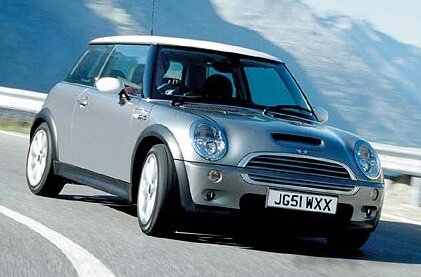
The Mini Hatch Cooper 1.6i 16V, produced between 2001 and 2006 as part of the R50/R53 generation, represented a significant revival of the iconic British marque under BMW ownership. This model, characterized by its retro styling and nimble handling, aimed to capture the spirit of the original Mini while incorporating modern engineering and safety features. The 116 horsepower variant occupied a key position in the lineup, serving as the entry point to the Cooper range and offering a balance between affordability and driving enjoyment. It was built on the BMW/Rover-derived 1HX0 platform, also known as the A3 platform, and quickly became a popular choice for those seeking a stylish and fun-to-drive compact car.
Technical Specifications
| Brand | Mini |
| Model | Hatch |
| Generation | Hatch (R50; R53) |
| Type (Engine) | Cooper 1.6 i 16V (116 Hp) |
| Start of production | 2001 |
| End of production | 2006 |
| Powertrain Architecture | Internal Combustion engine |
| Body type | Hatchback |
| Seats | 4 |
| Doors | 3 |
| Fuel consumption (urban) | 9.7 l/100 km (24.2 US mpg) |
| Fuel consumption (extra urban) | 5.3 l/100 km (44.4 US mpg) |
| Fuel consumption (combined) | 6.9 l/100 km (34.1 US mpg) |
| Fuel Type | Petrol (Gasoline) |
| Acceleration 0 – 100 km/h | 9.2 sec |
| Acceleration 0 – 62 mph | 9.2 sec |
| Acceleration 0 – 60 mph | 8.7 sec |
| Maximum speed | 200 km/h (124.27 mph) |
| Weight-to-power ratio | 9.7 kg/Hp |
| Weight-to-torque ratio | 7.5 kg/Nm |
| Power | 116 Hp @ 6000 rpm |
| Torque | 150 Nm @ 4500 rpm (110.63 lb.-ft. @ 4500 rpm) |
| Engine layout | Front, Transverse |
| Engine Model/Code | W10B16A |
| Engine displacement | 1598 cm3 (97.52 cu. in.) |
| Number of cylinders | 4 |
| Engine configuration | Inline |
| Cylinder Bore | 77 mm (3.03 in.) |
| Piston Stroke | 85.8 mm (3.38 in.) |
| Compression ratio | 10.6:1 |
| Number of valves per cylinder | 4 |
| Fuel injection system | Multi-port manifold injection |
| Engine aspiration | Naturally aspirated engine |
| Valvetrain | DOHC |
| Engine oil capacity | 4.5 l (4.76 US qt | 3.96 UK qt) |
| Coolant capacity | 5.3 l (5.6 US qt | 4.66 UK qt) |
| Kerb Weight | 1125 kg (2480.2 lbs.) |
| Max. weight | 1480 kg (3262.84 lbs.) |
| Max load | 355 kg (782.64 lbs.) |
| Trunk (boot) space – minimum | 150 l (5.3 cu. ft.) |
| Trunk (boot) space – maximum | 670 l (23.66 cu. ft.) |
| Fuel tank capacity | 50 l (13.21 US gal | 11 UK gal) |
| Length | 3626 mm (142.76 in.) |
| Width | 1688 mm (66.46 in.) |
| Height | 1408 mm (55.43 in.) |
| Wheelbase | 2467 mm (97.13 in.) |
| Front track | 1458 mm (57.4 in.) |
| Rear track | 1466 mm (57.72 in.) |
| Drivetrain Architecture | Front wheel drive |
| Number of gears | 5 |
| Gearbox type | Manual transmission |
| Front suspension | Spring Strut |
| Rear suspension | Coil spring |
| Front brakes | Ventilated discs |
| Rear brakes | Disc |
| Assisting systems | ABS (Anti-lock braking system) |
| Steering type | Steering rack and pinion |
| Power steering | Hydraulic Steering |
| Tires size | 175/65 R15 |
| Wheel rims size | 5.5J x 15 |
Powertrain & Engine Architecture
The heart of the Cooper 1.6i 16V was the W10B16A engine, a 1.6-liter inline-four cylinder powerplant. This engine, developed by BMW after acquiring Rover, featured a single overhead camshaft (SOHC) design with four valves per cylinder (DOHC). It utilized a multi-port fuel injection system, delivering fuel directly into the intake ports, and a relatively high compression ratio of 10.6:1 for improved efficiency and power output. The engine produced 116 horsepower at 6000 rpm and 150 Nm (110.63 lb-ft) of torque at 4500 rpm. This power was then sent to the front wheels through a standard five-speed manual transmission. An optional continuously variable transmission (CVT) was also available, though less common. The engine’s design prioritized responsiveness and a characterful exhaust note, aligning with the Mini’s intended driving experience.
Driving Characteristics
The 1.6-liter engine, paired with the five-speed manual transmission, provided a lively and engaging driving experience. While not exceptionally quick – 0-60 mph in around 8.7 seconds – the engine felt eager and rev-happy. The gear ratios were well-matched, allowing for brisk acceleration in everyday driving situations. Compared to the more powerful Cooper S variant, the 1.6i offered a more relaxed and fuel-efficient driving experience. The Cooper S, with its supercharged engine, delivered significantly more power and torque, but at the expense of fuel economy and a more aggressive driving style. The 1.6i’s lighter weight and balanced chassis contributed to its nimble handling, making it a joy to drive on winding roads. The optional CVT, while offering smooth acceleration, diminished the engaging feel of the manual transmission.
Equipment & Trim Levels
The Cooper 1.6i 16V came reasonably well-equipped as standard. Interior features typically included cloth upholstery, a leather-wrapped steering wheel, and air conditioning. Standard safety equipment included ABS brakes, front airbags, and side impact protection. Optional extras included a panoramic sunroof, sport seats, alloy wheels, and a premium sound system. Trim levels were relatively simple, with most customization options available as individual add-ons. The interior design retained the retro theme of the exterior, with large, centrally-mounted speedometer and a minimalist dashboard layout.
Chassis & Braking
The R50 Mini utilized a MacPherson strut front suspension and a multi-link rear suspension, providing a comfortable yet sporty ride. The chassis was designed to be rigid and responsive, contributing to the car’s excellent handling characteristics. The front brakes were ventilated discs, providing ample stopping power, while the rear brakes were solid discs. The steering was a hydraulic power-assisted rack and pinion system, offering precise and communicative steering feel. The standard tire size was 175/65 R15, providing a good balance between grip and ride comfort.
Market Reception & Comparison
The Mini Hatch Cooper 1.6i 16V was generally well-received by automotive critics. It was praised for its stylish design, nimble handling, and fun-to-drive character. However, some critics noted that the engine could feel underpowered, particularly when fully loaded or on steep inclines. Compared to other cars in its class, such as the Volkswagen Polo and the Ford Fiesta, the Mini offered a more premium and distinctive driving experience. Fuel economy was respectable, averaging around 34.1 US mpg in combined driving. Reliability was generally good, although some owners reported minor issues with the electrical system.
Legacy
The R50/R53 Mini Cooper 1.6i 16V remains a popular choice in the used car market today. Its combination of style, handling, and affordability has made it a sought-after vehicle for enthusiasts and everyday drivers alike. The W10B16A engine is known for its durability and relatively low maintenance costs, although regular servicing is essential to ensure long-term reliability. Parts availability is generally good, thanks to the Mini’s widespread popularity. The 1.6i variant represents a sweet spot in the R50/R53 lineup, offering a balanced and enjoyable driving experience without the higher price tag of the Cooper S.