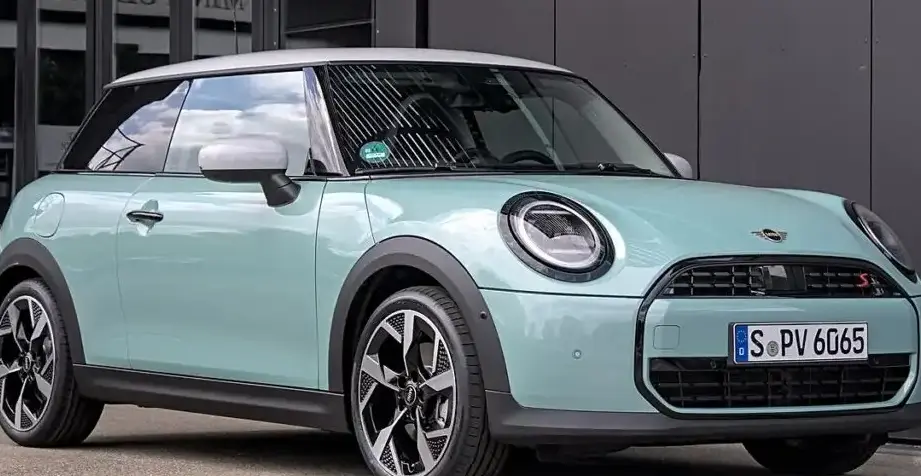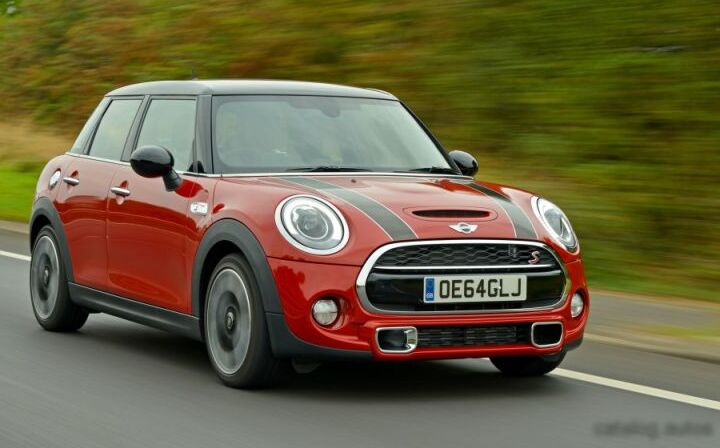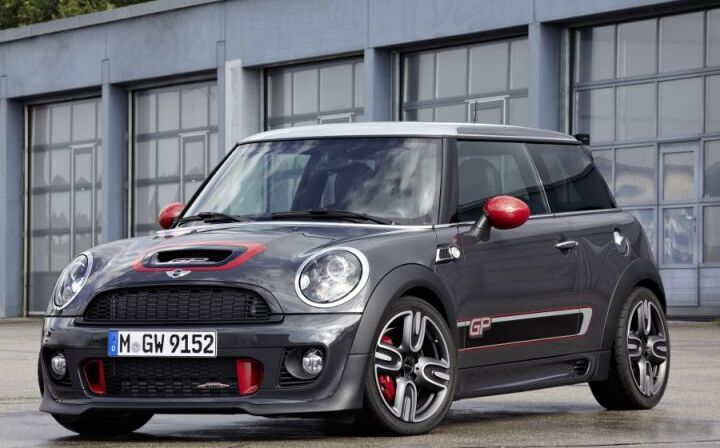
The Mini Hatch (R56) Cooper D 1.6 Automatic, produced between 2010 and 2013, represented a fuel-efficient entry point into the second-generation Mini lineup. Positioned as a diesel-powered alternative within the R56 series – which spanned from the base Cooper to the performance-oriented John Cooper Works models – this variant aimed to broaden the Mini’s appeal to buyers prioritizing economy and ease of driving. It utilized the BMW-derived N47 engine family, coupled with a six-speed automatic transmission, offering a blend of practicality and the iconic Mini driving experience. This model was primarily sold in the European market, where diesel engines held a significant share of the automotive landscape, though limited numbers were also available in other regions.
Technical Specifications
| Brand | Mini |
| Model | Hatch |
| Generation | Hatch (R56) |
| Type (Engine) | Cooper D 1.6 (110 Hp) Automatic |
| Start of production | 2010 |
| End of production | 2013 |
| Powertrain Architecture | Internal Combustion engine |
| Body type | Hatchback |
| Seats | 4 |
| Doors | 3 |
| Fuel consumption (urban) | 6.5 l/100 km (36.2 US mpg, 43.5 UK mpg, 15.4 km/l) |
| Fuel consumption (extra urban) | 4.2 l/100 km (56 US mpg, 67.3 UK mpg, 23.8 km/l) |
| Fuel consumption (combined) | 5 l/100 km (47 US mpg, 56.5 UK mpg, 20 km/l) |
| CO2 emissions | 134 g/km |
| Fuel Type | Diesel |
| Acceleration 0 – 100 km/h | 10.3 sec |
| Acceleration 0 – 62 mph | 10.3 sec |
| Acceleration 0 – 60 mph | 9.8 sec |
| Maximum speed | 190 km/h (118.06 mph) |
| Emission standard | Euro 4 |
| Weight-to-power ratio | 10.2 kg/Hp, 98.2 Hp/tonne |
| Weight-to-torque ratio | 4.7 kg/Nm, 214.3 Nm/tonne |
| Power | 110 Hp @ 4000 rpm |
| Power per litre | 70.5 Hp/l |
| Torque | 240 Nm @ 1750-2000 rpm (177.01 lb.-ft. @ 1750-2000 rpm) |
| Engine layout | Front, Transverse |
| Engine Model/Code | N47C16A |
| Engine displacement | 1560 cm3 (95.2 cu. in.) |
| Number of cylinders | 4 |
| Engine configuration | Inline |
| Cylinder Bore | 75 mm (2.95 in.) |
| Piston Stroke | 88.3 mm (3.48 in.) |
| Compression ratio | 18:1 |
| Number of valves per cylinder | 4 |
| Fuel injection system | Diesel Commonrail |
| Engine aspiration | Turbocharger, Intercooler |
| Engine oil capacity | 5.2 l (5.49 US qt | 4.58 UK qt) |
| Coolant | 5.4 l (5.71 US qt | 4.75 UK qt) |
| Kerb Weight | 1120 kg (2469.18 lbs.) |
| Max. weight | 1570 kg (3461.26 lbs.) |
| Max load | 450 kg (992.08 lbs.) |
| Trunk (boot) space – minimum | 160 l (5.65 cu. ft.) |
| Trunk (boot) space – maximum | 680 l (24.01 cu. ft.) |
| Fuel tank capacity | 40 l (10.57 US gal | 8.8 UK gal) |
| Length | 3709 mm (146.02 in.) |
| Width | 1683 mm (66.26 in.) |
| Height | 1407 mm (55.39 in.) |
| Wheelbase | 2467 mm (97.13 in.) |
| Front track | 1459 mm (57.44 in.) |
| Rear (Back) track | 1467 mm (57.76 in.) |
| Ride height (ground clearance) | 139 mm (5.47 in.) |
| Minimum turning circle | 10.7 m (35.1 ft.) |
| Drivetrain Architecture | Front wheel drive |
| Number of gears and type of gearbox | 6 gears, automatic transmission |
| Front suspension | Independent, type McPherson with coil spring and anti-roll bar |
| Rear suspension | Independent coil spring |
| Front brakes | Ventilated discs |
| Rear brakes | Disc |
| Assisting systems | ABS (Anti-lock braking system) |
| Steering type | Steering rack and pinion |
| Tires size | 175/65 R15 84H |
| Wheel rims size | 5.5J x 15 |
Powertrain & Engine Architecture
The heart of the Cooper D Automatic is the N47C16A, a 1.6-liter inline-four diesel engine. This engine is a product of BMW’s engineering, and was widely used across various models within the BMW and Mini ranges. It features a common rail direct injection system, delivering fuel at extremely high pressures for optimized combustion. A single turbocharger with an intercooler provides forced induction, boosting power and torque. The N47 engine is known for its relatively sophisticated valvetrain, utilizing chain-driven double overhead camshafts (DOHC) and four valves per cylinder. The six-speed automatic transmission, a conventional torque-converter type, was chosen for its smooth operation and ease of use, catering to drivers who preferred a less engaging driving experience than the available six-speed manual.
Driving Characteristics
The 110 hp output and 240 Nm (177 lb-ft) of torque delivered by the Cooper D Automatic resulted in a respectable, if not exhilarating, driving experience. Acceleration from 0-60 mph took around 9.8 seconds, and top speed was rated at 190 km/h (118 mph). The automatic transmission, while smooth, did impact performance slightly compared to the manual version, with gear changes sometimes feeling hesitant. The engine’s peak torque, available from 1750-2000 rpm, provided good low-end grunt, making it suitable for everyday driving and overtaking maneuvers. However, the engine could feel strained at higher RPMs. The gear ratios were tuned for fuel efficiency rather than outright performance, prioritizing comfortable cruising over sporty acceleration.
Equipment & Trim Levels
The Cooper D Automatic typically came equipped with standard Mini features, including air conditioning, power windows, central locking, and a basic audio system. Interior upholstery was usually cloth, with options for leather upgrades. The dashboard featured the signature Mini center-mounted speedometer, and a multi-function display provided information on fuel economy, trip distance, and other vehicle parameters. Optional extras included a panoramic sunroof, upgraded audio systems (often from Harman Kardon), navigation, and various cosmetic enhancements like chrome trim and different wheel designs. The trim level generally sat in the mid-range of the R56 lineup, offering a good balance of features and affordability.
Chassis & Braking
The R56 Mini Cooper D Automatic utilized a McPherson strut front suspension and a multi-link rear suspension, providing a relatively firm but controlled ride. The suspension was tuned to balance handling with comfort, offering a good compromise for everyday driving. Front brakes were ventilated discs, while rear brakes were solid discs. Anti-lock Braking System (ABS) was standard. The car’s relatively low weight (1120 kg / 2469 lbs) helped to offset the modest power output, contributing to decent handling characteristics. Stabilizer bars were fitted front and rear to reduce body roll during cornering.
Market Reception & Comparison
The Cooper D Automatic was generally well-received by critics as a practical and economical option within the Mini range. It was praised for its fuel efficiency – achieving around 47 US mpg on the combined cycle – and its comfortable ride. However, some reviewers noted that the automatic transmission could feel sluggish at times, and that the engine lacked the outright performance of the Cooper S or John Cooper Works models. Compared to the 1.6-liter petrol Cooper, the Cooper D offered significantly better fuel economy but less power. The diesel engine also came with a higher purchase price, but the long-term running costs were typically lower due to the improved fuel efficiency.
Legacy
The N47 engine, while generally reliable, has been known to experience timing chain issues in some instances, particularly with deferred maintenance. Regular oil changes and adherence to the manufacturer’s service schedule are crucial for maintaining the longevity of this powertrain. Today, the R56 Cooper D Automatic represents an affordable entry point into Mini ownership. Its fuel efficiency and relatively low running costs make it an attractive option for budget-conscious buyers. However, potential buyers should be aware of the potential timing chain issues and ensure a thorough inspection before purchase. The R56 generation, as a whole, helped solidify the modern Mini’s position as a stylish and desirable small car, and the Cooper D Automatic played a role in broadening its appeal to a wider audience.