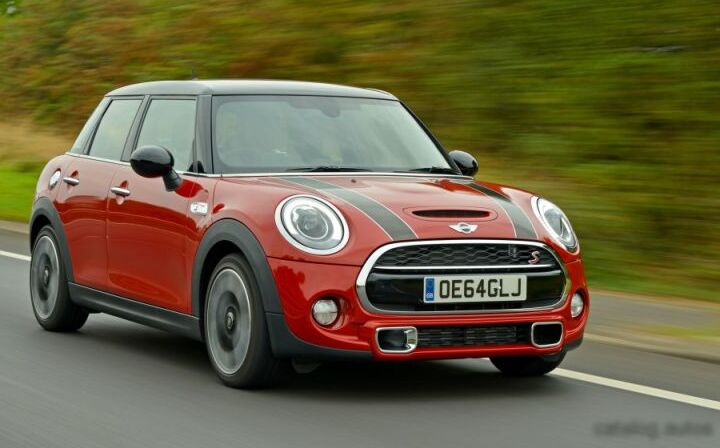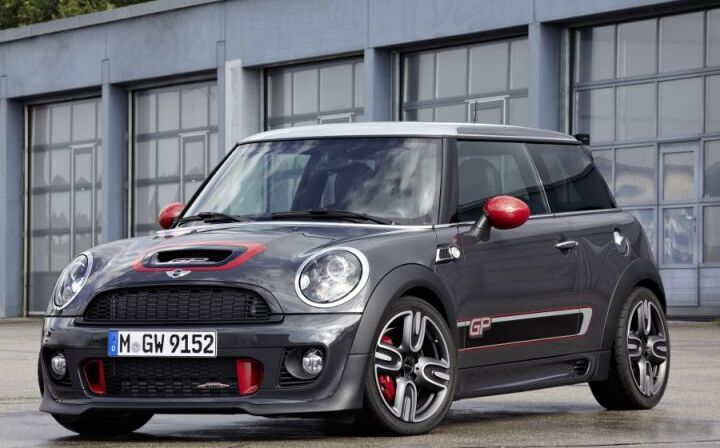
The Mini Hatch (R56) Cooper S 1.6 i 16V Turbo, produced from 2006 to 2010, represented a significant step in reviving the iconic Mini brand under BMW ownership. This variant, powered by the N14B16A engine, was a key component of the first-generation R56 hatchback lineup. Positioned as the performance-oriented model, the Cooper S offered a more engaging driving experience than the standard Cooper, bridging the gap between affordability and sporty handling. It played a crucial role in establishing the new Mini as a premium small car with a strong enthusiast following, particularly in Europe and increasingly in the North American market.
Technical Specifications
| Brand | Mini |
| Model | Hatch |
| Generation | Hatch (R56) |
| Type (Engine) | Cooper S 1.6 i 16V Turbo (175 Hp) |
| Start of production | 2006 |
| End of production | 2010 |
| Powertrain Architecture | Internal Combustion engine |
| Body type | Hatchback |
| Seats | 4 |
| Doors | 3 |
| Fuel consumption (urban) | 8.9 l/100 km (26.4 US mpg) |
| Fuel consumption (extra urban) | 5.7 l/100 km (41.3 US mpg) |
| Fuel consumption (combined) | 6.9 l/100 km (34.1 US mpg) |
| Fuel Type | Petrol (Gasoline) |
| Acceleration 0 – 100 km/h | 7.1 sec |
| Acceleration 0 – 62 mph | 7.1 sec |
| Acceleration 0 – 60 mph | 6.7 sec |
| Maximum speed | 225 km/h (139.81 mph) |
| Weight-to-power ratio | 6.5 kg/Hp |
| Weight-to-torque ratio | 4.7 kg/Nm |
| Power | 175 Hp @ 5500 rpm |
| Torque | 240 Nm @ 1600-5000 rpm (177.01 lb.-ft.) |
| Engine layout | Front, Transverse |
| Engine Model/Code | N14B16A |
| Engine displacement | 1598 cm3 (97.52 cu. in.) |
| Number of cylinders | 4 |
| Engine configuration | Inline |
| Cylinder Bore | 77 mm (3.03 in.) |
| Piston Stroke | 85.8 mm (3.38 in.) |
| Compression ratio | 10.5:1 |
| Number of valves per cylinder | 4 |
| Fuel injection system | Multi-port manifold injection |
| Engine aspiration | Supercharger, Intercooler |
| Valvetrain | DOHC |
| Engine oil capacity | 4.2 l (4.44 US qt | 3.7 UK qt) |
| Coolant capacity | 5.5 l (5.81 US qt | 4.84 UK qt) |
| Kerb Weight | 1130 kg (2491.22 lbs.) |
| Max. weight | 1580 kg (3483.3 lbs.) |
| Max load | 450 kg (992.08 lbs.) |
| Trunk (boot) space – minimum | 160 l (5.65 cu. ft.) |
| Trunk (boot) space – maximum | 680 l (24.01 cu. ft.) |
| Fuel tank capacity | 40 l (10.57 US gal | 8.8 UK gal) |
| Length | 3714 mm (146.22 in.) |
| Width | 1683 mm (66.26 in.) |
| Height | 1407 mm (55.39 in.) |
| Wheelbase | 2467 mm (97.13 in.) |
| Front track | 1453 mm (57.2 in.) |
| Rear track | 1461 mm (57.52 in.) |
| Minimum turning circle | 10.7 m (35.1 ft.) |
| Drivetrain | Front wheel drive |
| Number of gears | 6 |
| Gearbox type | Manual transmission |
| Front suspension | Spring Strut |
| Rear suspension | Transverse stabilizer |
| Front brakes | Ventilated discs |
| Rear brakes | Disc |
| Assisting systems | ABS (Anti-lock braking system) |
| Steering type | Steering rack and pinion |
| Tires size | 195/55 R16 |
| Wheel rims size | 6.5J X 16 |
Powertrain & Engine Architecture
The heart of the Cooper S was the N14B16A 1.6-liter inline-four engine. This engine was a significant departure from previous Mini powerplants, featuring a twin-scroll turbocharger and direct fuel injection. The direct injection system, combined with variable valve timing (Double VANOS), allowed for precise control over combustion, resulting in increased power and efficiency. The N14 engine produced 175 horsepower at 5500 rpm and 177 lb-ft of torque between 1600 and 5000 rpm. This power output was a substantial increase over the naturally aspirated Cooper, providing noticeably quicker acceleration. The six-speed manual transmission was standard, offering precise shifts and enhancing the sporty driving experience. While an automatic transmission was available, it was less common and generally considered less engaging.
Driving Characteristics
The Cooper S with the manual transmission delivered a lively and engaging driving experience. The turbocharger provided a noticeable boost in power, making the car feel quick and responsive. The chassis was well-tuned, offering a good balance between comfort and handling. The steering was precise and communicative, providing the driver with a good feel for the road. The six-speed gearbox allowed for optimal power delivery, keeping the engine in its sweet spot during acceleration. Compared to the standard Cooper, the Cooper S felt significantly faster and more capable. The automatic transmission, while offering convenience, resulted in some power loss and a less direct connection to the engine.
Equipment & Trim Levels
The Cooper S came standard with a number of features that distinguished it from the base Cooper. These included sport seats, a sport suspension, and unique exterior styling cues, such as a more aggressive front bumper and rear spoiler. Interior trim options included cloth or leather upholstery, and various color combinations were available. Optional extras included a panoramic sunroof, navigation system, and upgraded sound system. The Cooper S was positioned as a premium offering within the Mini lineup, and its price reflected that.
Chassis & Braking
The R56 Mini Cooper S featured a MacPherson strut front suspension and a multi-link rear suspension. This setup provided a good balance between ride comfort and handling precision. The front brakes were ventilated discs, while the rear brakes were solid discs. Anti-lock brakes (ABS) were standard. The chassis was relatively lightweight, contributing to the car’s agile handling characteristics. The suspension was tuned to provide a sporty feel, with a slightly firmer ride than the standard Cooper.
Market Reception & Comparison
The Mini Cooper S was generally well-received by automotive critics. It was praised for its sporty handling, responsive engine, and distinctive styling. However, some critics noted that the interior was somewhat cramped and that the ride could be firm on rough roads. Compared to other hot hatches of the time, such as the Volkswagen GTI and the Mazda MX-5, the Cooper S offered a unique blend of style, performance, and affordability. Fuel economy was respectable for a performance car, averaging around 34 mpg in combined driving. Reliability was generally good, although some owners reported issues with the turbocharger and fuel pump.
Legacy
The R56 Mini Cooper S 1.6 i 16V Turbo remains a popular choice among enthusiasts today. The N14 engine, while known for some potential issues like high-pressure fuel pump failure and carbon buildup, is generally considered reliable when properly maintained. The car’s distinctive styling and engaging driving experience continue to appeal to buyers in the used car market. The R56 Cooper S played a significant role in establishing the new Mini as a desirable and respected brand, paving the way for future generations of performance-oriented Mini models.