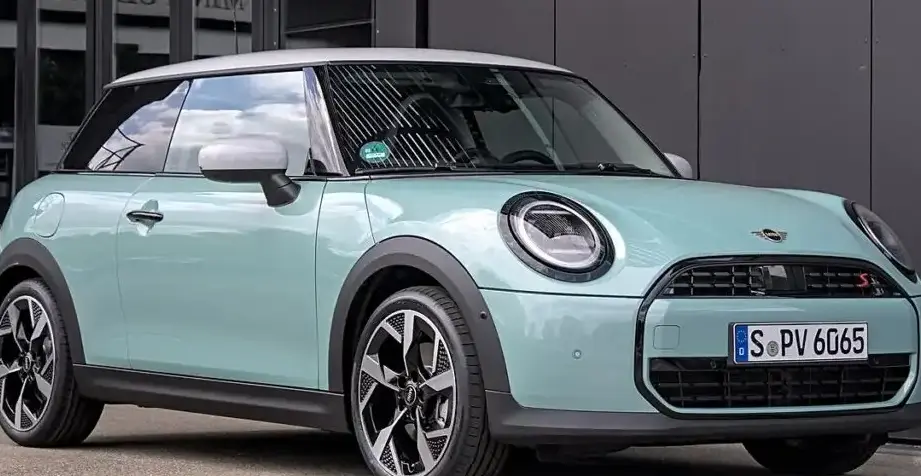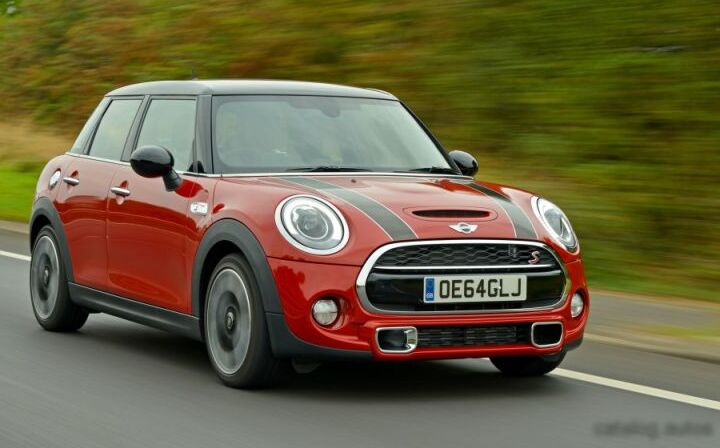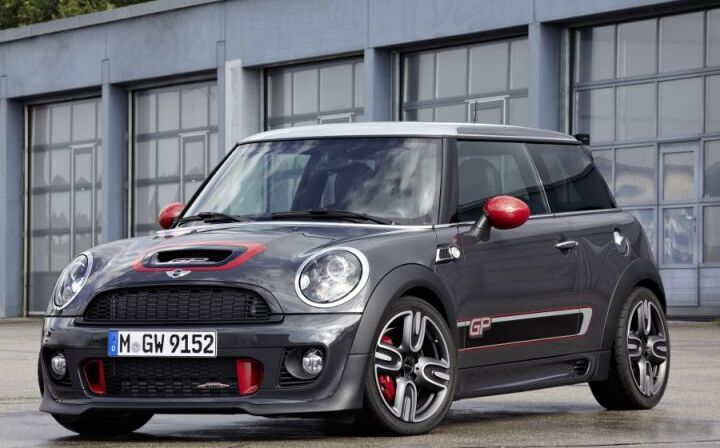
The Mini Hatch (R56) One 1.6, produced from 2010 to 2012, represented the entry point into the second-generation Mini Hatchback lineup. Positioned below the Cooper and Cooper S models, the One 1.6 offered a more affordable and fuel-efficient option for buyers drawn to the Mini’s iconic styling and nimble handling. It was built on the BMW Group’s 1HX0/A3 platform, shared with the first generation BMW 1 Series, and aimed to broaden the appeal of the revitalized Mini brand. This variant was primarily marketed in Europe and other international markets, with limited availability in the United States.
Technical Specifications
| Brand | Mini |
| Model | Hatch |
| Generation | Hatch (R56) |
| Type (Engine) | One 1.6 (98 Hp) |
| Start of production | 2010 |
| End of production | 2012 |
| Powertrain Architecture | Internal Combustion engine |
| Body type | Hatchback |
| Seats | 4 |
| Doors | 3 |
| Fuel consumption (urban) | 7.2 l/100 km (32.7 US mpg) |
| Fuel consumption (extra urban) | 4.4 l/100 km (53.5 US mpg) |
| Fuel consumption (combined) | 5.4 l/100 km (43.6 US mpg) |
| CO2 emissions | 127 g/km |
| Fuel Type | Petrol (Gasoline) |
| Acceleration 0 – 100 km/h | 10.5 sec |
| Acceleration 0 – 62 mph | 10.5 sec |
| Acceleration 0 – 60 mph | 10 sec |
| Maximum speed | 186 km/h (115.58 mph) |
| Emission standard | Euro 5 |
| Weight-to-power ratio | 10.8 kg/Hp |
| Weight-to-torque ratio | 6.9 kg/Nm |
| Power | 98 Hp @ 6000 rpm |
| Torque | 153 Nm @ 3000 rpm (112.85 lb.-ft. @ 3000 rpm) |
| Engine layout | Front, Transverse |
| Engine Model/Code | N16B16A |
| Engine displacement | 1598 cm3 (97.52 cu. in.) |
| Number of cylinders | 4 |
| Engine configuration | Inline |
| Cylinder Bore | 77 mm (3.03 in.) |
| Piston Stroke | 85.8 mm (3.38 in.) |
| Compression ratio | 11:1 |
| Number of valves per cylinder | 4 |
| Fuel injection system | Multi-port manifold injection |
| Engine aspiration | Naturally aspirated engine |
| Engine oil capacity | 4.2 l (4.44 US qt | 3.7 UK qt) |
| Coolant capacity | 5.2 l (5.49 US qt | 4.58 UK qt) |
| Kerb Weight | 1060 kg (2336.9 lbs.) |
| Max. weight | 1510 kg (3328.98 lbs.) |
| Max load | 450 kg (992.08 lbs.) |
| Trunk (boot) space – minimum | 160 l (5.65 cu. ft.) |
| Trunk (boot) space – maximum | 680 l (24.01 cu. ft.) |
| Fuel tank capacity | 40 l (10.57 US gal | 8.8 UK gal) |
| Length | 3699 mm (145.63 in.) |
| Width | 1683 mm (66.26 in.) |
| Height | 1407 mm (55.39 in.) |
| Wheelbase | 2467 mm (97.13 in.) |
| Front track | 1459 mm (57.44 in.) |
| Rear track | 1467 mm (57.76 in.) |
| Ride height (ground clearance) | 139 mm (5.47 in.) |
| Minimum turning circle | 10.7 m (35.1 ft.) |
| Drivetrain Architecture | Front wheel drive |
| Number of gears | 6 gears, manual transmission |
| Front suspension | Independent, type McPherson with coil spring and anti-roll bar |
| Rear suspension | dependent spring suspension |
| Front brakes | Ventilated discs |
| Rear brakes | Disc |
| Assisting systems | ABS (Anti-lock braking system) |
| Steering type | Steering rack and pinion |
| Tires size | 175/65 R15 84H |
| Wheel rims size | 5.5J x 15 |
Powertrain & Engine Architecture
The Mini One 1.6 utilized the N16B16A engine, a 1.6-liter naturally aspirated inline-four cylinder petrol engine. This engine was part of BMW’s N16 family, known for its relatively simple design and reliability. It featured a single overhead camshaft (SOHC) valvetrain with four valves per cylinder. Fuel delivery was handled by a multi-port fuel injection system, providing adequate, though not exceptional, combustion control. The engine produced 98 horsepower at 6000 rpm and 113 lb-ft of torque at 3000 rpm. The engine’s design prioritized fuel efficiency over outright performance. The standard transmission was a 6-speed manual, although a 6-speed automatic transmission was also available as an option. The automatic transmission, a common Aisin unit, was geared towards smooth operation and fuel economy rather than sporty shifts.
Driving Characteristics
The 1.6-liter engine, paired with the manual transmission, provided adequate performance for urban driving and occasional highway use. Acceleration from 0-60 mph took around 10 seconds, and top speed was approximately 115 mph. Compared to the more powerful Cooper and Cooper S models, the One 1.6 felt noticeably slower, particularly during overtaking maneuvers. The automatic transmission, while offering convenience, further dulled the driving experience, with slightly slower gear changes and a less engaging feel. However, the One 1.6 excelled in fuel economy, achieving combined fuel consumption figures of around 43.6 US mpg. The car’s relatively light weight and well-tuned suspension contributed to its nimble handling, making it enjoyable to drive on twisty roads, even if lacking the outright pace of its more potent siblings.
Equipment & Trim Levels
The Mini One 1.6 typically came equipped with a reasonable level of standard features, including air conditioning, power windows, power mirrors, and a basic audio system. Interior upholstery was typically cloth, with options for upgraded materials. The dashboard layout was characteristic of the R56 Mini, featuring a large central speedometer and a smaller fuel/temperature gauge. Optional extras included alloy wheels, a panoramic sunroof, sport seats, and a more advanced infotainment system. The One trim was generally considered the most basic in the range, focusing on affordability and essential features.
Chassis & Braking
The R56 Mini One 1.6 utilized a McPherson strut front suspension and a multi-link rear suspension, providing a comfortable yet sporty ride. The front brakes were ventilated discs, while the rear brakes were solid discs. Anti-lock Braking System (ABS) was standard. The suspension was tuned to prioritize handling and stability, offering a good balance between comfort and responsiveness. The car’s relatively low weight contributed to its agile handling characteristics. Stabilizer bars were fitted front and rear to reduce body roll during cornering.
Market Reception & Comparison
The Mini One 1.6 was generally well-received by critics as an affordable and stylish entry point into the Mini range. It was praised for its fuel efficiency, nimble handling, and iconic design. However, some reviewers criticized its lack of power compared to the Cooper and Cooper S models. Compared to other small hatchbacks on the market, the Mini One 1.6 offered a more premium feel and a more engaging driving experience, but at a higher price point. The automatic transmission version was often seen as a compromise, sacrificing some of the car’s inherent fun-to-drive character for added convenience.
Legacy
The N16B16A engine, while not known for being particularly high-performance, proved to be relatively reliable. Common issues included occasional oil leaks and problems with the thermostat housing. The automatic transmission, if properly maintained, also proved to be durable. Today, the R56 Mini One 1.6 remains a popular choice in the used car market, particularly for buyers seeking a stylish and fuel-efficient city car. Its iconic design and nimble handling continue to appeal to enthusiasts, and its relatively simple mechanicals make it a relatively affordable car to maintain. However, potential buyers should be aware of the potential for oil leaks and other age-related issues.