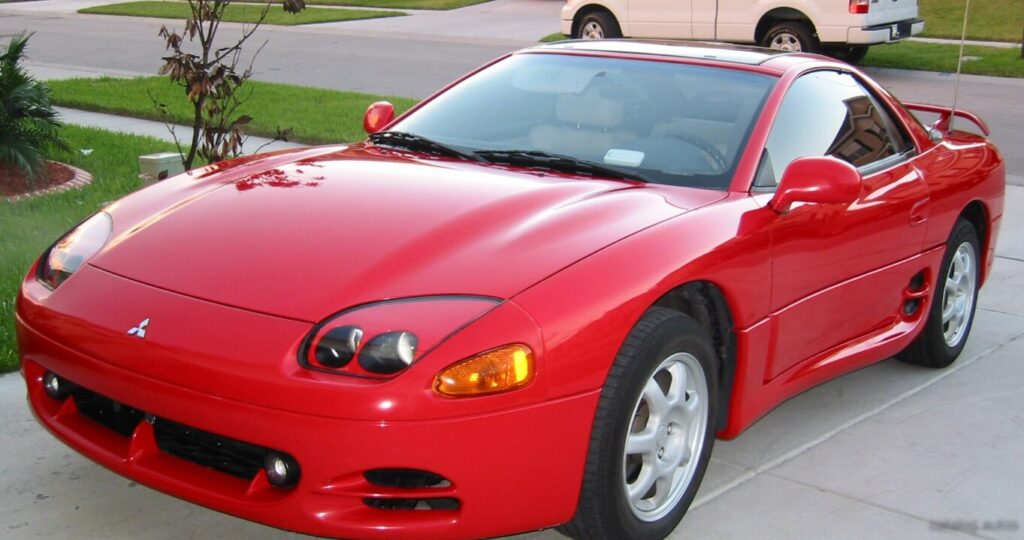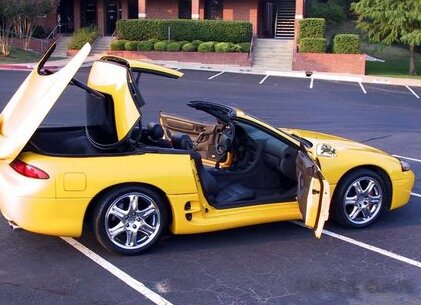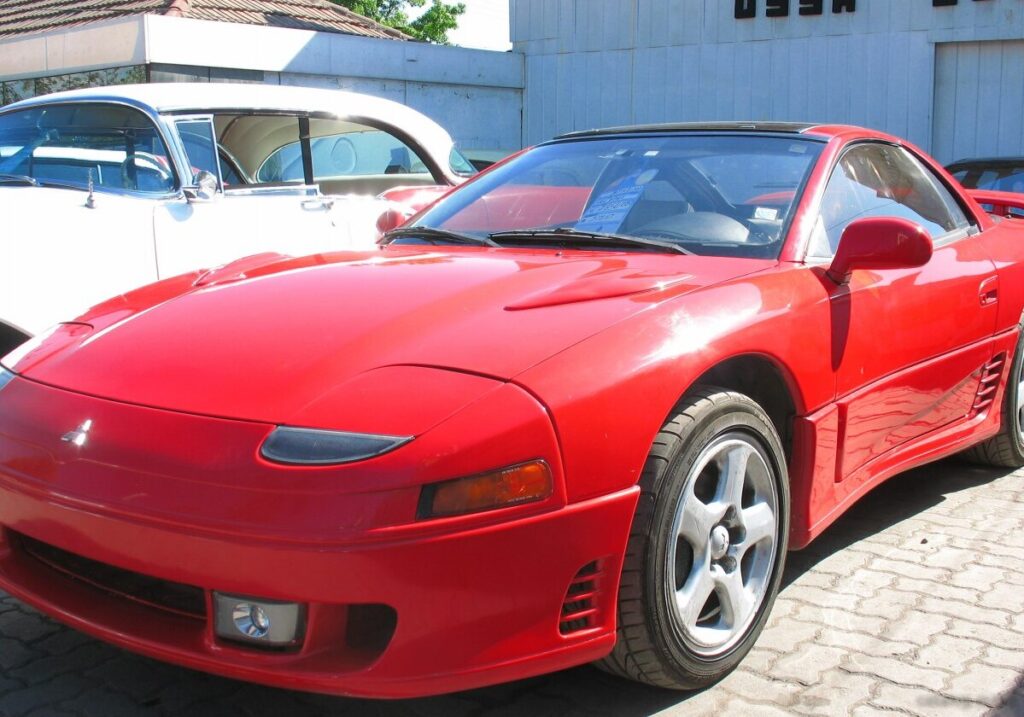
The Mitsubishi 3000 GT, specifically the 3.0 V6 24V variant producing 222 horsepower, represented a significant entry into the Japanese sports coupe market during its 1990-1993 production run. Positioned as a more attainable performance option within the 3000 GT lineup, it offered a blend of style, technology, and respectable power. This front-wheel-drive coupe aimed to compete with established players like the Mazda RX-7 and Toyota Supra, offering a different approach to the sports car experience. It was the first generation of the model, and laid the groundwork for the more advanced versions that followed.
Technical Specifications
| Brand | Mitsubishi |
| Model | 3000 GT |
| Generation | 3000 GT |
| Type (Engine) | 3.0 V6 24V (222 Hp) |
| Start of production | 1990 |
| End of production | 1993 |
| Powertrain Architecture | Internal Combustion engine |
| Body type | Coupe |
| Seats | 4 |
| Doors | 2 |
| Fuel consumption (urban) | 15 l/100 km (15.7 US mpg, 18.8 UK mpg, 6.7 km/l) |
| Fuel consumption (extra urban) | 9 l/100 km (26.1 US mpg, 31.4 UK mpg, 11.1 km/l) |
| Fuel Type | Petrol (Gasoline) |
| Maximum speed | 230 km/h (142.92 mph) |
| Weight-to-power ratio | 6.5 kg/Hp, 153.1 Hp/tonne |
| Weight-to-torque ratio | 5.3 kg/Nm, 188.3 Nm/tonne |
| Power | 222 Hp @ 6000 rpm |
| Power per litre | 74.7 Hp/l |
| Torque | 273 Nm @ 4500 rpm (201.35 lb.-ft. @ 4500 rpm) |
| Engine layout | Front, Transverse |
| Engine displacement | 2972 cm3 (181.36 cu. in.) |
| Number of cylinders | 6 |
| Engine configuration | V-engine |
| Cylinder Bore | 91.1 mm (3.59 in.) |
| Piston Stroke | 76 mm (2.99 in.) |
| Compression ratio | 10:1 |
| Number of valves per cylinder | 4 |
| Fuel injection system | Multi-port manifold injection |
| Engine aspiration | Naturally aspirated engine |
| Valvetrain | DOHC |
| Kerb Weight | 1450 kg (3196.7 lbs.) |
| Trunk (boot) space – maximum | 160 l (5.65 cu. ft.) |
| Fuel tank capacity | 75 l (19.81 US gal | 16.5 UK gal) |
| Length | 4565 mm (179.72 in.) |
| Width | 1840 mm (72.44 in.) |
| Height | 1247 mm (49.09 in.) |
| Wheelbase | 2470 mm (97.24 in.) |
| Front track | 1560 mm (61.42 in.) |
| Rear (Back) track | 1580 mm (62.2 in.) |
| Drivetrain Architecture | The Internal combustion engine (ICE) drives the front wheels of the vehicle. |
| Drive wheel | Front wheel drive |
| Number of gears and type of gearbox | 5 gears, manual transmission |
| Front suspension | Wishbone |
| Rear suspension | Coil spring |
| Front brakes | Ventilated discs |
| Rear brakes | Ventilated discs |
| Assisting systems | ABS (Anti-lock braking system) |
| Steering type | Steering rack and pinion |
| Power steering | Hydraulic Steering |
| Tires size | 225/55 R16 |
Powertrain & Engine Architecture
At the heart of the 3000 GT 3.0 V6 24V lay the 6A12 engine, a 2.972-liter (181.36 cubic inches) naturally aspirated V6. This engine featured a double overhead camshaft (DOHC) valvetrain with four valves per cylinder, contributing to its relatively high output for the time. The engine utilized multi-port fuel injection, ensuring precise fuel delivery for optimal combustion. The 6A12 was known for its smooth power delivery and relatively robust construction. The 222 horsepower output was achieved at 6000 rpm, while peak torque of 273 Nm (201.35 lb-ft) arrived at 4500 rpm. This engine was transversely mounted in the front of the vehicle, driving the front wheels. The standard transmission was a 5-speed manual, providing drivers with direct control over the engine’s power.
Driving Characteristics
The 3000 GT 3.0 V6 with the 5-speed manual transmission offered a respectable driving experience. While not as brutally fast as some of its competitors, it provided a good balance of performance and usability. Acceleration was brisk, and the engine pulled strongly through the rev range. The front-wheel-drive configuration meant that torque steer was present under hard acceleration, a characteristic common to powerful front-wheel-drive cars. The 5-speed manual gearbox was well-matched to the engine’s powerband, allowing drivers to keep the engine in its sweet spot. Compared to the later, more powerful versions of the 3000 GT (like those with twin-turbocharged engines), this 3.0-liter version felt less aggressive but more accessible and predictable. The gear ratios were tuned for a blend of acceleration and highway cruising, making it a comfortable daily driver as well as a capable sports coupe.
Equipment & Trim Levels
The 3000 GT 3.0 V6 24V typically came reasonably well-equipped, though options were available to enhance the experience. Standard features generally included power windows, power locks, air conditioning, and a decent sound system. The interior featured comfortable cloth seats, and the dashboard layout was functional and driver-focused. Optional extras could include leather upholstery, a sunroof, upgraded audio systems, and alloy wheels. The trim level was generally considered the base model within the 3000 GT range, serving as the entry point to the model line. It was designed to appeal to buyers who wanted a stylish and sporty coupe without the higher price tag of the more powerful and feature-rich variants.
Chassis & Braking
The 3000 GT 3.0 V6 24V utilized a front-wheel-drive chassis with independent wishbone suspension at the front and a coil spring setup at the rear. This suspension configuration provided a good balance of ride comfort and handling. The car was equipped with ventilated disc brakes on all four wheels, providing ample stopping power. An Anti-lock Braking System (ABS) was standard, enhancing safety and control during hard braking. The steering was rack and pinion with hydraulic power assistance, offering precise and responsive steering feel. The car rode on 225/55 R16 tires, providing a good compromise between grip and ride comfort.
Market Reception & Comparison
The Mitsubishi 3000 GT 3.0 V6 24V was generally well-received by automotive critics. It was praised for its stylish design, comfortable interior, and respectable performance. However, some critics noted that the front-wheel-drive configuration limited its handling potential compared to rear-wheel-drive competitors. Fuel economy was also a point of concern, with the 3.0-liter V6 engine consuming a significant amount of fuel, especially in urban driving conditions (around 15 l/100 km or 15.7 US mpg). Compared to the later, more powerful 3000 GT VR-4 models, the 3.0 V6 offered a more affordable entry point but lacked the all-wheel-drive system and turbocharged engine that made the VR-4 a true performance icon. Reliability was generally good, though routine maintenance was essential to keep the engine running smoothly.
Legacy
The Mitsubishi 3000 GT 3.0 V6 24V remains a popular choice among enthusiasts today. While not as sought-after as the VR-4 models, it offers a more affordable way to experience the 3000 GT’s iconic styling and sporty character. The 6A12 engine is known for its durability, and well-maintained examples can still provide years of reliable service. However, like any older vehicle, it’s important to be aware of potential maintenance issues, such as aging rubber components and potential oil leaks. The 3000 GT 3.0 V6 24V represents a significant chapter in Mitsubishi’s history, showcasing the company’s commitment to building stylish and capable sports coupes. It’s a reminder of a time when Japanese manufacturers were pushing the boundaries of performance and technology.