
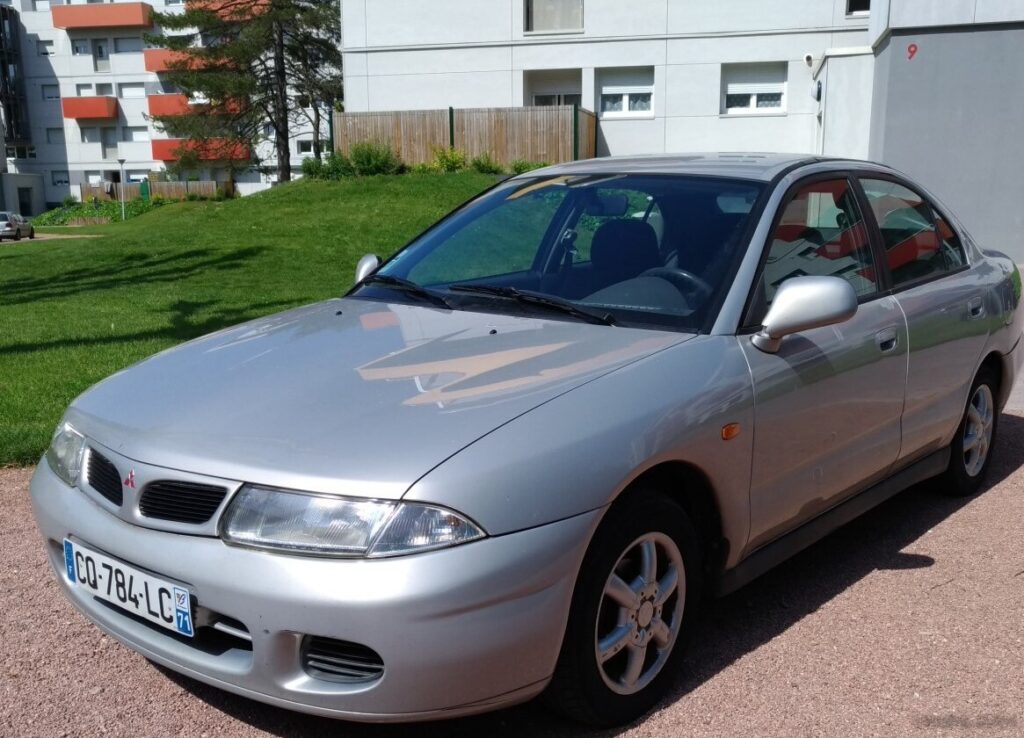
The Mitsubishi Carisma 2.0 16V GT EVO VI, produced between 1999 and 2003, represents a high-performance variant of the Carisma sedan. Positioned as the flagship trim level, it aimed to offer a sporty driving experience within the compact sedan segment. The Carisma itself was Mitsubishi’s replacement for the Galant, designed to compete with European and Japanese rivals like the Ford Mondeo, Opel Vectra, and Toyota Corolla. The “EVO VI” designation, while borrowing nomenclature from Mitsubishi’s legendary Lancer Evolution series, signified a substantial performance upgrade over the standard Carisma models, though it didn’t share the Evolution’s all-wheel-drive system. This model was primarily sold in European markets, where Mitsubishi sought to establish a stronger presence with a more dynamic and engaging vehicle.
Technical Specifications
| Brand | Mitsubishi |
| Model | Carisma |
| Generation | Carisma |
| Type (Engine) | 2.0 16V GT EVO VI (280 Hp) |
| Start of production | 1999 |
| End of production | 2003 |
| Powertrain Architecture | Internal Combustion Engine |
| Body type | Sedan |
| Fuel Type | Petrol (Gasoline) |
| Power | 280 Hp |
| Engine aspiration | Naturally Aspirated |
Powertrain & Engine Architecture
The heart of the Carisma 2.0 16V GT EVO VI is its 1998cc, naturally aspirated four-cylinder engine. While sharing a basic architecture with other Mitsubishi 2.0-liter engines of the period, the EVO VI variant received significant modifications to achieve its 280 horsepower output. These included a high-compression cylinder head, optimized intake and exhaust manifolds, and a revised engine management system. The engine utilizes a double overhead camshaft (DOHC) valvetrain with four valves per cylinder, contributing to its high-revving nature. Fuel delivery is managed by a multi-point fuel injection system. Unlike the turbocharged engines found in the Lancer Evolution, the Carisma GT EVO VI relies solely on displacement and careful tuning for its performance gains. The engine is mated to a five-speed manual transmission, chosen for its direct connection and driver engagement. There was no automatic transmission option for this high-performance trim.
Driving Characteristics
The Carisma 2.0 16V GT EVO VI delivers a noticeably more spirited driving experience than the standard Carisma models. The 280 hp engine provides strong acceleration, particularly in the mid-range, allowing for confident overtaking maneuvers. While not possessing the launch control or sophisticated all-wheel-drive system of its Evolution namesake, the front-wheel-drive configuration, combined with a limited-slip differential, minimizes wheelspin under hard acceleration. The five-speed manual transmission offers precise shifts, and the gear ratios are well-suited to maximizing the engine’s power band. However, the front-wheel-drive layout can exhibit torque steer under aggressive acceleration, requiring a firm grip on the steering wheel. Compared to lower-powered Carisma variants, the EVO VI’s suspension is firmer, providing improved handling and reduced body roll, but at the expense of some ride comfort. It’s a car that rewards a skilled driver, offering a rewarding and engaging experience on winding roads.
Equipment & Trim Levels
As the top-of-the-line Carisma trim, the 2.0 16V GT EVO VI came generously equipped. Standard features included power windows, power steering, central locking, and an air conditioning system. The interior featured sport seats upholstered in a combination of fabric and leather, providing good support during spirited driving. A leather-wrapped steering wheel and shift knob added a touch of luxury. The dashboard featured a comprehensive instrument cluster with clear, easy-to-read gauges. Optional extras included a sunroof, upgraded audio system, and alloy wheels. The exterior styling was enhanced by a subtle body kit, including a front spoiler, side skirts, and a rear spoiler, giving the car a more aggressive appearance. The overall interior ambiance, while functional, was not as refined as some of its European competitors.
Chassis & Braking
The Carisma 2.0 16V GT EVO VI utilizes a MacPherson strut front suspension and a multi-link rear suspension. The suspension components were tuned for a balance between handling and ride comfort, with stiffer springs and dampers compared to lower-spec models. The braking system consists of ventilated disc brakes on the front wheels and solid disc brakes on the rear wheels. Anti-lock Braking System (ABS) was standard equipment, enhancing safety and control during emergency braking situations. The steering is a rack-and-pinion system, providing precise and responsive steering feel. While the chassis is robust and well-engineered, it doesn’t possess the same level of rigidity as some of its more modern rivals. Stabilizer bars are fitted to both the front and rear axles to reduce body roll during cornering.
Market Reception & Comparison
The Mitsubishi Carisma 2.0 16V GT EVO VI received generally positive reviews from automotive critics. It was praised for its powerful engine, engaging handling, and generous equipment levels. However, some critics noted the car’s somewhat basic interior and the potential for torque steer due to its front-wheel-drive layout. Compared to other trims in the Carisma lineup, the EVO VI offered a significant performance upgrade, but at a higher price point. Against competitors like the Ford Mondeo ST200 and Opel Vectra GSi, the Carisma EVO VI offered a comparable level of performance, but often at a more competitive price. Fuel economy, while respectable for a performance sedan of its era, was lower than that of the more fuel-efficient Carisma variants. Reliability was generally good, although some owners have reported issues with the engine’s timing belt and cooling system.
Legacy
The Mitsubishi Carisma 2.0 16V GT EVO VI remains a relatively rare and sought-after vehicle among enthusiasts. Its combination of performance, affordability, and distinctive styling has earned it a cult following. The engine, while not as technologically advanced as some of its rivals, is known for its durability and tunability. In the used car market, well-maintained examples of the EVO VI command a premium price. However, potential buyers should be aware of the need for regular maintenance, particularly regarding the timing belt and cooling system. The Carisma 2.0 16V GT EVO VI represents a unique chapter in Mitsubishi’s history, offering a taste of the brand’s performance heritage in a practical and affordable package. It serves as a reminder of a time when manufacturers were willing to experiment with high-performance variants of mainstream models, offering enthusiasts a compelling alternative to more established sports sedans.
