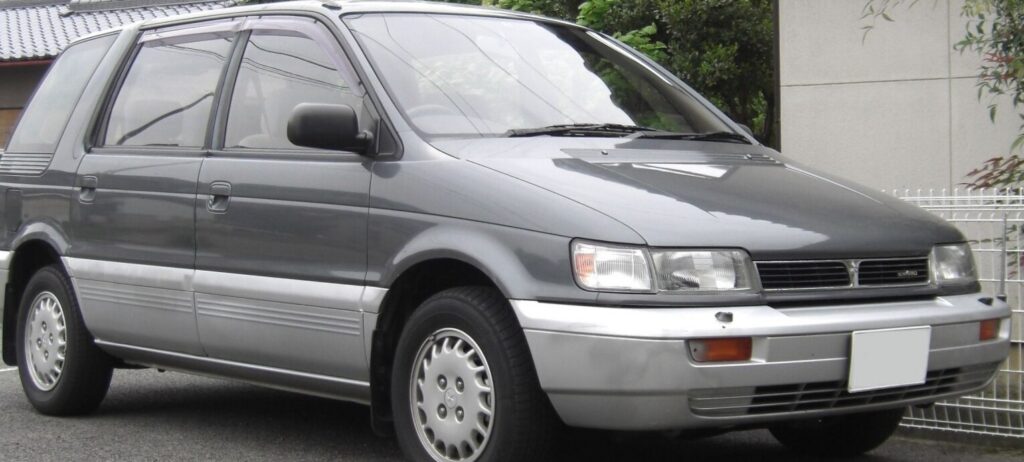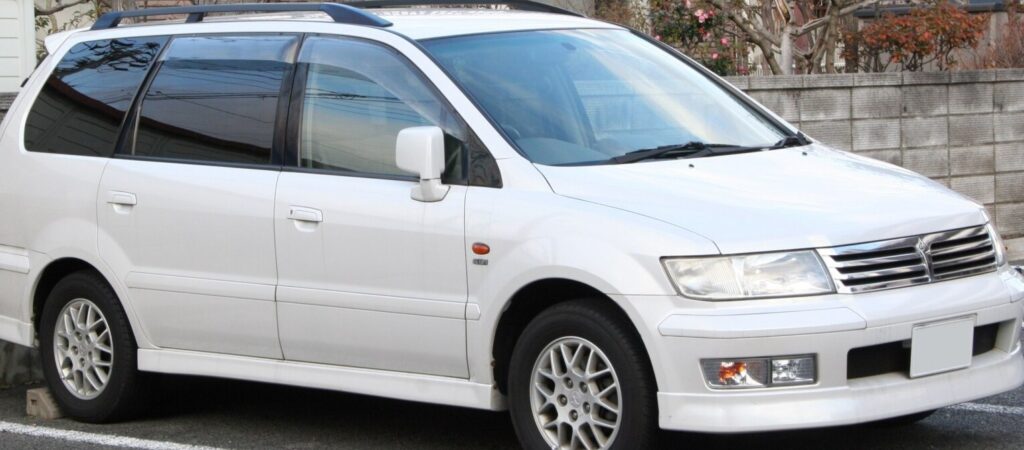
The Mitsubishi Chariot Grandis (N11) 3.0 i V6 24V GDI, produced between 1997 and 2003, represented a significant offering in Mitsubishi’s minivan lineup. This variant, powered by a 3.0-liter V6 engine, was positioned as a more premium option within the N11 Chariot Grandis range, catering to buyers seeking a blend of space, comfort, and performance. The N11 generation, a successor to the earlier Chariot models, aimed to compete with established minivans in both the Japanese domestic market and export markets, particularly in regions like Australia and Europe. It was built on the Mitsubishi GS platform.
Technical Specifications
| Brand | Mitsubishi |
| Model | Chariot |
| Generation | Chariot Grandis (N11) |
| Type (Engine) | 3.0 i V6 24V GDI (215 Hp) |
| Start of production | 1997 |
| End of production | 2003 |
| Powertrain Architecture | Internal Combustion engine |
| Body type | Minivan |
| Seats | 7 |
| Doors | 5 |
| Fuel Type | Petrol (Gasoline) |
| Weight-to-power ratio | 7.6 kg/Hp, 131.1 Hp/tonne |
| Weight-to-torque ratio | 5.5 kg/Nm, 182.3 Nm/tonne |
| Power | 215 Hp @ 5500 rpm |
| Power per litre | 72.3 Hp/l |
| Torque | 299 Nm @ 3250 rpm (220.53 lb.-ft. @ 3250 rpm) |
| Engine layout | Front, Transverse |
| Engine displacement | 2972 cm3 (181.36 cu. in.) |
| Number of cylinders | 6 |
| Engine configuration | V-engine |
| Cylinder Bore | 91.1 mm (3.59 in.) |
| Piston Stroke | 76 mm (2.99 in.) |
| Compression ratio | 10.5:1 |
| Number of valves per cylinder | 4 |
| Fuel injection system | Direct injection |
| Engine aspiration | Naturally aspirated engine |
| Valvetrain | DOHC |
| Kerb Weight | 1640 kg (3615.58 lbs.) |
| Trunk (boot) space – minimum | 240 l (8.48 cu. ft.) |
| Trunk (boot) space – maximum | 1930 l (68.16 cu. ft.) |
| Fuel tank capacity | 63 l (16.64 US gal | 13.86 UK gal) |
| Length | 4650 mm (183.07 in.) |
| Width | 1780 mm (70.08 in.) |
| Height | 1650 mm (64.96 in.) |
| Wheelbase | 2780 mm (109.45 in.) |
| Front track | 1500 mm (59.06 in.) |
| Rear (Back) track | 1535 mm (60.43 in.) |
| Drivetrain Architecture | The Internal combustion engine (ICE) drives the front wheels of the vehicle. |
| Drive wheel | Front wheel drive |
| Number of gears and type of gearbox | 4 gears, automatic transmission |
| Front suspension | Spring Strut |
| Rear suspension | Coil spring |
| Front brakes | Ventilated discs |
| Rear brakes | Disc |
| Assisting systems | ABS (Anti-lock braking system) |
| Steering type | Steering rack and pinion |
| Power steering | Hydraulic Steering |
| Tires size | 205/65 R15 |
Powertrain & Engine Architecture
The heart of the Chariot Grandis 3.0 i V6 GDI was the 6A13 engine, a 2,972 cc (181.36 cu. in.) naturally aspirated V6. This engine utilized Mitsubishi’s GDI (Gasoline Direct Injection) technology, a key feature that differentiated it from other engines in the lineup. GDI allowed for more precise fuel delivery, resulting in improved fuel efficiency and increased power output. The engine featured a double overhead camshaft (DOHC) valvetrain with four valves per cylinder, contributing to its strong performance characteristics. The 4-speed automatic transmission was the sole transmission option for this variant, prioritizing ease of use and comfort over outright performance. The transmission was tuned for smooth shifts and adequate acceleration, but wasn’t known for being particularly sporty.
Driving Characteristics
The 215 horsepower and 299 Nm (220.53 lb-ft) of torque provided by the 3.0L V6 GDI engine delivered respectable performance for a minivan of its size. While not a sports car, the Chariot Grandis offered brisk acceleration and sufficient power for highway cruising and overtaking. The automatic transmission, while smooth, did contribute to a slight loss of responsiveness compared to the available manual transmission options in other Chariot Grandis trims. The gear ratios were optimized for fuel economy and comfortable driving, rather than aggressive acceleration. The front-wheel-drive configuration provided predictable handling, but lacked the all-weather capability of all-wheel-drive systems found in some competing minivans.
Equipment & Trim Levels
The 3.0 i V6 GDI variant typically came well-equipped, reflecting its position as a higher-end trim level. Standard features often included power windows, power locks, air conditioning, and an upgraded audio system. Higher-spec models could be equipped with leather upholstery, woodgrain interior trim, and a sunroof. Optional extras included a rear entertainment system, upgraded speakers, and alloy wheels. The interior design focused on practicality and comfort, with a spacious cabin and flexible seating arrangements. The seven-seat configuration offered ample space for passengers and cargo.
Chassis & Braking
The Chariot Grandis utilized a conventional front-wheel-drive chassis with a MacPherson strut suspension in the front and a coil spring suspension in the rear. The suspension was tuned for a comfortable ride, prioritizing smoothness over sporty handling. Braking duties were handled by ventilated discs in the front and solid discs in the rear. An Anti-lock Braking System (ABS) was standard, enhancing safety and control during emergency braking situations. The steering system employed a rack and pinion setup with hydraulic power assistance, providing light and easy steering feel.
Market Reception & Comparison
The Mitsubishi Chariot Grandis 3.0 i V6 GDI was generally well-received by critics for its spacious interior, comfortable ride, and refined engine. The GDI engine was praised for its fuel efficiency and smooth power delivery. However, some reviewers noted that the automatic transmission could feel somewhat sluggish, and the front-wheel-drive configuration limited its appeal in regions with harsh winter weather. Compared to other trims in the Chariot Grandis lineup, the 3.0 i V6 GDI offered a significant performance upgrade over the smaller 2.4-liter engine options, but at a higher price point. It competed with other minivans such as the Toyota Previa, Honda Odyssey, and Nissan Serena.
Legacy
The Mitsubishi Chariot Grandis N11, particularly the 3.0 i V6 GDI variant, has developed a reputation for reasonable reliability, although the GDI system can be prone to carbon buildup if not properly maintained. Regular servicing and the use of high-quality fuel are essential to ensure the longevity of the engine. In the used car market, these models are often sought after by buyers looking for a spacious and comfortable minivan with a relatively powerful engine. While not as common as some of its competitors, the Chariot Grandis remains a viable option for those seeking a unique and well-equipped minivan.