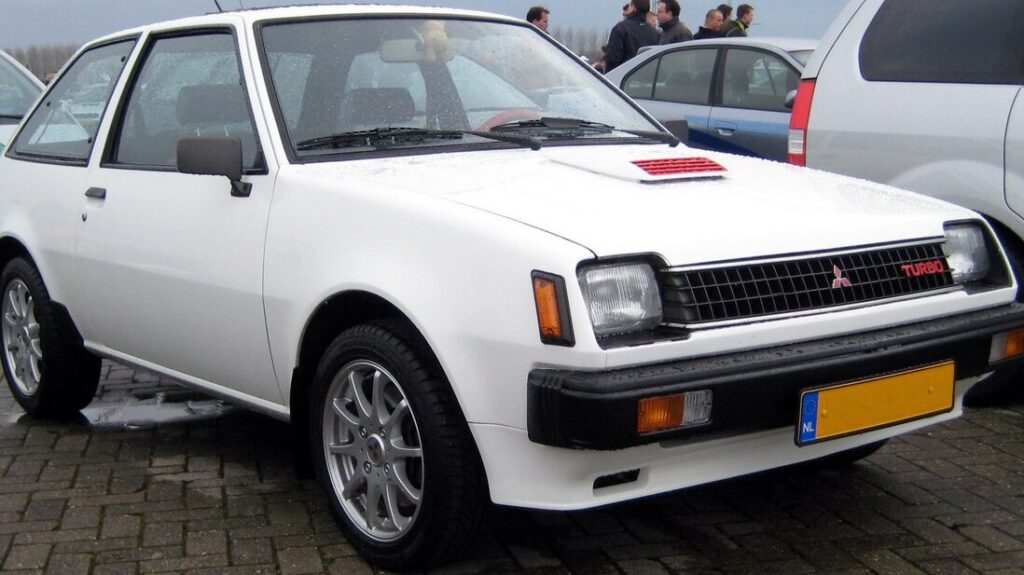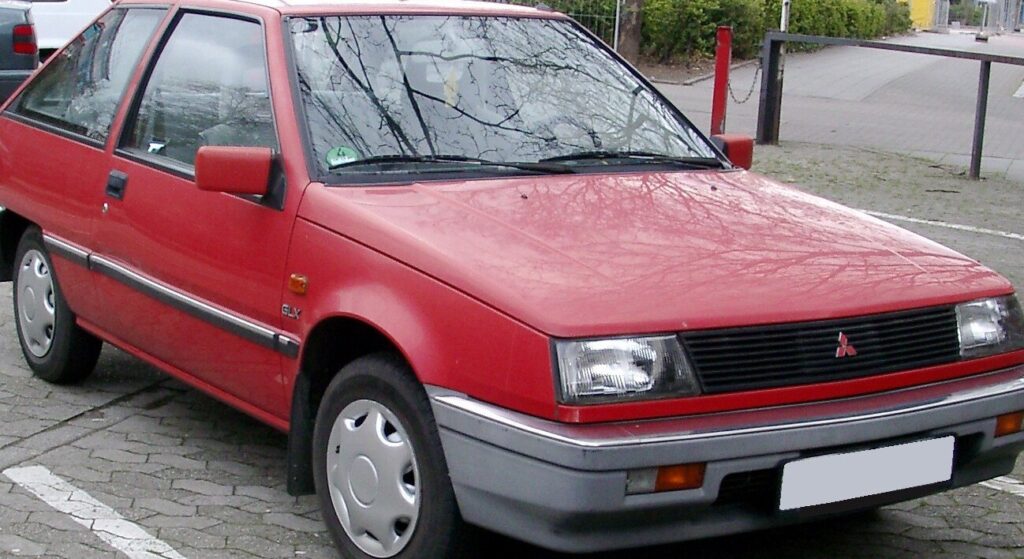
The Mitsubishi Colt II (C10) 1.2 EL/GL, powered by the C15A engine producing 55 horsepower, represents an entry-level offering within the second generation Colt lineup, manufactured between 1984 and 1986. This variant was primarily aimed at the European and Asian markets, where fuel efficiency and affordability were key considerations for buyers in the subcompact hatchback segment. The C10 Colt aimed to provide basic, reliable transportation, competing with vehicles like the Fiat Uno, Peugeot 205, and Nissan Micra. It served as a stepping stone into the Mitsubishi brand for many consumers, offering a practical and economical choice.
Technical Specifications
| Brand | Mitsubishi |
| Model | Colt |
| Generation | Colt II (C10) |
| Type (Engine) | 1.2 EL/GL (C15A) (55 Hp) |
| Start of Production | 1984 |
| End of Production | 1986 |
| Powertrain Architecture | Internal Combustion Engine |
| Body Type | Hatchback |
| Fuel Type | Petrol (Gasoline) |
| Power | 55 Hp |
| Engine Aspiration | Naturally Aspirated |
Powertrain & Engine Architecture
The heart of the Colt II 1.2 EL/GL is the C15A engine, a 1.2-liter (1198cc) inline-four cylinder gasoline engine. This engine is a relatively simple design, featuring a single overhead camshaft (SOHC) operating two valves per cylinder. Fuel delivery is managed by a carburetor, a common feature for vehicles of this era and price point. The C15A engine is known for its durability and ease of maintenance, though its performance is modest. The engine’s block is cast iron, contributing to its robustness, while the cylinder head is aluminum. The compression ratio is typically around 9.0:1. The engine produces 55 horsepower at 6000 rpm and approximately 68 lb-ft of torque at 3000 rpm. This power is then transferred to the front wheels through a four-speed manual or a three-speed automatic transmission. The automatic transmission, while offering convenience, further reduces the vehicle’s acceleration capabilities.
Driving Characteristics
The driving experience in the Colt II 1.2 EL/GL is best described as utilitarian. With only 55 horsepower on tap, acceleration is slow, particularly with the three-speed automatic transmission. The 0-60 mph time is estimated to be around 15-17 seconds. The engine feels strained when climbing hills or attempting to overtake other vehicles. The four-speed manual transmission offers slightly better performance, allowing the driver to keep the engine in its optimal power band. The suspension is tuned for comfort rather than sporty handling, providing a relatively smooth ride on most road surfaces. Steering is light and easy, making it maneuverable in urban environments. The automatic transmission features relatively wide gear ratios, prioritizing fuel economy over responsiveness. Downshifts are slow and deliberate, and the transmission lacks the sophistication of more modern automatic gearboxes.
Equipment & Trim Levels
The 1.2 EL/GL trim level represents a basic specification within the Colt II range. Standard equipment typically included cloth upholstery, a basic instrument cluster, and manual windows and door locks. The “EL” trim generally offered slightly more features than the base model, potentially including a radio or upgraded interior trim. The “GL” trim added further refinements, such as a more comfortable seat fabric and potentially a rear window wiper. Optional extras were limited, but could include a sunroof, upgraded audio system, and metallic paint. Interior plastics were durable but basic, reflecting the car’s affordable price point. The dashboard layout is functional and straightforward, with clearly labeled controls. The seats offered adequate support for short to medium-length journeys.
Chassis & Braking
The Colt II utilizes a front-engine, front-wheel-drive layout. The suspension consists of MacPherson struts at the front and a twist-beam axle at the rear. This setup provides a reasonable balance between ride comfort and handling. The braking system is relatively simple, featuring disc brakes at the front and drum brakes at the rear. The brakes are adequate for normal driving conditions, but lack the stopping power of more modern vehicles. The steering is a rack-and-pinion system, providing light and precise control. The chassis is relatively lightweight, contributing to the car’s fuel efficiency. Stabilizer bars were not typically fitted to the base 1.2 EL/GL models, further emphasizing the focus on comfort over handling.
Market Reception & Comparison
The Mitsubishi Colt II 1.2 EL/GL was generally well-received as an affordable and reliable city car. Critics praised its fuel efficiency and ease of driving, but noted its lack of performance. Compared to other trims in the Colt II lineup, such as the 1.6-liter models, the 1.2 EL/GL offered significantly less power and acceleration. However, it also offered better fuel economy and a lower purchase price. The 1.2L engine was favored by drivers prioritizing economy over performance. Against competitors like the Fiat Uno and Peugeot 205, the Colt II offered a similar level of practicality and affordability, but often lacked the stylish design or sporty handling of its rivals. Fuel economy was a key selling point, averaging around 45-50 mpg in mixed driving conditions.
Legacy
The Mitsubishi Colt II 1.2 EL/GL, while not a performance icon, has proven to be a surprisingly durable and reliable vehicle. Many examples are still on the road today, testament to the robustness of the C15A engine and the overall build quality of the C10 Colt. In the used car market, these vehicles are typically very affordable, making them attractive to first-time car owners or those seeking a cheap and cheerful runabout. Maintenance is relatively straightforward, and spare parts are generally readily available. However, potential buyers should be aware of the age-related issues common to vehicles of this era, such as rust and wear and tear on rubber components. The C15A engine is known for its longevity, but regular maintenance is essential to ensure its continued reliability. The Colt II 1.2 EL/GL represents a significant piece of Mitsubishi’s history, showcasing the company’s commitment to providing affordable and practical transportation to a wide range of customers.