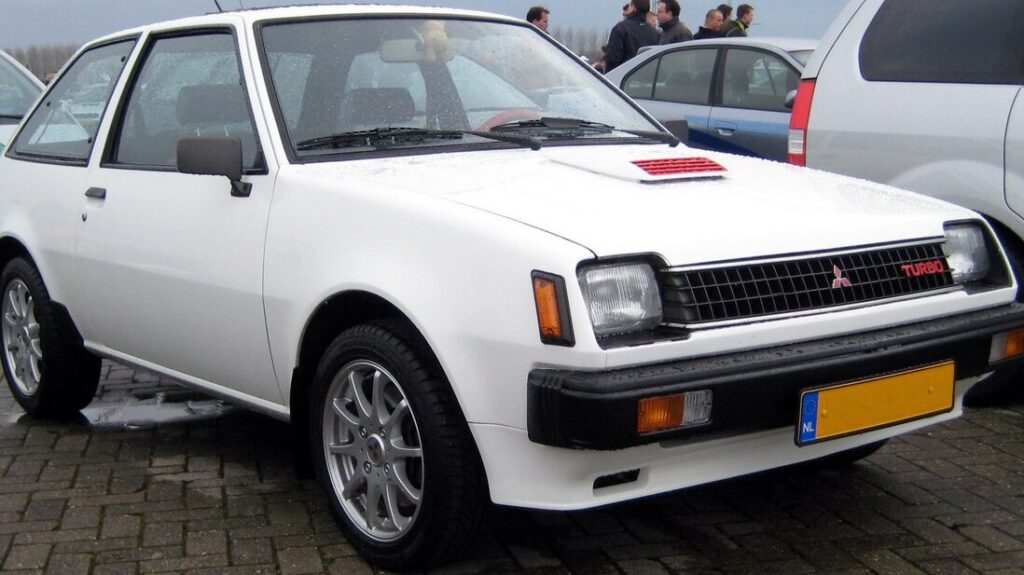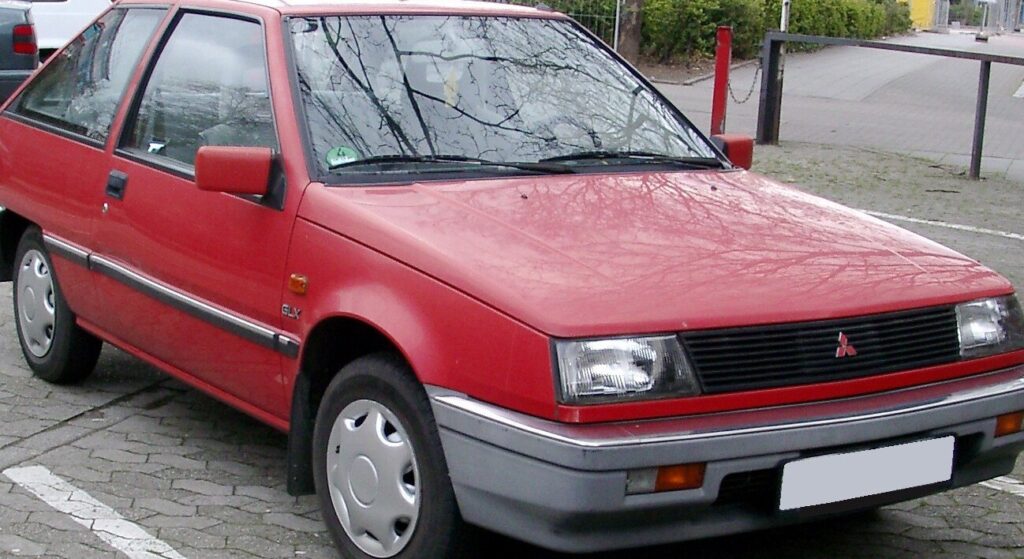
The Mitsubishi Colt II (C10) 1.2 EL/GL, powered by the C15A engine producing 60 horsepower, represents an entry-level offering within the second generation Colt lineup, manufactured between 1986 and 1988. This variant was primarily aimed at the European and Asian markets, offering affordable and economical transportation in the supermini segment. It served as the base model for the C10 Colt, providing a practical and reliable option for budget-conscious buyers. The C10 Colt, as a whole, was a significant step forward for Mitsubishi in the small car market, offering improved styling, interior space, and mechanical refinement compared to its predecessor.
Technical Specifications
| Brand | Mitsubishi |
| Model | Colt |
| Generation | Colt II (C10) |
| Type (Engine) | 1.2 EL/GL (C15A) (60 Hp) |
| Start of Production | 1986 |
| End of Production | 1988 |
| Powertrain Architecture | Internal Combustion Engine |
| Body Type | Hatchback |
| Fuel Type | Petrol (Gasoline) |
| Power | 60 Hp |
| Engine Aspiration | Naturally Aspirated |
Powertrain & Engine Architecture
The heart of the Colt II 1.2 EL/GL is the C15A engine, a 1.2-liter (1198cc) inline-four cylinder gasoline engine. This engine is a naturally aspirated unit, meaning it doesn’t utilize a turbocharger or supercharger. It features a single overhead camshaft (SOHC) valvetrain operating two valves per cylinder. The C15A engine employed a carburetor fuel delivery system, a common feature for vehicles of this era, prioritizing simplicity and cost-effectiveness over the more advanced fuel injection systems. The engine’s relatively low compression ratio (typically around 9.0:1) contributed to its ability to run on lower octane fuel, further enhancing its affordability. The 60 horsepower output is achieved at approximately 6000 rpm, while peak torque of around 78 lb-ft (106 Nm) is delivered at 3000 rpm. This engine was paired with a three-speed automatic transmission, a relatively uncommon offering in the supermini class at the time, designed to provide ease of use for urban driving. The automatic transmission was a simple three-speed unit, prioritizing durability and ease of maintenance over outright performance.
Driving Characteristics
The driving experience in the Colt II 1.2 EL/GL with the automatic transmission is best described as practical and undemanding. Acceleration is modest, with a 0-60 mph time estimated to be around 15-17 seconds. The three-speed automatic transmission, while convenient, doesn’t offer the responsiveness of a manual gearbox or the efficiency of a more modern automatic. Gear changes are noticeable, and the engine can feel strained when attempting brisk acceleration. However, for typical city driving and commuting, the powertrain provides sufficient power. The automatic transmission’s gear ratios are geared towards fuel economy rather than performance. Compared to the five-speed manual version of the 1.2L Colt, the automatic suffers a noticeable performance deficit. The manual transmission allows the engine to operate within its optimal power band more effectively, resulting in quicker acceleration and improved fuel economy. The suspension is tuned for comfort, providing a reasonably smooth ride over uneven surfaces, although body roll is noticeable during cornering.
Equipment & Trim Levels
The EL and GL trim levels represented the base and mid-range offerings within the Colt II lineup. The EL trim was the most basic, typically featuring steel wheels, vinyl upholstery, and minimal interior trim. The GL trim, a slight step up, usually included features such as cloth upholstery, a more comprehensive instrument cluster, and potentially a basic radio. Standard equipment across both trims generally included front disc brakes, rear drum brakes, and basic safety features for the time. Optional extras, depending on the market, could include a sunroof, upgraded audio systems, and power steering. The interior design was functional and straightforward, prioritizing practicality over luxury. The dashboard layout was simple, with clearly labeled controls. Interior space was relatively generous for a supermini, offering comfortable seating for four adults.
Chassis & Braking
The Colt II C10 utilized a front-wheel-drive layout with a MacPherson strut suspension in the front and a torsion beam suspension in the rear. This suspension setup provided a good balance between ride comfort and handling. The steering was typically unassisted, requiring a bit more effort at low speeds. Braking duties were handled by front disc brakes and rear drum brakes. The braking system was adequate for the vehicle’s weight and performance, but lacked the stopping power of more modern braking systems. Stabilizer bars were not standard on the base EL trim, but were often included on the GL model, improving handling and reducing body roll. The chassis was relatively lightweight, contributing to the car’s fuel efficiency and maneuverability.
Market Reception & Comparison
The Mitsubishi Colt II 1.2 EL/GL was generally well-received as an affordable and reliable supermini. Critics praised its practicality, fuel economy, and ease of driving, particularly with the automatic transmission. However, the 60 horsepower engine was often criticized for being underpowered, especially when paired with the automatic gearbox. Compared to competitors such as the Ford Fiesta, Volkswagen Polo, and Peugeot 205, the Colt II offered a competitive price point and a reputation for reliability. The automatic transmission version, while convenient, was less popular than the manual transmission models due to its lower performance and slightly higher fuel consumption. Fuel economy was a strong point for the 1.2L engine, typically achieving around 45-50 mpg in mixed driving conditions. Reliability was generally good, with the C15A engine proving to be a durable and long-lasting unit.
Legacy
The Mitsubishi Colt II 1.2 EL/GL, while not the most powerful or exciting variant in the C10 lineup, remains a popular choice among classic car enthusiasts and budget-conscious buyers. The C15A engine is known for its simplicity and reliability, making it relatively easy and inexpensive to maintain. Parts availability is generally good, although some components may be becoming increasingly difficult to find. Today, these cars are often sought after as affordable and practical city cars or as project vehicles for restoration. The automatic transmission version, while less desirable to some, offers a unique and convenient driving experience. The Colt II C10, in general, represents a significant milestone in Mitsubishi’s history, establishing the brand as a serious contender in the European and Asian supermini market. The 1.2L automatic variant, though entry-level, provided a valuable option for those seeking a simple, reliable, and economical mode of transportation.