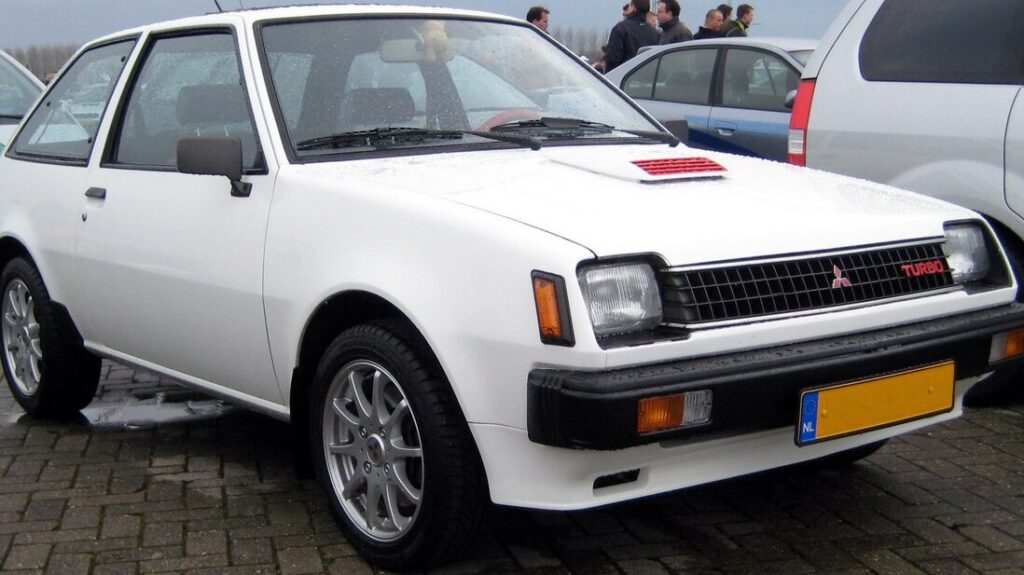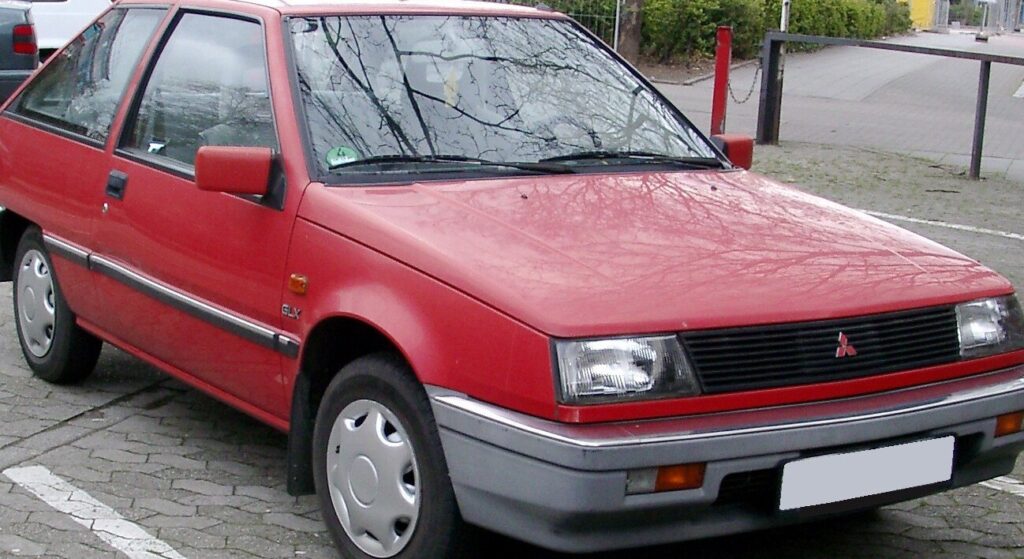
The Mitsubishi Colt II (C10) 1.5 GLX, powered by the C12A engine producing 70 horsepower, was a key variant in the second generation of Mitsubishi’s popular Colt hatchback. Produced from 1985 to 1988, this model occupied a significant position in the European and Asian markets as an affordable and practical entry-level vehicle. It represented a step up from the base models, offering a balance of fuel efficiency and reasonable performance for everyday commuting and family use. The C10 Colt II aimed to compete with rivals like the Peugeot 205, Renault 5, and Fiat Uno, offering a Japanese alternative in a segment dominated by European manufacturers.
Technical Specifications
| Brand | Mitsubishi |
| Model | Colt |
| Generation | Colt II (C10) |
| Type | 1.5 GLX (C12A) (70 Hp) |
| Start of Production | 1985 |
| End of Production | 1988 |
| Powertrain Architecture | Internal Combustion Engine |
| Body Type | Hatchback |
| Fuel Type | Petrol (Gasoline) |
| Power | 70 Hp |
| Engine Aspiration | Naturally Aspirated |
Introduction
The Mitsubishi Colt II (C10), launched in 1985, was a significant redesign of the original Colt. The C10 series represented a move towards more modern styling and improved mechanicals. The 1.5 GLX trim, equipped with the C12A engine, was positioned as a mid-range offering within the Colt II lineup. It sat above the base models, typically featuring a smaller engine, and below the more performance-oriented variants, if available in specific markets. The Colt II was primarily aimed at the European and Asian markets, where smaller, fuel-efficient hatchbacks were in high demand. It was a crucial model for Mitsubishi in establishing a stronger presence in these regions.
Powertrain & Engine Architecture
The heart of the 1.5 GLX was the Mitsubishi C12A engine, a 1.5-liter inline-four cylinder gasoline engine. This engine was a naturally aspirated unit, meaning it did not utilize a turbocharger or supercharger. It featured a single overhead camshaft (SOHC) valvetrain, operating two valves per cylinder. Fuel delivery was managed by a carburetor, a common feature for vehicles of this era, though some later iterations may have incorporated early fuel injection systems depending on the specific market. The C12A produced 70 horsepower at approximately 5,500 rpm and around 95 lb-ft of torque at 3,000 rpm. The engine was known for its relative simplicity and durability, making it a reliable powerplant for everyday use. The transmission paired with the C12A in the 1.5 GLX was typically a four-speed automatic, designed to provide ease of driving, particularly in urban environments. This automatic transmission, while offering convenience, did impact overall performance and fuel economy compared to the available manual transmission options.
Driving Characteristics
The 1.5 GLX with the automatic transmission offered a comfortable, if not particularly sporty, driving experience. Acceleration was adequate for city driving and highway merging, but it wasn’t designed for rapid acceleration. The four-speed automatic transmission had relatively widely spaced gear ratios, which meant that the engine often operated at higher rpm during cruising, impacting fuel economy. Compared to the manual transmission versions of the 1.5L Colt II, the automatic variant felt noticeably slower. The manual transmission allowed for better control over engine speed and provided quicker acceleration. The suspension was tuned for comfort, providing a reasonably smooth ride over uneven surfaces. Handling was predictable, but not particularly engaging. The steering was light and easy to use, making it well-suited for navigating tight city streets. Overall, the driving experience prioritized practicality and ease of use over outright performance.
Equipment & Trim Levels
The GLX trim level offered a step up in features compared to the base Colt II models. Standard equipment typically included cloth upholstery, a basic stereo system (often AM/FM radio), and a more comprehensive instrument cluster. The interior was functional and relatively spacious for a vehicle of its size. Optional extras available for the 1.5 GLX could include power windows, central locking, and upgraded stereo systems. The dashboard layout was straightforward and easy to use, with clearly labeled controls. The exterior of the GLX often featured color-coded bumpers and door handles, as well as slightly more stylish wheel covers compared to the base models. The overall interior ambiance was designed to be practical and durable, rather than luxurious.
Chassis & Braking
The Mitsubishi Colt II (C10) utilized a front-engine, front-wheel-drive layout. The suspension consisted of MacPherson struts at the front and a torsion beam axle at the rear. This suspension setup provided a good balance of ride comfort and handling. Braking systems varied depending on the market. Many European and Asian market versions of the 1.5 GLX were equipped with front disc brakes and rear drum brakes. The drum brakes at the rear were a cost-saving measure, but adequate for the vehicle’s weight and performance. Steering was typically rack and pinion, providing precise and responsive steering feel. Stabilizer bars were often included, particularly on higher trim levels like the GLX, to reduce body roll during cornering. The chassis was relatively lightweight, contributing to the vehicle’s fuel efficiency.
Market Reception & Comparison
The Mitsubishi Colt II 1.5 GLX was generally well-received by automotive critics as a practical and affordable hatchback. It was praised for its reliability, fuel efficiency, and ease of driving. However, the automatic transmission was sometimes criticized for its sluggish performance and impact on fuel economy. Compared to other vehicles in its class, such as the Peugeot 205 and Renault 5, the Colt II offered a slightly less refined driving experience but often represented better value for money. The 1.5 GLX offered a good compromise between performance and economy, making it a popular choice for families and commuters. Fuel economy was typically in the range of 35-40 mpg, depending on driving conditions. Reliability was generally good, with the C12A engine proving to be a durable and long-lasting unit.
Legacy
The Mitsubishi Colt II (C10) 1.5 GLX, while not a groundbreaking vehicle, played an important role in establishing Mitsubishi’s presence in the European and Asian hatchback markets. The C12A engine, in particular, gained a reputation for its reliability and longevity. Today, the Colt II is considered a classic car by many enthusiasts. Well-maintained examples are becoming increasingly rare, and are sought after by collectors and those looking for a nostalgic driving experience. The 1.5 GLX automatic variant, while not the most desirable version from a performance standpoint, remains a viable and affordable option for those seeking a classic Japanese hatchback. Parts availability can be a challenge, but many components are still available through specialist suppliers and online marketplaces. The Colt II’s enduring appeal lies in its simplicity, practicality, and the enduring reputation of the Mitsubishi brand.