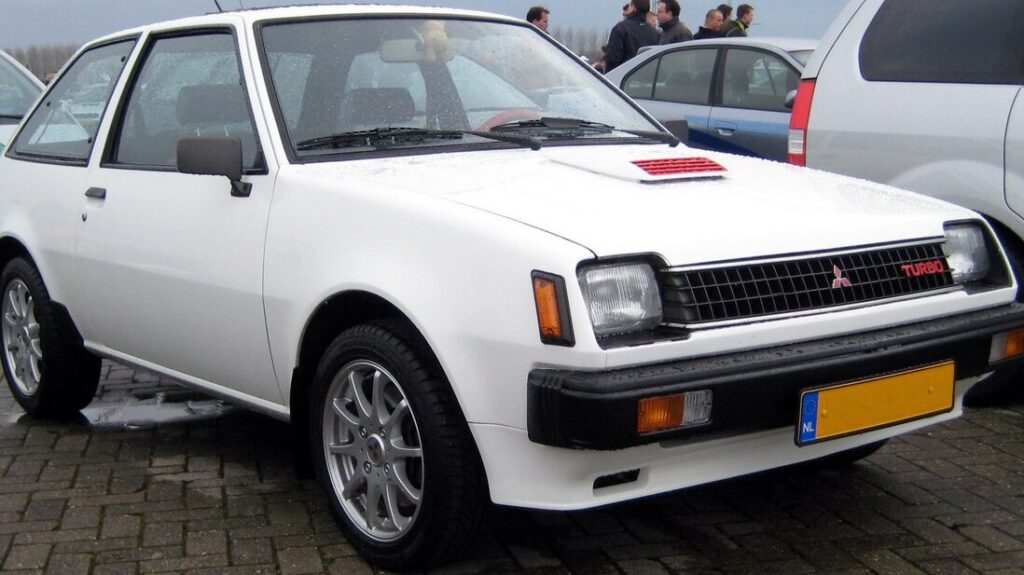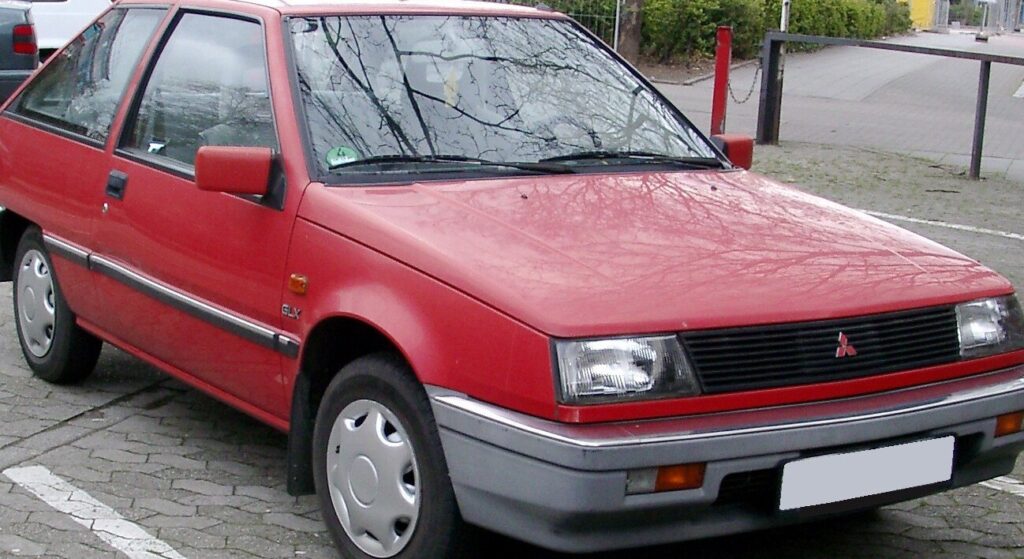
The Mitsubishi Colt II (C10) 1.8 GL Diesel, produced between 1984 and 1986, represented a significant offering in Mitsubishi’s compact car lineup. Part of the C10 series, the second generation Colt aimed to provide an affordable and practical vehicle for the European and Asian markets, particularly appealing to buyers seeking fuel efficiency. This specific 1.8 GL Diesel variant, powered by the C14A engine, occupied a position as a sensible, economy-focused trim level within the broader Colt II range, sitting below the gasoline-powered options and offering a diesel alternative for those prioritizing fuel costs over outright performance. It was a key model in Mitsubishi’s strategy to broaden its appeal in a competitive segment.
Technical Specifications
| Brand | Mitsubishi |
| Model | Colt |
| Generation | Colt II (C10) |
| Type (Engine) | 1.8 GL Diesel (C14A) (58 Hp) |
| Start of production | 1984 |
| End of production | 1986 |
| Powertrain Architecture | Internal Combustion engine |
| Body type | Hatchback |
| Fuel Type | Diesel |
| Power | 58 Hp |
| Engine aspiration | Naturally aspirated engine |
Powertrain & Engine Architecture
The heart of the Colt II 1.8 GL Diesel is the Mitsubishi C14A engine, a 1.8-liter inline-four diesel. This engine, while modest in output by modern standards, was designed for durability and fuel economy. It featured a naturally aspirated configuration, meaning it relied solely on atmospheric pressure to draw air into the cylinders, rather than utilizing a turbocharger or supercharger. The C14A employed indirect injection, a common diesel technology of the era, where fuel was pre-combustion chamber before being injected into the main cylinder. This system contributed to quieter operation and reduced emissions compared to direct injection diesels of the time, though at the expense of some efficiency. The engine’s valvetrain consisted of a single overhead camshaft (SOHC) operating two valves per cylinder. The transmission paired with the C14A in the 1.8 GL Diesel was typically a four-speed automatic, chosen to enhance ease of driving, particularly in urban environments. This automatic transmission, while providing convenience, did impact acceleration and overall fuel efficiency compared to the available five-speed manual gearbox.
Driving Characteristics
The driving experience in the Colt II 1.8 GL Diesel was characterized by its practicality and focus on economy. With only 58 horsepower on tap, acceleration was leisurely, and overtaking required careful planning. The four-speed automatic transmission, while smooth in operation, had relatively widely spaced gear ratios, which meant the engine often operated at higher RPMs during cruising, potentially increasing noise levels. Compared to the gasoline-powered Colt II variants, the diesel model offered significantly more torque at lower engine speeds, making it more tractable in everyday driving situations, especially when carrying a load. However, the diesel’s slower revving nature and lower peak power meant it couldn’t match the responsiveness of its petrol counterparts. The manual transmission versions of the 1.8 diesel offered slightly improved fuel economy and a more engaging driving experience, but the automatic was favored by buyers prioritizing convenience.
Equipment & Trim Levels
The 1.8 GL Diesel trim level represented a mid-range offering within the Colt II lineup. Standard equipment typically included cloth upholstery, basic instrumentation (speedometer, fuel gauge, temperature gauge), and a two-spoke steering wheel. The interior was functional and durable, prioritizing practicality over luxury. Optional extras available for the GL Diesel could include a radio/cassette player, upgraded seat fabrics, and occasionally, power windows. The exterior featured steel wheels with hubcaps, black plastic bumpers, and relatively simple styling. The GL trim generally offered a step up in interior appointments compared to the base model, but lacked the more sophisticated features found in higher-spec Colt II variants.
Chassis & Braking
The Colt II utilized a relatively simple chassis design, featuring a front MacPherson strut suspension and a rear trailing arm setup. This configuration provided a comfortable ride, although handling was not particularly sporty. The suspension was tuned for everyday use, prioritizing ride quality over sharp cornering. Braking on the 1.8 GL Diesel typically consisted of front disc brakes and rear drum brakes. This configuration was common for vehicles in this class during the 1980s. The braking system was adequate for normal driving conditions, but lacked the stopping power of more modern vehicles. Stabilizer bars were often omitted on the base and mid-range trims, further contributing to a less dynamic handling experience. The overall chassis design was geared towards providing a safe and reliable platform for everyday transportation.
Market Reception & Comparison
The Mitsubishi Colt II 1.8 GL Diesel received generally positive reviews for its fuel efficiency and practicality. Critics acknowledged its modest performance but praised its durability and low running costs. Compared to other diesel-powered hatchbacks of the era, such as the Peugeot 205 Diesel or the Renault 5 Diesel, the Colt II offered a competitive level of equipment and a relatively comfortable ride. However, it often lagged behind in terms of outright performance and refinement. The gasoline-powered Colt II variants, particularly the 1.6-liter models, offered more spirited driving experiences but at the expense of fuel economy. The diesel model appealed to buyers who prioritized cost-effectiveness and reliability over performance, making it a popular choice for fleet operators and private buyers seeking a sensible and economical vehicle.
Legacy
The Mitsubishi Colt II 1.8 GL Diesel, while not a performance icon, holds a respectable place in automotive history as a practical and reliable compact car. The C14A diesel engine proved to be remarkably durable, and many examples remain on the road today, testament to its robust construction. In the used car market, these Colt II diesels are often sought after by enthusiasts looking for a simple, affordable, and fuel-efficient classic. Maintenance is generally straightforward, and parts availability, while diminishing, is still reasonable. The 1.8 GL Diesel represents a snapshot of 1980s automotive engineering, prioritizing practicality and economy in a segment increasingly focused on performance and style. Its enduring appeal lies in its simplicity, reliability, and the enduring reputation of the Mitsubishi brand for building durable vehicles.