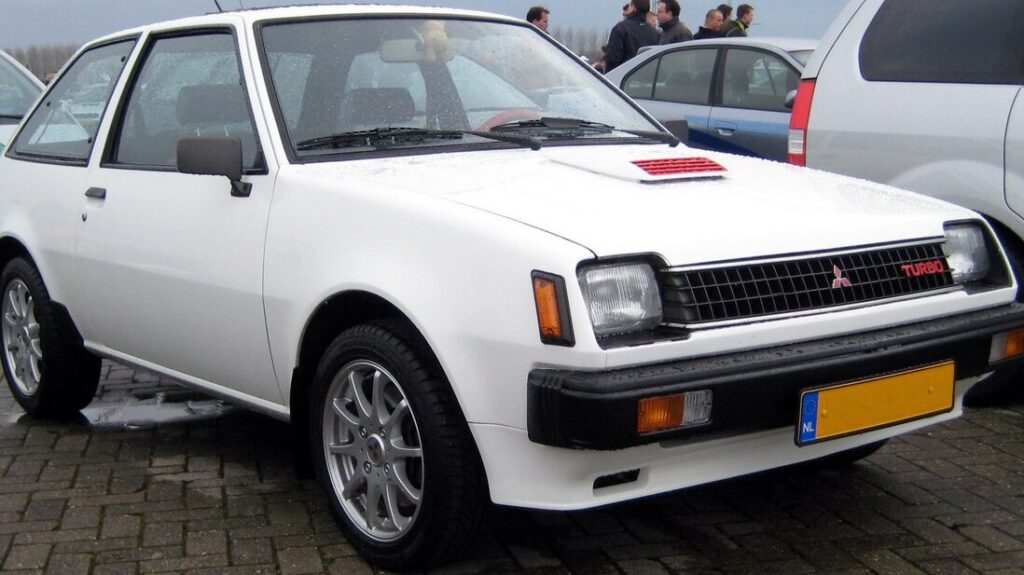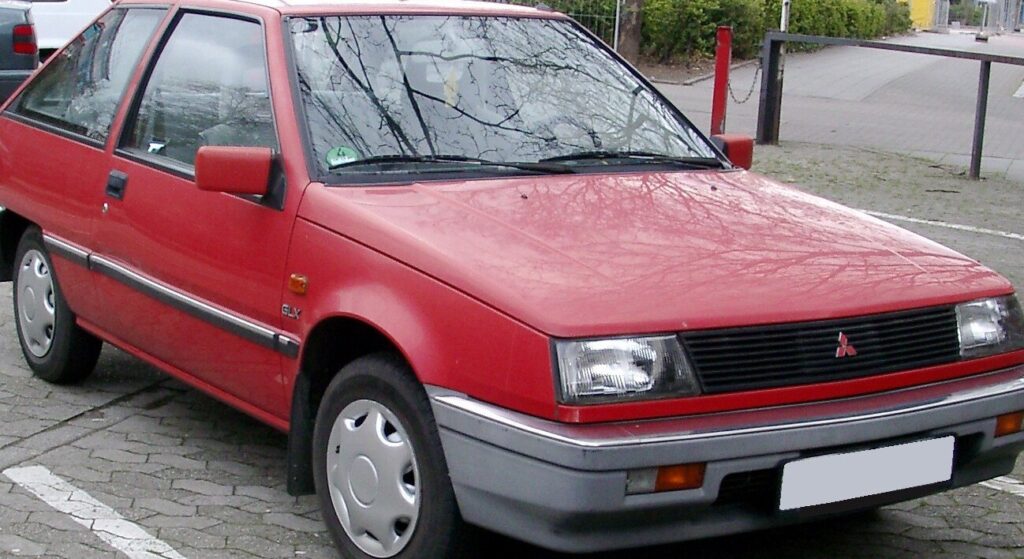
The Mitsubishi Colt II (C10) 1.8 GL Diesel, powered by the C14A engine producing 60 horsepower, was a variant of the second-generation Colt offered between 1986 and 1988. This model occupied a specific niche within the Colt II lineup, primarily aimed at buyers seeking fuel economy and practicality over outright performance. It represented Mitsubishi’s entry into the European small car market with a diesel option, competing with vehicles like the Peugeot 205 and Renault 5. The C10 Colt was a significant step for Mitsubishi in establishing a foothold outside of its domestic Japanese market.
Technical Specifications
| Brand | Mitsubishi |
| Model | Colt |
| Generation | Colt II (C10) |
| Type (Engine) | 1.8 GL Diesel (C14A) (60 Hp) |
| Start of production | 1986 |
| End of production | 1988 |
| Powertrain Architecture | Internal Combustion engine |
| Body type | Hatchback |
| Fuel Type | Diesel |
| Power | 60 Hp |
| Engine aspiration | Naturally aspirated engine |
Introduction
The Mitsubishi Colt II (C10), launched in 1986, was a re-engineered and significantly updated version of the original Colt. Built on the A30 platform, it was designed to appeal to a broader European audience than its predecessor. The 1.8 GL Diesel variant, equipped with the C14A engine, was introduced as a fuel-efficient option in a market increasingly concerned with rising gasoline prices. Production spanned from 1986 to 1988, and the model was primarily sold in Europe, where diesel engines were gaining popularity due to their economy. The GL trim level denoted a mid-range specification, offering a balance between affordability and features.
Powertrain & Engine Architecture
The heart of the 1.8 GL Diesel was the Mitsubishi C14A engine, a 1.8-liter inline-four diesel. This engine was a naturally aspirated, indirect injection diesel, a common configuration for the time. It produced 60 horsepower at around 4,000 rpm and approximately 88 lb-ft of torque. The C14A utilized a Bosch rotary injection pump, a relatively simple and robust system. The engine featured a cast iron block and an aluminum cylinder head, contributing to its durability. The engine’s valvetrain consisted of a single overhead camshaft operating two valves per cylinder.
The transmission paired with the C14A in the 1.8 GL Diesel was a four-speed automatic. This transmission was chosen to enhance the car’s ease of use, particularly in urban environments. While not known for its sporty performance, the automatic transmission provided smooth shifts and contributed to the car’s overall refinement. The transmission’s gear ratios were optimized for fuel efficiency and low-speed drivability, rather than acceleration.
Driving Characteristics
The 1.8 GL Diesel, with its 60 horsepower and automatic transmission, was not a performance-oriented vehicle. Acceleration was modest, and overtaking required careful planning. However, the engine’s torque characteristics meant that it felt reasonably responsive at lower speeds. The automatic transmission, while smooth, did detract from the overall driving experience, resulting in a somewhat sluggish feel. Compared to the 1.6-liter gasoline versions of the Colt II, the diesel offered significantly less power but superior fuel economy. The diesel also provided a more relaxed driving experience, particularly on long journeys, due to its lower engine speeds at cruising speeds. Compared to a manual transmission version, the automatic reduced driver involvement but increased convenience.
Equipment & Trim Levels
The GL trim level for the Colt II 1.8 Diesel positioned it as a mid-range offering. Standard equipment typically included cloth upholstery, a basic stereo system, and manual windows. The dashboard featured a straightforward layout with analog gauges for speed, fuel level, and coolant temperature. Optional extras available for the GL trim included a sunroof, upgraded stereo, and central locking. The interior was functional and durable, prioritizing practicality over luxury. The exterior featured body-colored bumpers and hubcaps, distinguishing it from the more basic models.
Chassis & Braking
The Colt II (C10) utilized a MacPherson strut front suspension and a torsion beam rear suspension. This setup provided a reasonable balance between ride comfort and handling. The 1.8 GL Diesel, due to its heavier engine, often featured slightly stiffer springs compared to the gasoline-powered models. Braking was typically accomplished with disc brakes on the front wheels and drum brakes on the rear. The braking system was adequate for the car’s performance, but lacked the stopping power of more modern vehicles. Stabilizer bars were fitted to both the front and rear axles to reduce body roll during cornering.
Market Reception & Comparison
The Mitsubishi Colt II 1.8 GL Diesel received mixed reviews. Critics praised its fuel economy and practicality, but criticized its lack of performance. It was seen as a sensible and economical choice for buyers who prioritized fuel efficiency over driving excitement. Compared to other diesel-powered small cars of the time, such as the Peugeot 205 Diesel and Renault 5 Diesel, the Colt II offered a competitive level of equipment and a relatively refined driving experience. However, it often lagged behind in terms of outright performance and handling. Fuel economy was a key selling point, with the 1.8 GL Diesel achieving around 50-55 mpg in real-world driving conditions.
Legacy
The Mitsubishi Colt II 1.8 GL Diesel, while not a particularly memorable or iconic vehicle, played a role in establishing Mitsubishi’s presence in the European market. The C14A engine proved to be a durable and reliable unit, and many examples are still on the road today. In the used car market, these Colts are valued for their simplicity, fuel efficiency, and low running costs. However, finding parts can be challenging due to the car’s age and limited production numbers. The 1.8 GL Diesel represents a snapshot of automotive engineering from the 1980s, a time when fuel economy and practicality were increasingly important considerations for car buyers. The car’s enduring appeal lies in its honest and straightforward design, offering a no-frills transportation solution for those seeking a reliable and economical vehicle.