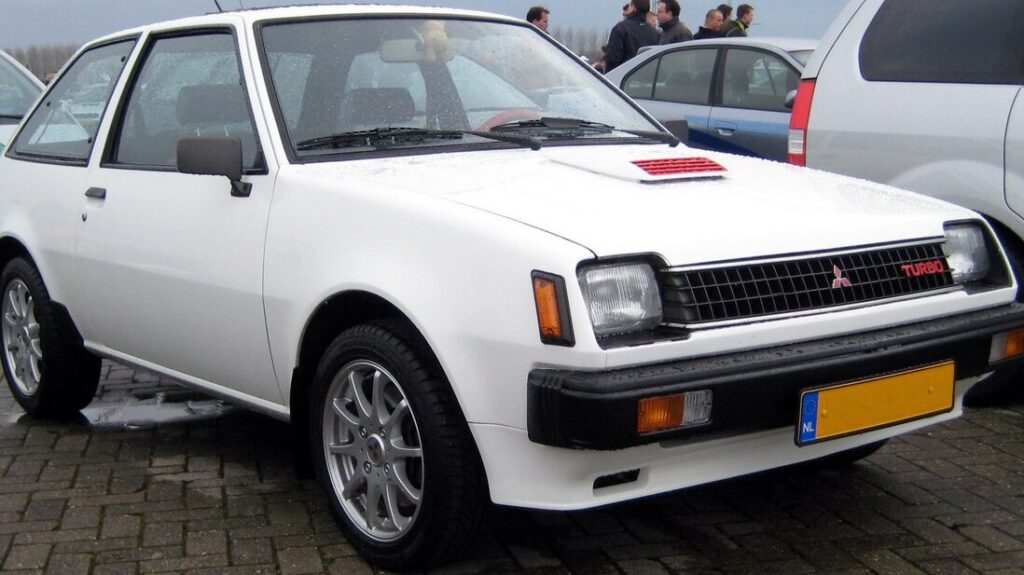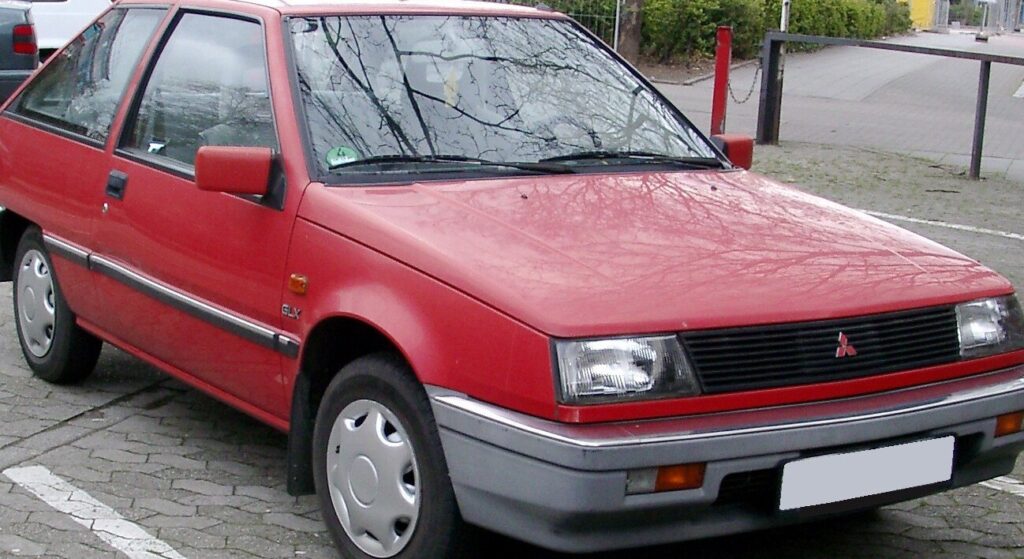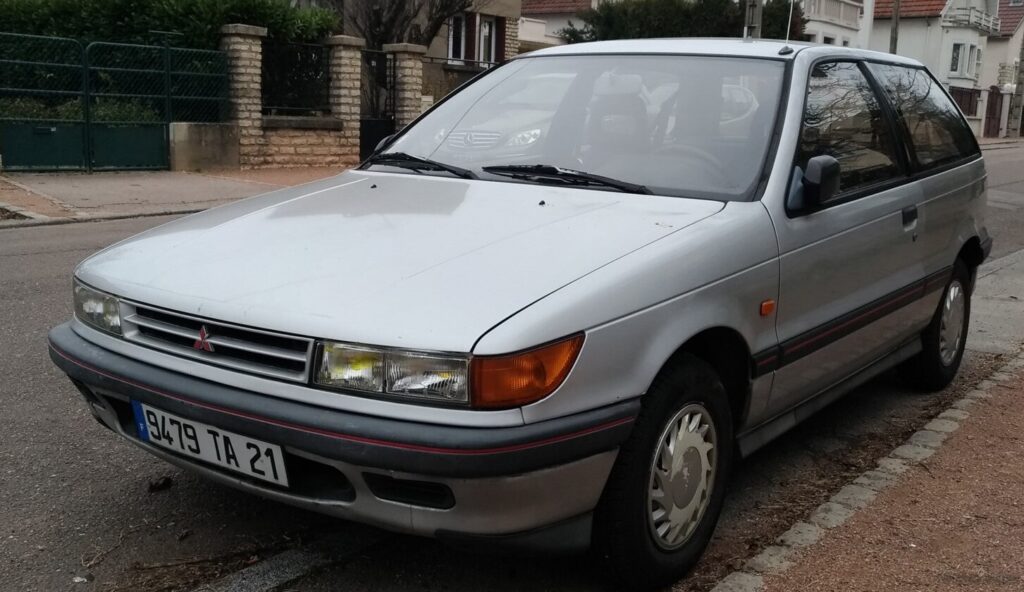
The Mitsubishi Colt III, specifically the 1.3-liter (C51A) variant producing 70 horsepower, was a key model in Mitsubishi’s lineup during its 1988-1992 production run. This generation Colt (C50 chassis code) represented a significant step forward for Mitsubishi in the subcompact hatchback segment, aiming to provide affordable and reliable transportation. The C51A, denoting the 1.3L engine and specific trim level, served as the entry point into the Colt III range, targeting budget-conscious buyers and those seeking a practical city car. It was a popular choice in Europe and other international markets, though less common in the United States due to Mitsubishi’s limited presence there at the time.
Technical Specifications
| Brand | Mitsubishi |
| Model | Colt |
| Generation | Colt III (C50) |
| Type (Engine) | 1.3 (C51A) (70 Hp) |
| Start of production | 1988 |
| End of production | 1992 |
| Powertrain Architecture | Internal Combustion Engine |
| Body type | Hatchback |
| Fuel Type | Petrol (Gasoline) |
| Power | 70 Hp |
| Engine Aspiration | Naturally Aspirated |
Powertrain & Engine Architecture
The heart of the C51A Colt III is the 4G13 1.3-liter inline-four cylinder engine. This engine, a staple in several Mitsubishi vehicles of the era, is a naturally aspirated, single overhead camshaft (SOHC) design. It utilizes a two-valve per cylinder configuration, contributing to its simplicity and reliability. Fuel delivery is managed by a carburetor in most European market examples, though some later models and specific regions saw the introduction of multi-point fuel injection. The 4G13 engine produces 70 horsepower at approximately 6,000 rpm and 87 lb-ft of torque at 4,000 rpm.
The C51A typically came equipped with a four-speed automatic transmission. This transmission, while providing ease of use, was not known for its sporty performance. It was geared towards fuel efficiency and smooth operation in urban environments. The automatic transmission’s gear ratios were relatively tall, prioritizing economy over acceleration. Manual transmission options were available in other Colt III variants, offering a more engaging driving experience and slightly improved performance.
Driving Characteristics
The 1.3L automatic Colt III offered a comfortable, if uninspiring, driving experience. Acceleration was modest, with 0-60 mph times estimated around 14-16 seconds. The automatic transmission contributed to a smooth, but somewhat sluggish, response. The engine felt strained when attempting brisk acceleration or climbing hills. However, within city limits, the Colt III proved to be a nimble and easy-to-handle vehicle. The steering was light, making maneuvering in tight spaces effortless. The suspension, while basic, provided a reasonably comfortable ride, absorbing bumps and imperfections in the road surface adequately. Compared to the 1.5L and 1.6L variants, the 1.3L automatic was noticeably slower and less refined, but it offered a lower purchase price and potentially better fuel economy.
Equipment & Trim Levels
The C51A Colt III, as the entry-level model, typically featured a relatively basic level of equipment. Standard features generally included cloth upholstery, a simple dashboard layout with analog gauges, and manual windows and door locks. Power steering was often an optional extra, as was air conditioning. The interior was designed with practicality in mind, offering sufficient space for passengers and a reasonable amount of cargo capacity for its size. Higher trim levels of the Colt III, such as the GLX, offered upgrades like alloy wheels, upgraded interior trim, and additional features like a sunroof and more sophisticated audio systems. The C51A’s trim focused on affordability, making it a popular choice for first-time car buyers or those seeking a basic, reliable mode of transportation.
Chassis & Braking
The Colt III utilized a front-engine, front-wheel-drive layout. The suspension consisted of MacPherson struts at the front and a torsion beam axle at the rear. This setup provided a good balance between ride comfort and handling. The braking system on the C51A typically featured disc brakes at the front and drum brakes at the rear. While adequate for normal driving conditions, the drum brakes at the rear offered less stopping power and fade resistance compared to disc brakes. The chassis was relatively lightweight, contributing to the car’s fuel efficiency and maneuverability. Stabilizer bars were often omitted on the base C51A model to further reduce cost, impacting handling slightly compared to higher-spec versions.
Market Reception & Comparison
The Mitsubishi Colt III 1.3L automatic received generally positive reviews for its affordability, reliability, and fuel efficiency. Critics praised its practicality and ease of use, making it a suitable choice for urban commuting. However, the engine’s lack of power and the automatic transmission’s sluggishness were common criticisms. Compared to rivals like the Ford Fiesta, Opel Corsa, and Peugeot 205, the Colt III offered a competitive package, particularly in terms of value for money. The 1.5L and 1.6L Colt III variants offered significantly improved performance, but at a higher price point. Fuel economy for the 1.3L automatic was typically in the range of 35-45 mpg, depending on driving conditions. Reliability was generally good, with the 4G13 engine proving to be durable and long-lasting.
Legacy
The Mitsubishi Colt III 1.3L automatic, while not a performance icon, holds a respectable place in automotive history as a practical and affordable subcompact hatchback. The 4G13 engine, in particular, gained a reputation for its robustness and longevity. Today, these cars are relatively rare, especially in well-preserved condition. They are often sought after by enthusiasts looking for a simple, reliable, and inexpensive classic car. Parts availability can be a challenge, but many components are still available through specialist suppliers or can be sourced from other Mitsubishi models of the era. The C51A represents a snapshot of 1980s automotive design and engineering, offering a glimpse into a time when affordability and practicality were paramount.