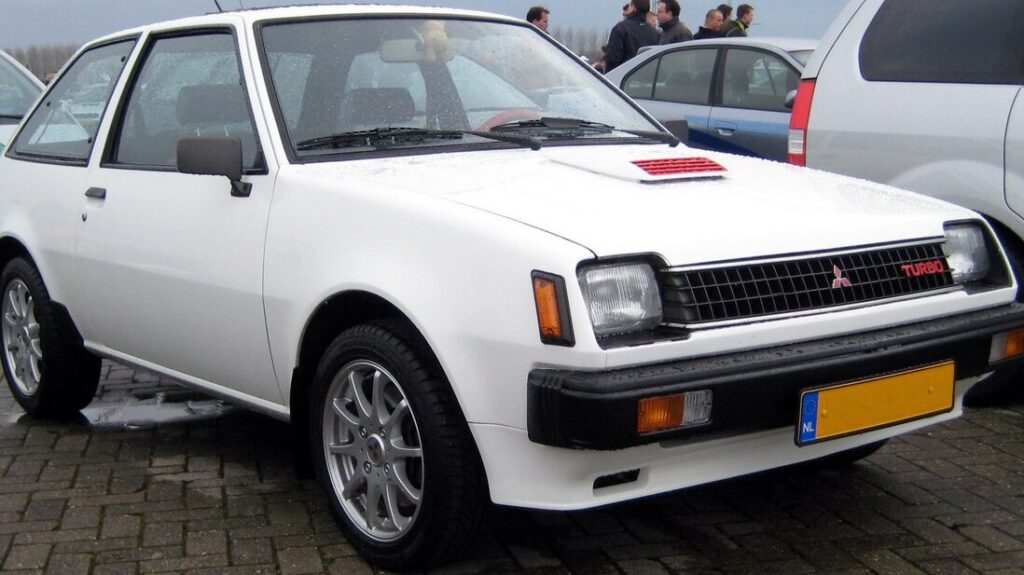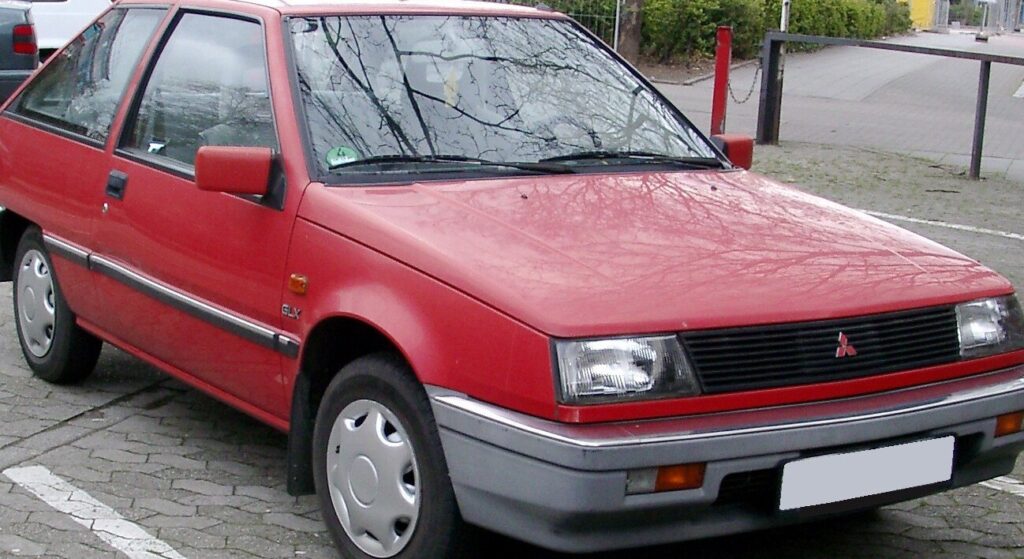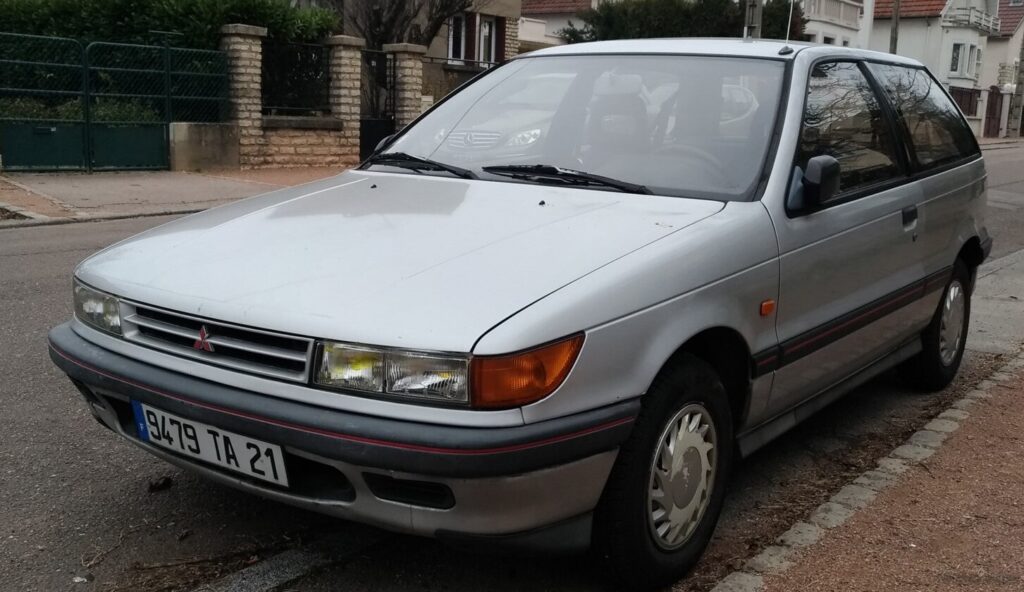
The Mitsubishi Colt III (C50) 1.6 GTi 16V (C53A), produced from 1988 to 1998, represents a performance-oriented variant within the third generation of the Mitsubishi Colt. This model, designated C53A, was a key offering in Mitsubishi’s lineup during a period of increasing hot hatch competition, particularly in Europe and Japan. While not officially sold in the United States, the Colt III was a popular choice for drivers seeking a nimble and relatively affordable sporty hatchback. The 1.6 GTi 16V sat at the top of the performance range for the C50 Colt, offering a significant step up in power and handling compared to the base models.
Technical Specifications
| Brand | Mitsubishi |
| Model | Colt |
| Generation | Colt III (C50) |
| Type (Engine) | 1.6 GTi 16V (C53A) (124 Hp) |
| Start of production | 1988 |
| End of production | 1998 |
| Powertrain Architecture | Internal Combustion Engine |
| Body type | Hatchback |
| Doors | 3 |
| Fuel Type | Petrol (Gasoline) |
| Power | 124 Hp |
| Engine aspiration | Naturally Aspirated |
Powertrain & Engine Architecture
The heart of the C53A Colt GTi 16V is the 4G91 engine, a 1.6-liter inline-four cylinder gasoline engine. This engine is notable for its dual overhead camshafts (DOHC) and four valves per cylinder – hence the “16V” designation. This configuration allowed for improved breathing and higher revs, contributing to its increased power output. The 4G91 engine utilized a multi-point fuel injection system, enhancing fuel efficiency and throttle response. Mitsubishi’s electronic fuel injection (EFI) system, coupled with precise ignition timing, helped the engine produce 124 horsepower at 6,500 rpm and approximately 110 lb-ft of torque at 5,000 rpm. The engine block itself is constructed from cast iron, providing durability, while the cylinder head is aluminum alloy, reducing weight. The C53A was typically paired with a five-speed manual transmission, although a four-speed automatic was also available, albeit less common and generally considered to diminish the car’s sporty character. The automatic transmission, while offering convenience, impacted acceleration and fuel economy.
Driving Characteristics
The 1.6 GTi 16V offered a noticeably more engaging driving experience than the standard Colt models. The engine’s power delivery was relatively linear, with a strong mid-range providing good acceleration for everyday driving. The five-speed manual transmission allowed drivers to fully exploit the engine’s capabilities, while the automatic, though smoother, felt somewhat sluggish in comparison. The Colt GTi 16V’s relatively light weight – around 1,800 to 2,000 lbs depending on equipment – contributed to its nimble handling. Steering was direct and responsive, making it enjoyable to drive on winding roads. Compared to the lower-powered Colt variants, the GTi 16V offered a significantly more spirited driving experience, making it a popular choice for enthusiasts. The automatic transmission version, while comfortable, lost some of the sharpness and responsiveness that defined the manual model. Zero to sixty mph times were in the neighborhood of 8.5 to 9.5 seconds for the manual, while the automatic was closer to 10-11 seconds.
Equipment & Trim Levels
The GTi 16V trim level came reasonably well-equipped, though features varied slightly depending on the market. Standard equipment typically included power steering, alloy wheels (usually 14-inch), a sporty interior with bolstered seats, and a tachometer. Interior upholstery was often a combination of cloth and vinyl, with a focus on providing a supportive and comfortable driving position. Optional extras included a sunroof, electric windows, and upgraded audio systems. The dashboard layout was functional and straightforward, with clearly marked gauges and controls. The GTi 16V also featured subtle exterior styling cues, such as a rear spoiler and unique badging, to differentiate it from the lower-spec models. The interior trim was generally more refined than the base Colt models, with a greater emphasis on aesthetics and comfort.
Chassis & Braking
The Colt III utilized a MacPherson strut front suspension and a torsion beam rear suspension. This setup provided a good balance between ride comfort and handling. The GTi 16V often featured a slightly stiffer suspension setup compared to the standard models, further enhancing its handling characteristics. Braking systems varied depending on the market and year. Earlier models typically featured disc brakes on the front wheels and drum brakes on the rear, while later models often received disc brakes all around. The GTi 16V generally had larger brake rotors and calipers than the base models, providing improved stopping power. Stabilizer bars were fitted to both the front and rear axles, reducing body roll during cornering. The chassis was relatively lightweight, contributing to the car’s agility.
Market Reception & Comparison
The Mitsubishi Colt III 1.6 GTi 16V was generally well-received by automotive critics, who praised its sporty handling, responsive engine, and affordability. It was often compared to other hot hatches of the era, such as the Peugeot 205 GTi and the Volkswagen Golf GTI. While not as refined or powerful as some of its rivals, the Colt GTi 16V offered a compelling combination of performance and value. Fuel economy was reasonable for a car of its class, averaging around 30-35 mpg in mixed driving. Reliability was generally good, although some owners reported issues with the fuel injection system and the occasional oil leak. Compared to the 1.5-liter Colt models, the GTi 16V offered a significant performance upgrade, but at a higher price point. The automatic transmission version was often criticized for its lack of responsiveness and reduced fuel economy.
Legacy
The Mitsubishi Colt III 1.6 GTi 16V has developed a cult following among enthusiasts, particularly in Europe and Japan. The 4G91 engine is known for its durability and tunability, making it a popular choice for modifications. Today, well-maintained examples of the C53A Colt GTi 16V are becoming increasingly collectible. While not as widely recognized as some of its more famous rivals, the Colt GTi 16V remains a fondly remembered and capable hot hatch from the late 1980s and 1990s. The powertrain, while aging, is generally considered reliable if properly maintained, and parts availability remains reasonable. The car’s lightweight construction and nimble handling continue to make it an enjoyable driving experience, even by modern standards. Finding a pristine, unmodified example is becoming increasingly difficult, but the Colt GTi 16V remains a testament to Mitsubishi’s ability to produce fun and affordable performance cars.