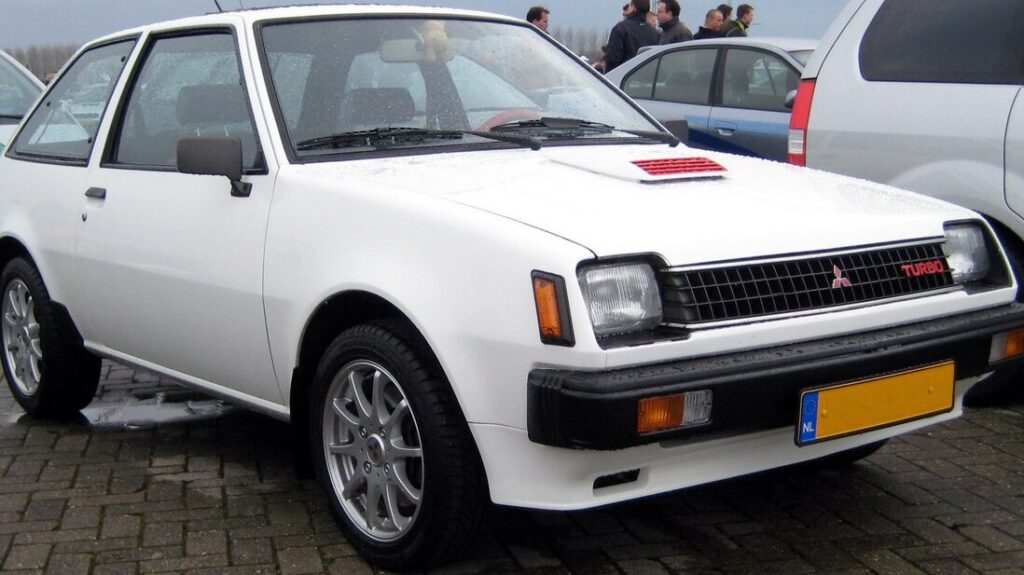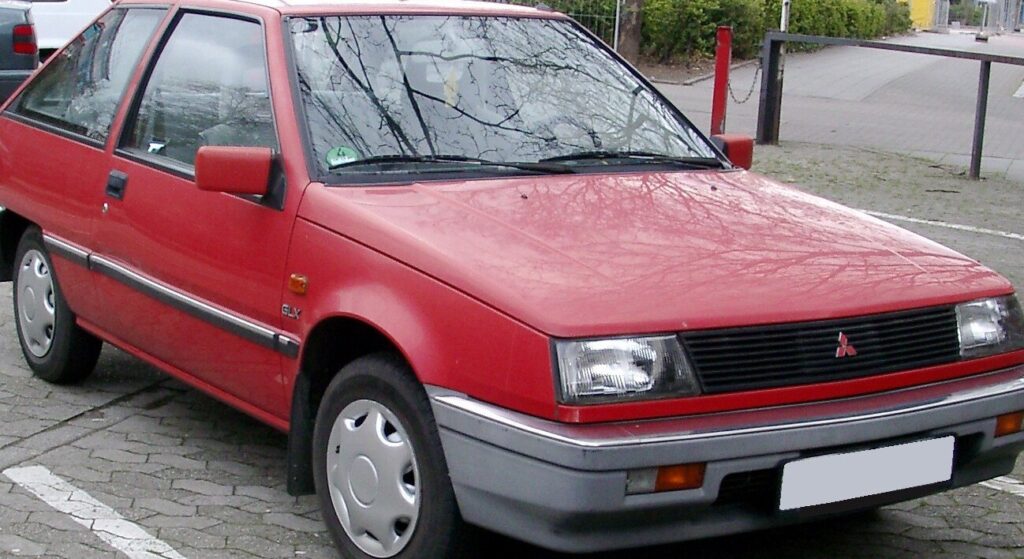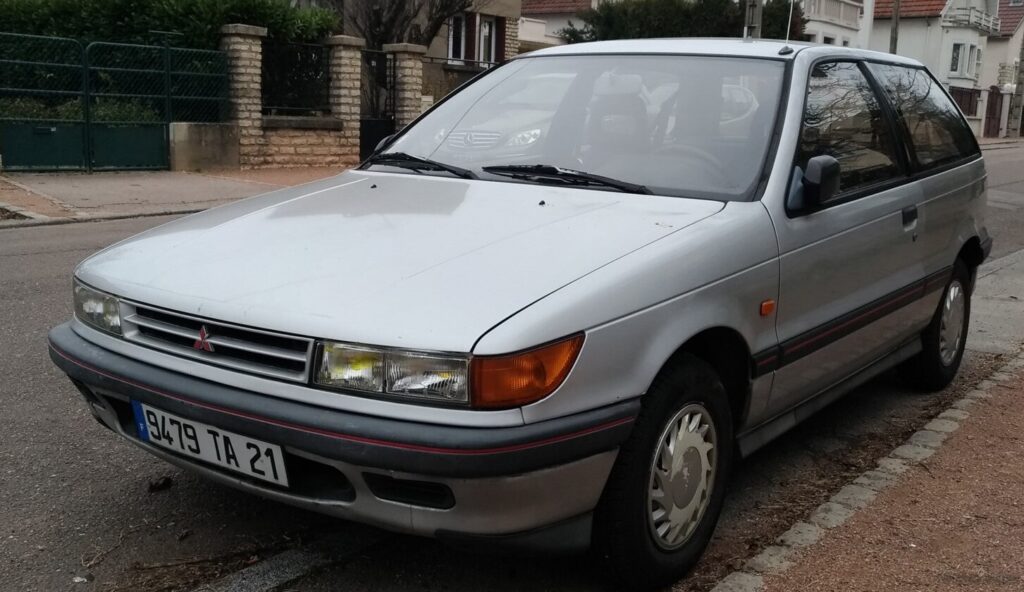
The Mitsubishi Colt III (C50) 1.8, produced between 1988 and 1992, represented a significant offering in Mitsubishi’s European and Asian lineup. Positioned as a mid-range trim within the C50 generation, this variant aimed to provide a balance between affordability, practicality, and reasonable performance. The C50 Colt was a key player in the supermini segment, competing with vehicles like the Peugeot 205, Renault 5, and Ford Fiesta. This particular 1.8-liter, 97 horsepower version was designed to appeal to buyers seeking a bit more power than the base models, without the expense of the higher-performance options. It was primarily sold in Europe and select Asian markets, and was not officially offered in North America.
Technical Specifications
| Brand | Mitsubishi |
| Model | Colt |
| Generation | Colt III (C50) |
| Type (Engine) | 1.8 (97 Hp) |
| Start of production | 1988 |
| End of production | 1992 |
| Powertrain Architecture | Internal Combustion engine |
| Body type | Hatchback |
| Seats | 5 |
| Doors | 3 |
| Fuel Type | Petrol (Gasoline) |
| Acceleration 0 – 100 km/h | 12.6 sec |
| Acceleration 0 – 62 mph | 12.6 sec |
| Acceleration 0 – 60 mph | 12 sec |
| Maximum speed | 168 km/h (104.39 mph) |
| Weight-to-power ratio | 11.7 kg/Hp, 85.5 Hp/tonne |
| Weight-to-torque ratio | 8 kg/Nm, 124.2 Nm/tonne |
| Power | 97 Hp @ 5500 rpm |
| Power per litre | 55.3 Hp/l |
| Torque | 141 Nm @ 4000 rpm (104 lb.-ft. @ 4000 rpm) |
| Engine layout | Front, Transverse |
| Engine displacement | 1755 cm3 (107.1 cu. in.) |
| Number of cylinders | 4 |
| Engine configuration | Inline |
| Piston Stroke | 86 mm (3.39 in.) |
| Compression ratio | 9.5:1 |
| Number of valves per cylinder | 2 |
| Fuel injection system | Single-point injection |
| Engine aspiration | Naturally aspirated engine |
| Valvetrain | OHC |
| Kerb Weight | 1135 kg (2502.25 lbs.) |
| Max. weight | 1620 kg (3571.49 lbs.) |
| Max load | 485 kg (1069.24 lbs.) |
| Trunk (boot) space – minimum | 222 l (7.84 cu. ft.) |
| Trunk (boot) space – maximum | 1050 l (37.08 cu. ft.) |
| Fuel tank capacity | 50 l (13.21 US gal | 11 UK gal) |
| Length | 3950 mm (155.51 in.) |
| Width | 1670 mm (65.75 in.) |
| Height | 1380 mm (54.33 in.) |
| Wheelbase | 2385 mm (93.9 in.) |
| Front track | 1430 mm (56.3 in.) |
| Rear (Back) track | 1430 mm (56.3 in.) |
| Drivetrain Architecture | The Internal combustion engine (ICE) drives the front wheels of the vehicle. |
| Drive wheel | Front wheel drive |
| Number of gears and type of gearbox | 5 gears, manual transmission |
| Front suspension | Coil spring |
| Rear suspension | Coil spring |
| Front brakes | Disc |
| Rear brakes | Drum |
| Assisting systems | ABS (Anti-lock braking system) |
| Steering type | Steering rack and pinion |
| Tires size | 175/70 R13 |
Powertrain & Engine Architecture
The heart of the Colt III 1.8 was the 4G63 engine, a 1.8-liter inline-four cylinder powerplant. This engine utilized a single-point fuel injection system, a common feature for its time, which delivered fuel to the intake manifold rather than directly into the cylinders. The engine featured an overhead camshaft (OHC) valvetrain with two valves per cylinder. While not a particularly sophisticated design by modern standards, it proved to be relatively reliable and easy to maintain. The 4G63 in this configuration produced 97 horsepower at 5500 rpm and 141 Nm (104 lb-ft) of torque at 4000 rpm. The engine was transversely mounted in the front of the vehicle, driving the front wheels. The five-speed manual transmission was the standard offering, providing a reasonable spread of gears for both city driving and highway cruising.
Driving Characteristics
The 1.8-liter Colt offered a noticeable step up in performance compared to the smaller-engined versions. Acceleration to 60 mph took around 12 seconds, and it had a top speed of approximately 104 mph. While not a sports car, the 1.8 provided enough power for confident overtaking and comfortable cruising. The five-speed manual transmission allowed drivers to keep the engine in its optimal power band. The gear ratios were fairly well-spaced, offering a balance between acceleration and fuel economy. Compared to the base 1.3-liter models, the 1.8 felt significantly more responsive, especially at higher speeds. However, it didn’t possess the refinement or outright performance of larger, more expensive hatchbacks available at the time.
Equipment & Trim Levels
The 1.8-liter Colt typically came with a reasonable level of standard equipment for its price point. This included features like a basic stereo, cloth upholstery, and manual windows and door locks. Higher trim levels offered options such as power windows, central locking, and a sunroof. Interior appointments were functional rather than luxurious, with a focus on durability. The dashboard layout was straightforward and easy to use. Optional extras included alloy wheels and upgraded sound systems.
Chassis & Braking
The Colt III utilized a relatively simple chassis design, with coil springs and a stabilizer bar at the front, and coil springs at the rear. The front brakes were discs, providing adequate stopping power, while the rear brakes were drums. The steering was rack and pinion, offering reasonably precise control. The suspension was tuned for comfort rather than outright handling, providing a compliant ride on most road surfaces. The 175/70 R13 tires were a common size for the time, offering a good balance between grip and ride quality.
Market Reception & Comparison
The Mitsubishi Colt III 1.8 was generally well-received by automotive critics as a practical and affordable hatchback. It was praised for its reliability, fuel efficiency, and reasonable performance. However, some critics noted that the interior was somewhat basic and lacked the refinement of some of its competitors. Compared to the smaller-engined Colt models, the 1.8 offered a significant improvement in performance, making it a more appealing option for drivers who frequently traveled on highways or carried passengers. It offered a good value proposition, providing a decent level of equipment and performance at a competitive price.
Legacy
The Mitsubishi Colt III 1.8, while not a groundbreaking vehicle, proved to be a reliable and durable car. The 4G63 engine, in its various forms, became known for its longevity and relatively simple maintenance requirements. Today, well-maintained examples of the Colt III 1.8 are becoming increasingly sought after by classic car enthusiasts. The car’s simplicity and affordability make it an attractive option for those looking for a retro hatchback. Parts availability can be a challenge in some regions, but the 4G63 engine’s widespread use in other Mitsubishi models means that many components are still readily available. The Colt III 1.8 remains a testament to Mitsubishi’s commitment to building practical and dependable vehicles.