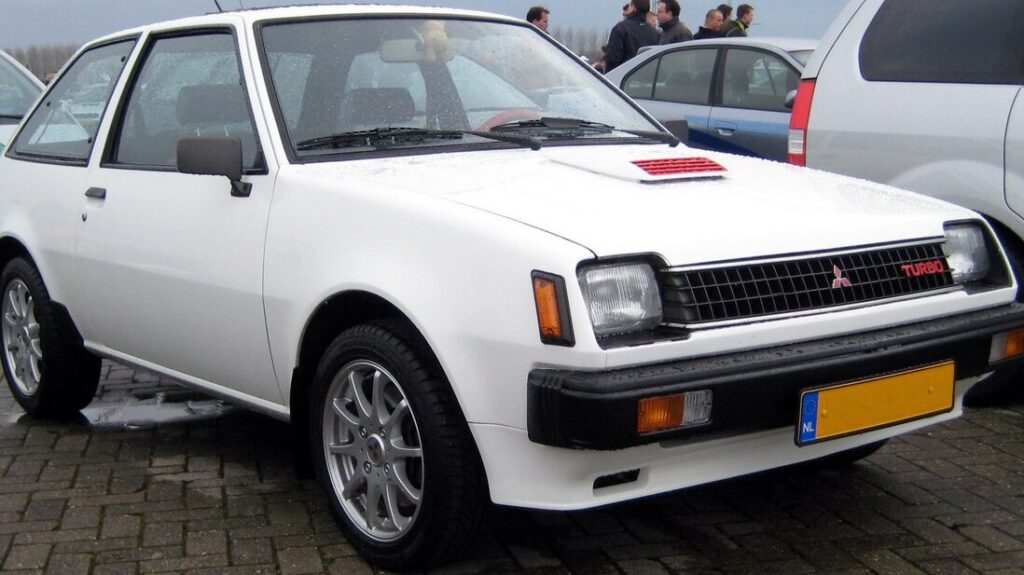
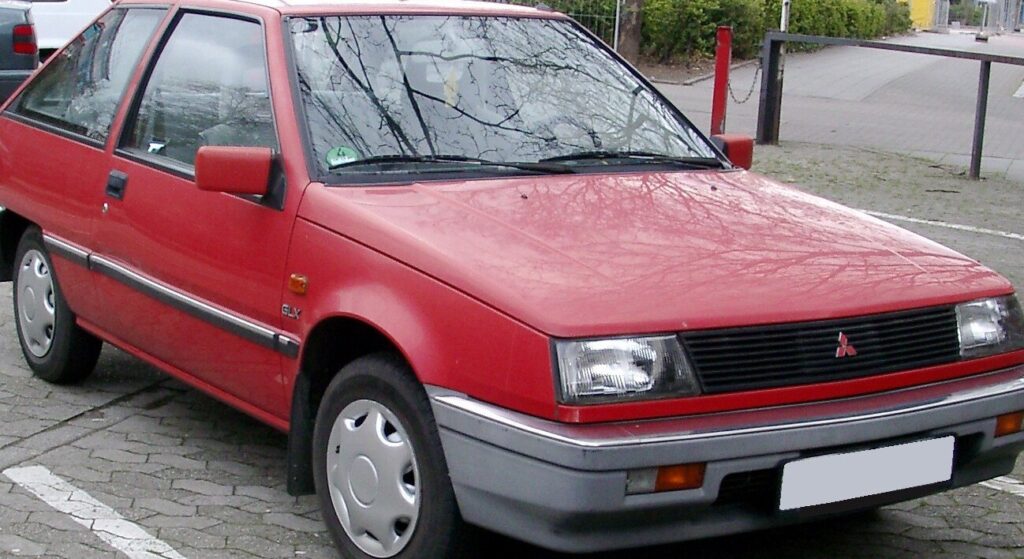
The Mitsubishi Colt Lancer 1.2 (55 hp) represents the entry point into the A7_ generation of Mitsubishi’s popular compact sedan, produced between 1978 and 1979. This variant was primarily aimed at budget-conscious buyers and those seeking economical transportation in a period of rising fuel costs. Positioned as the base model, it offered a simple, reliable, and affordable option within the Colt Lancer lineup, which also included larger-engined and more luxurious trims. The A7_ series itself was a significant model for Mitsubishi, representing a move towards more modern styling and engineering compared to its predecessors, and played a key role in establishing the Lancer nameplate in various international markets.
Technical Specifications
| Brand | Mitsubishi |
| Model | Colt Lancer |
| Generation | Colt Lancer (A7_) |
| Type (Engine) | 1.2 (55 Hp) |
| Start of production | 1978 |
| End of production | 1979 |
| Powertrain Architecture | Internal Combustion engine |
| Body type | Sedan |
| Fuel Type | Petrol (Gasoline) |
| Power | 55 Hp |
| Engine aspiration | Naturally aspirated engine |
Powertrain & Engine Architecture
The heart of the Colt Lancer 1.2 was a 1.2-liter, naturally aspirated four-cylinder gasoline engine. While specific engine codes varied depending on the market, this engine was a relatively simple design, prioritizing fuel efficiency and durability over outright performance. It featured a single overhead camshaft (SOHC) valvetrain, operating two valves per cylinder. Fuel delivery was managed by a carburetor, a common feature for vehicles of this era, rather than fuel injection. This carburetor setup, while less precise than modern fuel injection systems, contributed to the engine’s simplicity and ease of maintenance. The 55 horsepower output was achieved at a relatively high engine speed, reflecting the engine’s small displacement. The engine was paired with a typically three or four-speed automatic transmission, designed to provide smooth, if not particularly rapid, acceleration. The transmission was chosen to appeal to drivers prioritizing convenience over sporty driving dynamics.
Driving Characteristics
The driving experience in the Colt Lancer 1.2 Automatic was characterized by its relaxed and undemanding nature. Acceleration was modest, with the 55 horsepower engine requiring a considerable amount of throttle to achieve highway speeds. The automatic transmission, while offering ease of use, contributed to this lack of urgency, with relatively wide gear ratios prioritizing fuel economy over quick shifts. Compared to the manual transmission versions of the Colt Lancer, or those equipped with larger engines, the 1.2 Automatic felt noticeably slower. However, for everyday commuting and urban driving, the engine provided sufficient power, and the automatic transmission made it a comfortable and convenient choice. The emphasis was on smooth cruising and predictable handling, rather than spirited performance. The gear ratios were optimized for low-end torque, making it reasonably capable of handling moderate inclines, though sustained uphill driving would require downshifting.
Equipment & Trim Levels
As the entry-level variant, the Colt Lancer 1.2 Automatic was equipped with a fairly basic level of standard features. The interior typically featured vinyl or cloth upholstery, with simple, durable plastics used throughout the cabin. The dashboard layout was functional and straightforward, with basic instrumentation including a speedometer, fuel gauge, and temperature indicator. Power steering and air conditioning were generally not standard equipment on this trim level, often offered as optional extras. Other common features included basic lighting, windshield wipers, and a two-speaker AM/FM radio. The overall interior ambiance was one of practicality and affordability, rather than luxury or sophistication. Optional extras could include upgraded upholstery, a more advanced radio, and occasionally, air conditioning, depending on the market.
Chassis & Braking
The Colt Lancer A7_ utilized a relatively conventional chassis design for the late 1970s. It featured a body-on-frame construction, providing a robust and durable platform. The suspension consisted of independent front suspension with coil springs and a live rear axle with leaf springs. This setup prioritized ride comfort and durability over sporty handling. The braking system was typically comprised of drum brakes on all four wheels, a common feature for vehicles in this price range at the time. While adequate for normal driving conditions, the drum brakes offered less stopping power and fade resistance compared to disc brakes. Stabilizer bars were generally not included as standard equipment on the base 1.2 model, further contributing to its more comfort-oriented handling characteristics. The overall chassis design was geared towards providing a safe and reliable driving experience, rather than exhilarating performance.
Market Reception & Comparison
The Mitsubishi Colt Lancer 1.2 Automatic was generally well-received as an affordable and reliable transportation option. Critics acknowledged its modest performance but praised its fuel efficiency and low running costs. Compared to other trims in the Colt Lancer lineup, such as the 1.6-liter versions, the 1.2 Automatic offered significantly lower fuel consumption but at the expense of performance. It competed directly with other small, economy-focused sedans of the era, such as the Toyota Corolla and Nissan Sunny. In terms of reliability, the Colt Lancer 1.2 Automatic proved to be a durable and dependable vehicle, with relatively few major mechanical issues reported. Its simple engine design and robust construction contributed to its longevity. However, its lack of power and basic features meant it was often seen as a compromise for buyers seeking more performance or comfort.
Legacy
The Mitsubishi Colt Lancer 1.2 Automatic, while not a performance icon, holds a significant place in the history of the Lancer model line. It established the Lancer as a practical and affordable option for a wide range of buyers. The powertrain, while simple, proved to be remarkably durable, and many examples remain on the road today, often as classic or collector vehicles. In the used car market, these models are valued for their simplicity, ease of maintenance, and low running costs. While not highly sought after by enthusiasts, they represent a charming and affordable entry point into the world of classic Japanese automobiles. The A7_ generation Lancer, and particularly the 1.2 variant, served as a foundation for the continued development of the Lancer nameplate, which would go on to become a popular and respected model in various global markets.