
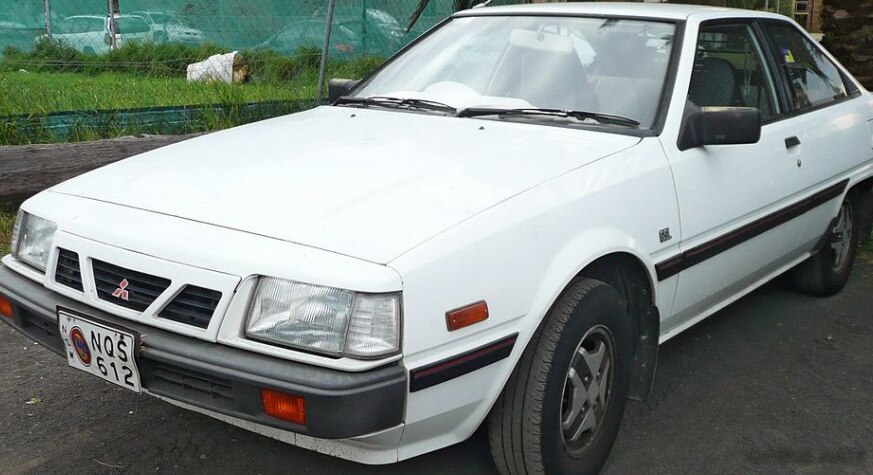
The Mitsubishi Cordia, specifically the 1.8 Turbo ECi (A213A) variant produced between 1984 and 1986, represents a significant entry for Mitsubishi into the sporty coupe market. Part of the A21_A generation, the Cordia aimed to offer a blend of style, performance, and relatively affordable pricing. This model occupied a middle ground within the Cordia lineup, positioned above the naturally aspirated versions and below the more potent, and later introduced, higher-performance models. It was primarily marketed towards buyers seeking a stylish and engaging driving experience, offering a turbocharged engine in a compact, coupe body style.
Technical Specifications
| Brand | Mitsubishi |
| Model | Cordia |
| Generation | Cordia (A21_A) |
| Type (Engine) | 1.8 Turbo ECi (A213A) (136 Hp) |
| Start of Production | 1984 |
| End of Production | 1986 |
| Powertrain Architecture | Internal Combustion Engine |
| Body Type | Coupe |
| Fuel Type | Petrol (Gasoline) |
| Power | 136 Hp |
| Engine Aspiration | Turbocharger |
Powertrain & Engine Architecture
The heart of the Cordia 1.8 Turbo ECi is the 4G63T engine, a 1.8-liter (1798cc) inline-four cylinder powerplant. This engine utilizes a single overhead camshaft (SOHC) valvetrain with two valves per cylinder. The “ECi” designation refers to Mitsubishi’s Electronic Concentrated Injection fuel system, an early form of multi-point fuel injection. This system, while not as sophisticated as later iterations, provided improved fuel atomization and more precise control over the air-fuel mixture compared to carbureted engines. The turbocharger, a key feature of this variant, is a Garrett T25 unit, providing approximately 8 psi of boost. This boost significantly increased the engine’s power output compared to the naturally aspirated 1.6 and 2.0-liter Cordia models. The engine’s block is cast iron, while the cylinder head is aluminum, contributing to a reasonable weight balance. The transmission paired with the 4G63T in this model is a four-speed automatic, designed to provide smooth shifts and ease of use for everyday driving. While a five-speed manual transmission was available on other Cordia trims, it wasn’t offered with the 1.8 Turbo ECi in the US market.
Driving Characteristics
The 136 horsepower and 144 lb-ft of torque generated by the turbocharged 1.8-liter engine provided the Cordia Turbo ECi with respectable performance for its time. Acceleration to 60 mph was estimated to be around 8.5-9 seconds, making it competitive with other sporty coupes of the early 1980s. The automatic transmission, while convenient, did detract somewhat from the driving experience compared to a manual gearbox. The gear ratios were tuned for comfortable cruising rather than outright acceleration, resulting in a slight delay in downshifts. However, the turbocharger provided a noticeable surge of power in the mid-range, making overtaking maneuvers relatively effortless. The Cordia’s suspension, consisting of MacPherson struts in the front and a semi-trailing arm setup in the rear, offered a good balance between ride comfort and handling. The steering was light and responsive, contributing to a generally enjoyable driving experience. Compared to the naturally aspirated Cordias, the Turbo ECi offered a significantly more engaging and dynamic driving experience, but it lacked the sharper handling and more direct feel of the later, more performance-focused models.
Equipment & Trim Levels
The Cordia 1.8 Turbo ECi was generally well-equipped for its price point. Standard features typically included power steering, power brakes, cloth upholstery, and an AM/FM stereo. The interior design was relatively modern for the time, with a functional dashboard layout and comfortable seating. Optional extras included air conditioning, a sunroof, upgraded stereo systems, and alloy wheels. The interior trim was typically a combination of gray or blue cloth, with a dark-colored dashboard and carpeting. The Cordia Turbo ECi was positioned as a step up from the base models, offering a more premium feel and a more comprehensive list of standard features. It wasn’t quite as luxurious as some of its competitors, such as the Toyota Celica or Honda Prelude, but it offered a good value proposition for buyers seeking a sporty and well-equipped coupe.
Chassis & Braking
The Cordia’s chassis was a unibody construction, providing a good level of rigidity. The front suspension utilized MacPherson struts, coil springs, and an anti-roll bar, while the rear suspension employed a semi-trailing arm setup with coil springs. The braking system consisted of disc brakes in the front and drum brakes in the rear. While the front discs provided adequate stopping power, the rear drums were a limiting factor in overall braking performance. The Cordia’s tires were typically 185/60R14, providing a reasonable balance between grip and ride comfort. The steering system was a rack-and-pinion setup, offering precise and responsive steering feel. The overall chassis and braking setup were adequate for the Cordia’s performance capabilities, but they weren’t as sophisticated as those found on some of its more expensive competitors.
Market Reception & Comparison
The Mitsubishi Cordia 1.8 Turbo ECi received generally positive reviews from automotive critics. It was praised for its stylish design, turbocharged engine, and relatively affordable price. However, some critics noted that the automatic transmission detracted from the driving experience and that the rear drum brakes were a weak point. Compared to other coupes in its class, such as the Toyota Celica and Honda Prelude, the Cordia offered a good value proposition, but it lacked the refinement and overall polish of those models. The fuel economy was reasonable for a turbocharged vehicle, averaging around 22-26 mpg in combined driving. Reliability was generally good, although some owners reported issues with the turbocharger and fuel injection system. The Cordia Turbo ECi appealed to buyers who wanted a sporty and stylish coupe without breaking the bank.
Legacy
The Mitsubishi Cordia, particularly the 1.8 Turbo ECi variant, holds a modest but dedicated following among enthusiasts today. The 4G63T engine is known for its durability and potential for modification, making it a popular choice for engine swaps and performance upgrades. While finding a well-maintained example can be challenging, the Cordia Turbo ECi remains an affordable and enjoyable classic coupe. Parts availability can be limited, but many components are interchangeable with other Mitsubishi models that used the 4G63 engine. The Cordia’s legacy lies in its role as an early example of Mitsubishi’s commitment to building sporty and engaging vehicles, and it paved the way for the more successful Eclipse and 3000GT models that followed. The 1.8 Turbo ECi, while not the most powerful or refined Cordia variant, offers a unique blend of style, performance, and affordability that continues to appeal to enthusiasts today.
