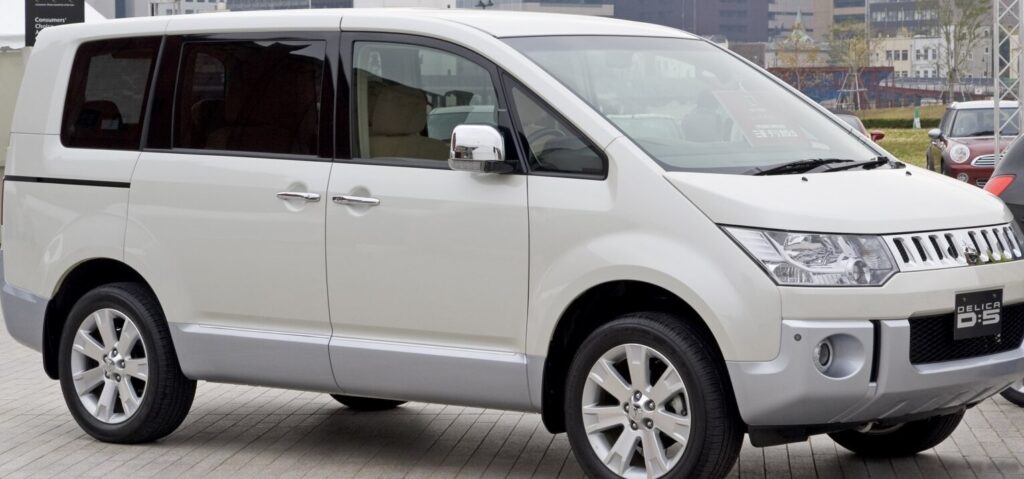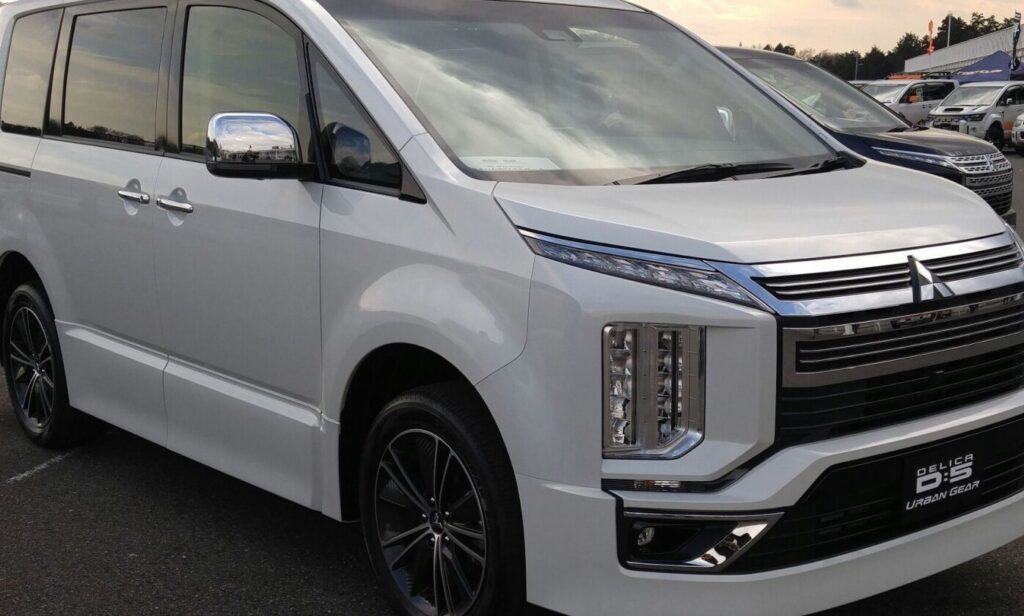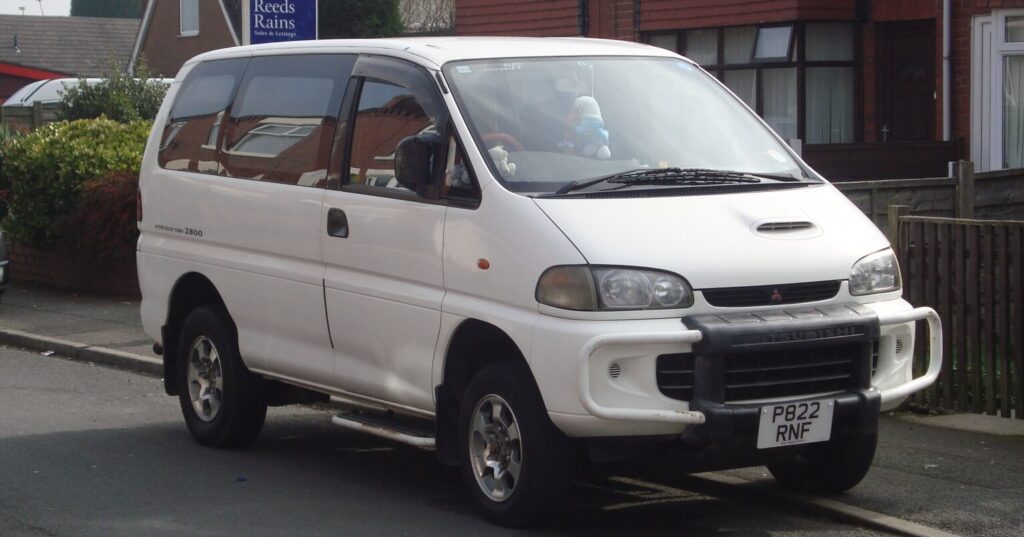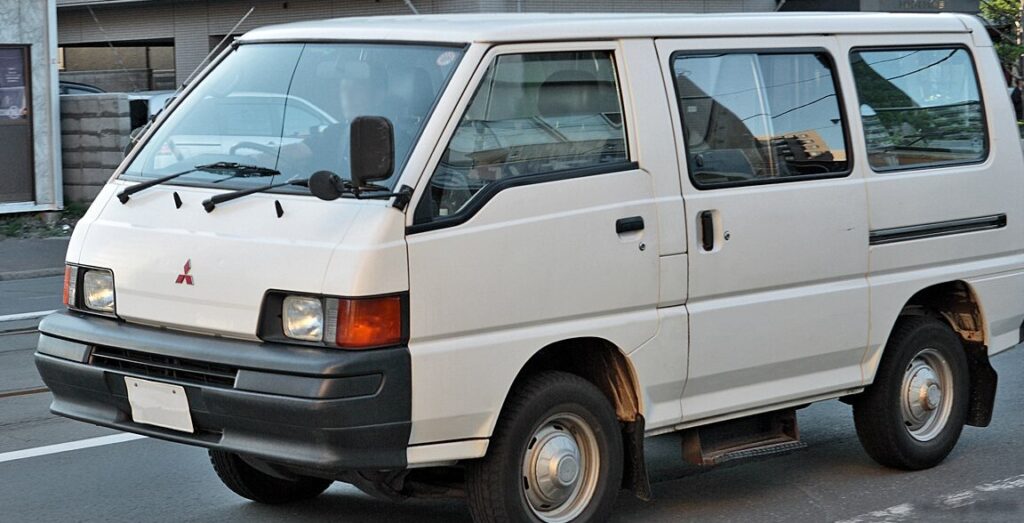
The Mitsubishi Delica L300 2.0 4WD (91 hp) represents a specific configuration within the third-generation Delica line, produced from 1986 to 1993. This variant occupied a middle ground in the L300 range, offering a balance between affordability, practicality, and off-road capability. The L300 series, known for its robust construction and versatile interior, was primarily marketed in Japan and other Asian markets as a multi-purpose vehicle capable of both passenger and commercial duties. It gained a cult following globally for its unique blend of van-like space and genuine four-wheel-drive capability, making it a popular choice for overlanding and adventure travel.
Technical Specifications
| Brand | Mitsubishi |
| Model | Delica |
| Generation | Delica (L300) |
| Type | 2.0 4WD (91 Hp) |
| Start of production | 1986 |
| End of production | 1993 |
| Powertrain Architecture | Internal Combustion engine |
| Body type | Minivan |
| Seats | 9 |
| Doors | 4 |
| Fuel Type | Petrol (Gasoline) |
| Weight-to-power ratio | 13.6 kg/Hp, 73.4 Hp/tonne |
| Weight-to-torque ratio | 8.2 kg/Nm, 121.8 Nm/tonne |
| Power | 91 Hp @ 5500 rpm |
| Power per litre | 45.6 Hp/l |
| Torque | 151 Nm @ 3000 rpm (111.37 lb.-ft. @ 3000 rpm) |
| Engine Model/Code | G63B |
| Engine displacement | 1997 cm3 (121.86 cu. in.) |
| Number of cylinders | 4 |
| Cylinder Bore | 85 mm (3.35 in.) |
| Piston Stroke | 88 mm (3.46 in.) |
| Compression ratio | 8:1 |
| Engine aspiration | Naturally aspirated engine |
| Valvetrain | OHC |
| Kerb Weight | 1240 kg (2733.73 lbs.) |
| Fuel tank capacity | 56 l (14.79 US gal | 12.32 UK gal) |
| Length | 4190 mm (164.96 in.) |
| Width | 1690 mm (66.54 in.) |
| Height | 1970 mm (77.56 in.) |
| Wheelbase | 2235 mm (87.99 in.) |
| Front track | 1445 mm (56.89 in.) |
| Rear track | 1380 mm (54.33 in.) |
| Drive wheel | All wheel drive (4×4) |
| Number of gears and type of gearbox | 5 gears, manual transmission |
| Front suspension | Double wishbone |
| Rear suspension | Dependent suspension of two longitudinal semi-elliptic leaf springs |
| Front brakes | Ventilated discs |
| Rear brakes | Drum |
Powertrain & Engine Architecture
The heart of the Delica L300 2.0 4WD is the Mitsubishi 4G63B 2.0-liter inline-four cylinder gasoline engine. This engine, a naturally aspirated unit, utilizes a single overhead camshaft (OHC) design. The G63B engine is known for its relative simplicity and durability, characteristics valued in a workhorse vehicle. Fuel delivery is managed by a carburetor system, common for the era, rather than fuel injection. This carburetor setup, while less efficient than modern fuel injection, contributed to the engine’s ease of maintenance and repair, particularly in regions with limited access to specialized diagnostic equipment. The engine produces 91 horsepower at 5500 rpm and 151 Nm (111.37 lb-ft) of torque at 3000 rpm. The five-speed manual transmission was the standard offering for this variant, providing a reasonable spread of gears for both on-road cruising and off-road crawling. The transmission is robust, designed to handle the stresses of four-wheel-drive operation.
Driving Characteristics
The 91 hp output of the 2.0-liter engine, coupled with the weight of the Delica L300 (approximately 1240 kg or 2733 lbs), results in performance that is best described as adequate rather than sporty. Acceleration is modest, and highway passing requires planning. However, the engine’s torque delivery at lower rpm makes it surprisingly capable in off-road situations. The five-speed manual transmission allows the driver to keep the engine in its optimal power band, maximizing available torque for climbing hills or navigating rough terrain. Compared to the later, more powerful 2.4-liter engines offered in the L300, this 2.0-liter version prioritizes fuel economy and reliability over outright performance. The 4WD system, typically selectable between 2H (rear-wheel drive), 4H (four-wheel drive high range), and 4L (four-wheel drive low range), provides excellent traction in challenging conditions.
Equipment & Trim Levels
The Delica L300 2.0 4WD (91 hp) was generally positioned as a mid-range trim level. Standard features typically included basic instrumentation, vinyl or cloth upholstery, and a relatively spartan interior focused on functionality. Air conditioning was often an optional extra, as were power windows and upgraded audio systems. The interior layout was highly configurable, with seating arrangements ranging from seven to nine passengers depending on the specific configuration. The rear seats could often be folded or removed entirely to create a large cargo area. Exterior features were similarly basic, with steel wheels, simple bumpers, and minimal chrome trim being the norm.
Chassis & Braking
The Delica L300 utilizes a body-on-frame construction, contributing to its ruggedness and durability. The front suspension employs a double wishbone setup, providing a reasonable level of ride comfort and handling. The rear suspension features a more traditional dependent suspension system with two longitudinal semi-elliptic leaf springs, chosen for its robustness and load-carrying capacity. Braking duties are handled by ventilated discs at the front and drum brakes at the rear. While adequate for the vehicle’s weight and performance, the braking system is not particularly powerful by modern standards. Steering is typically unassisted, requiring more effort at low speeds but providing a direct feel.
Market Reception & Comparison
The Delica L300 2.0 4WD (91 hp) was well-received in its target markets for its practicality, reliability, and off-road capability. Critics praised its spacious interior, robust construction, and ability to handle a variety of tasks, from family transportation to light commercial work. Compared to other trims in the L300 lineup, such as the higher-output 2.4-liter versions, this 2.0-liter model offered a more affordable entry point, albeit with a compromise in performance. Fuel economy was considered reasonable for the time, although it falls short of modern standards. Reliability was a strong point, with the G63B engine proving to be a durable and long-lasting unit.
Legacy
The Mitsubishi Delica L300 2.0 4WD (91 hp) has developed a strong following among enthusiasts and overlanding communities. Its simple mechanical design, readily available parts, and robust construction make it a relatively easy vehicle to maintain and repair. Today, well-maintained examples are sought after by those looking for a capable and affordable four-wheel-drive vehicle. While the carburetor system may require occasional attention, the G63B engine is generally considered to be very reliable. The L300’s unique combination of space, capability, and affordability has cemented its place as a cult classic, and it continues to be a popular choice for adventure travel and off-road exploration.