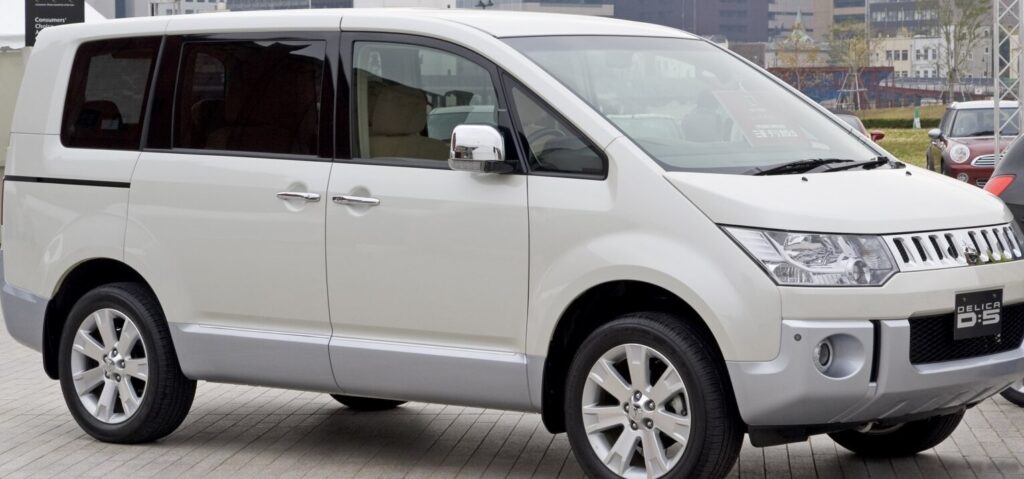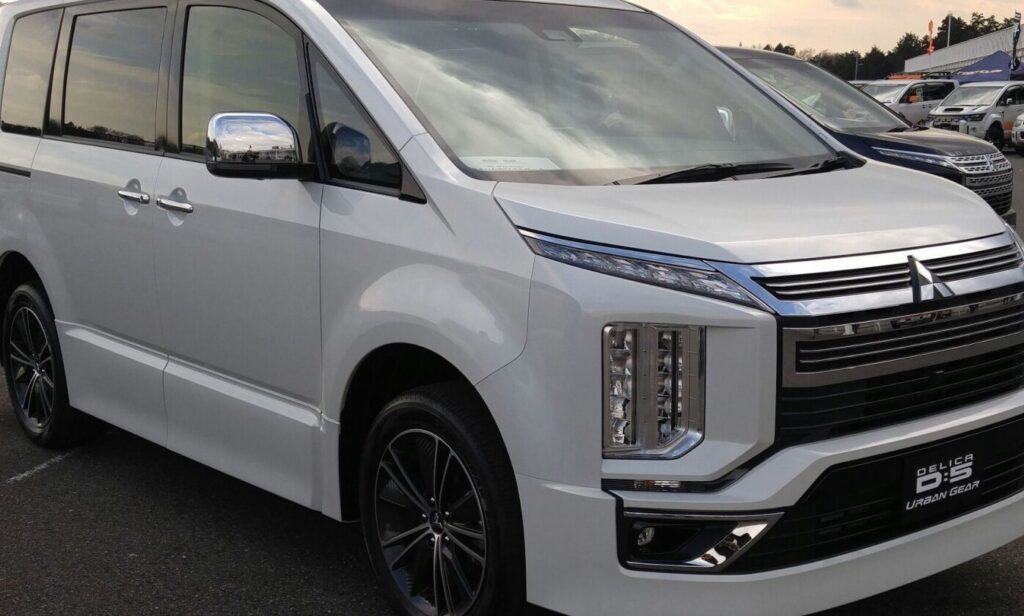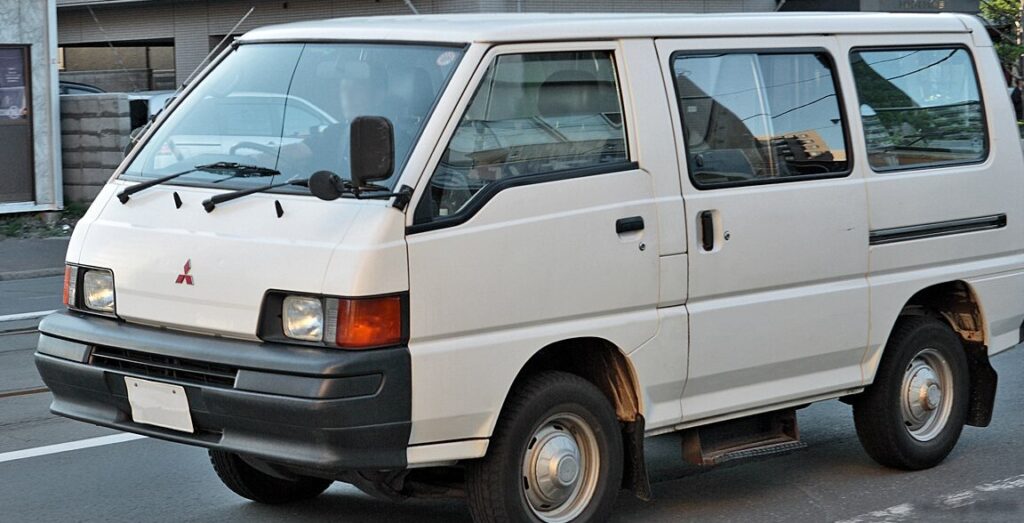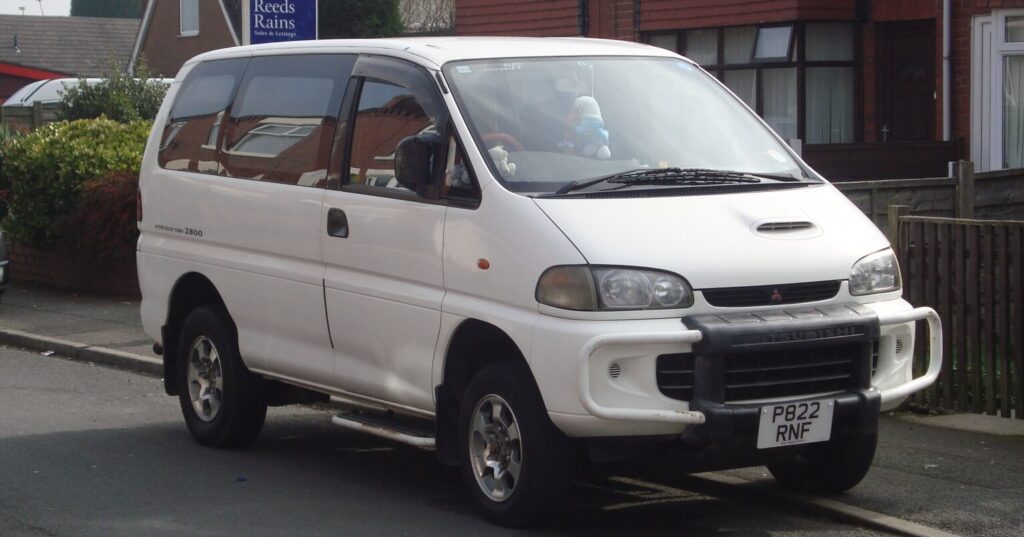
The Mitsubishi Delica L400 1.8, producing 95 horsepower, was a variant of the fourth-generation Delica, manufactured from 1999 to 2006. Positioned as an entry-level option within the L400 range, it offered a more affordable and fuel-efficient alternative to the more powerful 2.4-liter and turbodiesel engines. The L400 Delica, popular in many Asian markets and Australia, was never officially sold in the United States due to import regulations. However, its unique blend of minivan practicality, available four-wheel drive in other trims, and rugged styling has garnered a dedicated following among enthusiasts. This 1.8-liter version primarily served markets where lower running costs and simpler mechanics were prioritized.
Technical Specifications
| Brand | Mitsubishi |
| Model | Delica |
| Generation | Delica (L400) |
| Type (Engine) | 1.8 (95 Hp) |
| Start of production | 1999 year |
| End of production | 2006 year |
| Powertrain Architecture | Internal Combustion engine |
| Body type | Minivan |
| Seats | 6 |
| Doors | 4 |
| Fuel Type | Petrol (Gasoline) |
| Weight-to-power ratio | 13.9 kg/Hp, 72 Hp/tonne |
| Weight-to-torque ratio | 9.8 kg/Nm, 102.3 Nm/tonne |
| Power | 95 Hp @ 5250 rpm |
| Power per litre | 53.1 Hp/l |
| Torque | 135 Nm @ 2500 rpm (99.57 lb.-ft. @ 2500 rpm) |
| Engine layout | Front, Transverse |
| Engine displacement | 1789 cm3 (109.17 cu. in.) |
| Number of cylinders | 4 |
| Engine configuration | Inline |
| Number of valves per cylinder | 2 |
| Fuel injection system | Multi-port manifold injection |
| Engine aspiration | Naturally aspirated engine |
| Kerb Weight | 1320 kg (2910.1 lbs) |
| Max. weight | 2235 kg (4927.33 lbs) |
| Max load | 915 kg (2017.23 lbs) |
| Fuel tank capacity | 66 l (17.44 US gal | 14.52 UK gal) |
| Length | 4285 mm (168.7 in) |
| Width | 1635 mm (64.37 in) |
| Height | 1850 mm (72.83 in) |
| Wheelbase | 2800 mm (110.24 in) |
| Front track | 1415 mm (55.71 in) |
| Rear (Back) track | 1290 mm (50.79 in) |
| Drivetrain Architecture | The Internal combustion engine (ICE) drives the front wheels of the vehicle. |
| Drive wheel | Front wheel drive |
| Number of gears and type of gearbox | 5 gears, manual transmission |
| Front suspension | Torsion |
| Rear suspension | Coil spring |
| Front brakes | Ventilated discs |
| Rear brakes | Drum |
| Tires size | 185/70 R14 |
Powertrain & Engine Architecture
The Delica L400 1.8 utilized the Mitsubishi 4G63 engine, an 1.8-liter inline-four cylinder powerplant. While the 4G63 family is well-known for its performance applications (particularly in the Mitsubishi Lancer Evolution), this version was a naturally aspirated, single overhead cam (SOHC) configuration. It featured a multi-port fuel injection system, providing adequate fuel delivery for its intended purpose. The engine’s two valves per cylinder contributed to its relatively simple design and ease of maintenance. The 4G63 in this application was designed for reliability and fuel economy rather than outright power. The five-speed manual transmission was the standard offering, providing a direct connection between the engine and the front wheels. The transmission’s gear ratios were tuned for everyday driving, prioritizing fuel efficiency and smooth operation over sporty acceleration.
Driving Characteristics
The 95 horsepower and 135 Nm (99.57 lb-ft) of torque produced by the 1.8-liter engine resulted in modest, but adequate, performance. Acceleration was not brisk, and overtaking required careful planning. Compared to the 2.4-liter versions or the turbodiesel options, the 1.8 felt noticeably slower. However, the lighter engine weight contributed to better handling and a more nimble feel, particularly in urban environments. The five-speed manual transmission allowed drivers to keep the engine in its optimal power band, but the lack of torque meant frequent downshifting was necessary when encountering hills or carrying a full load. The gear ratios were spaced to maximize fuel efficiency, but this came at the expense of responsiveness. Overall, the driving experience was geared towards practicality and ease of use rather than performance.
Equipment & Trim Levels
The 1.8-liter Delica L400 typically represented the base trim level. Standard features generally included power steering, air conditioning, and basic instrumentation. Interior upholstery was typically cloth, and the dashboard featured a functional, if somewhat spartan, design. Options were limited, but could include power windows, upgraded audio systems, and alloy wheels. The focus was on providing essential features at an affordable price point. The interior was designed for practicality, with durable materials and ample space for passengers and cargo. The six-seat configuration was standard, offering flexibility for families or groups.
Chassis & Braking
The Delica L400 featured a front-engine, front-wheel-drive layout. The front suspension utilized a torsion beam setup, while the rear employed coil springs. This configuration provided a comfortable ride quality, suitable for everyday driving. The front brakes were ventilated discs, offering adequate stopping power, while the rear brakes were drums, a cost-saving measure common in entry-level vehicles of this era. The tires were typically 185/70 R14, providing a balance of comfort and grip. The chassis was designed to prioritize practicality and durability, rather than sporty handling. Stabilizer bars were often omitted on the base models to further reduce costs.
Market Reception & Comparison
The Delica L400 1.8 was generally well-received in markets where affordability and fuel economy were key considerations. Critics acknowledged its practicality and spacious interior, but noted its lack of performance compared to higher-spec models. Compared to the 2.4-liter gasoline engine, the 1.8 offered significantly better fuel economy, but at the cost of around 20-30 horsepower. The turbodiesel versions provided even more torque and fuel efficiency, but were typically more expensive to purchase and maintain. The 1.8-liter version appealed to buyers who prioritized value and reliability over performance.
Legacy
The Mitsubishi Delica L400 1.8, while not the most powerful or technologically advanced version of the Delica, has proven to be a remarkably durable and reliable vehicle. The 4G63 engine is known for its longevity, and the relatively simple mechanical design makes it relatively easy to maintain. In the used car market, these Delicas are often sought after by those looking for an affordable and practical people carrier. While parts availability may be becoming more challenging as the vehicle ages, the 4G63 engine’s widespread use in other Mitsubishi models ensures that many components remain readily accessible. The L400 1.8 continues to be a popular choice for those seeking a dependable and versatile vehicle, particularly in regions where its original affordability made it a common sight on the roads.