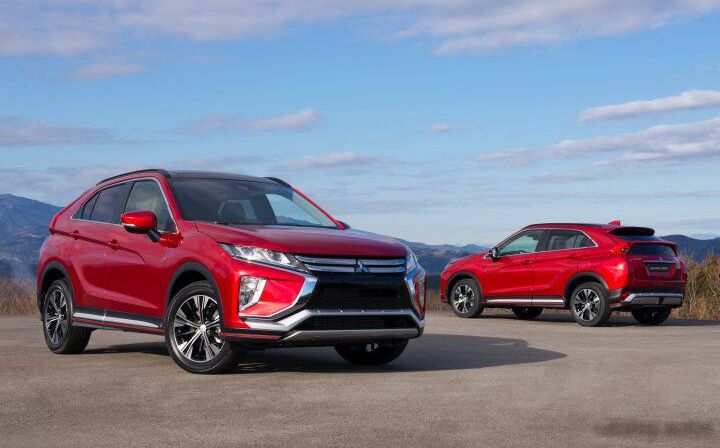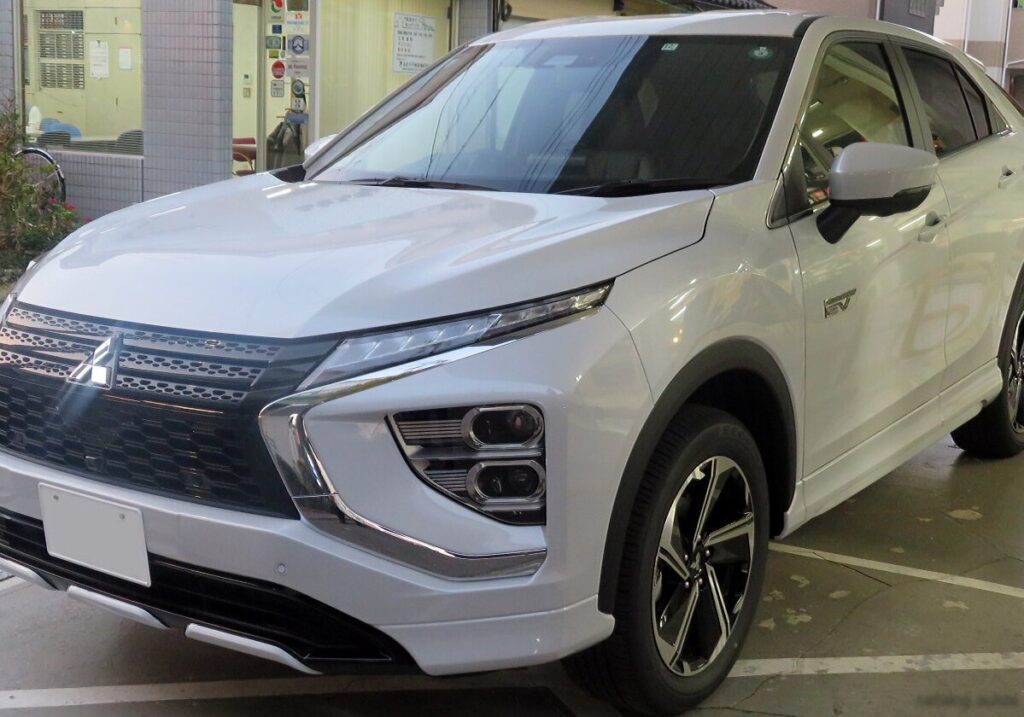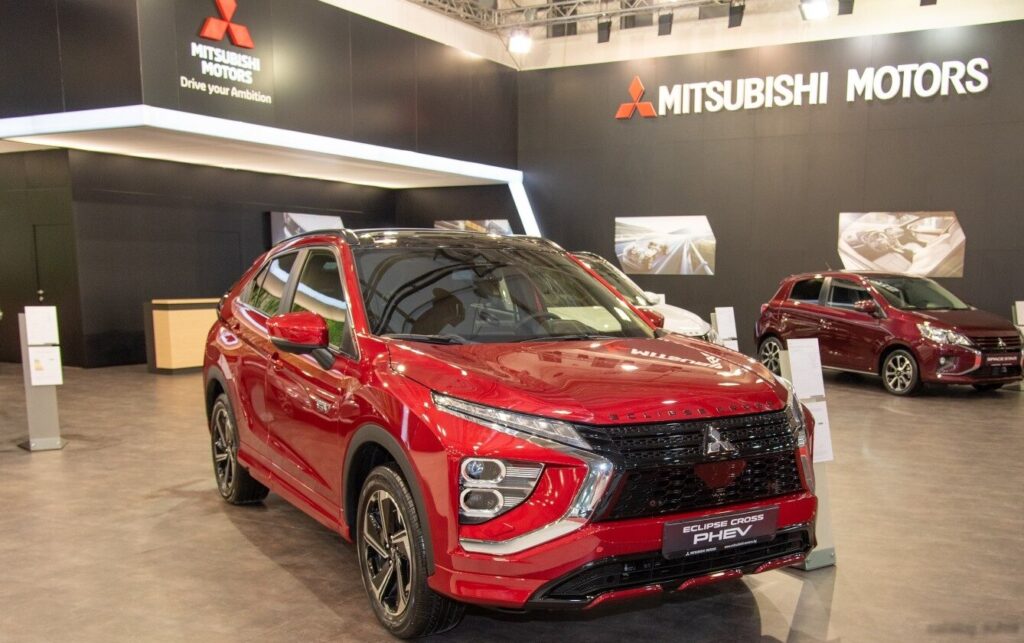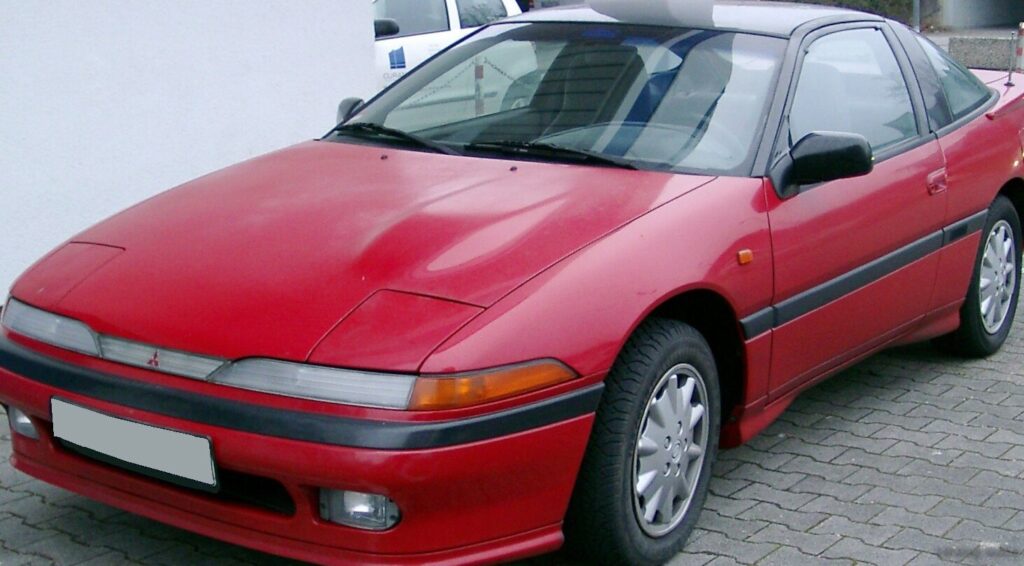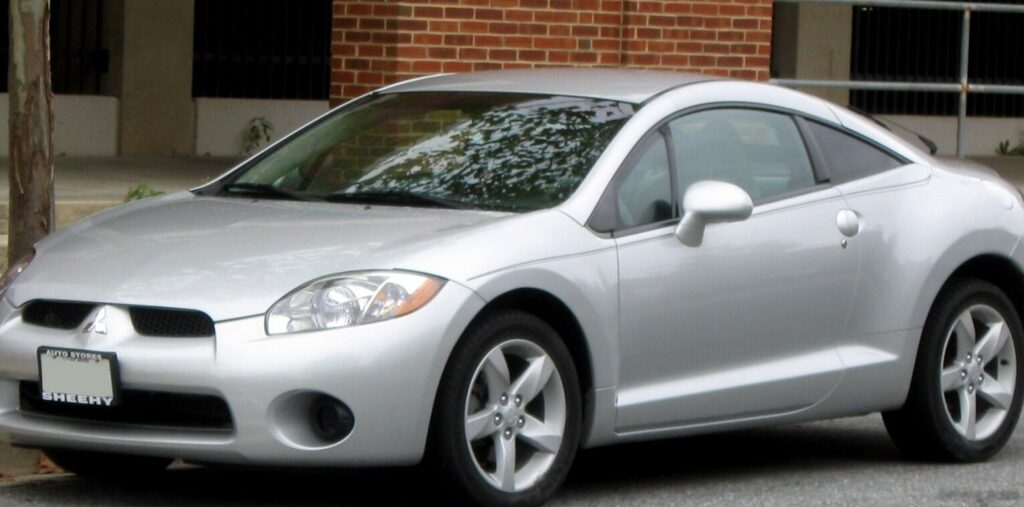
The Mitsubishi Eclipse IV (4G), produced between 2006 and 2009, represented the final generation of the iconic Eclipse sports coupe and liftback. Positioned as a mid-range offering within the 4G lineup, the 2.4-liter, 162-horsepower automatic variant aimed to provide a balance of performance and everyday usability. This generation marked a significant departure from the earlier, more performance-focused Eclipses, shifting towards a more mainstream, comfort-oriented vehicle. The 4G Eclipse shared its platform with the Galant and Outlander, utilizing Mitsubishi’s GS platform (internally designated as 4HX). It was primarily sold in North America, where the coupe/sport compact market remained relatively strong.
Technical Specifications
| Brand | Mitsubishi |
| Model | Eclipse |
| Generation | Eclipse IV (4G) |
| Type (Engine) | 2.4L (162 Hp) Automatic |
| Start of production | 2006 |
| End of production | 2009 |
| Powertrain Architecture | Internal Combustion engine |
| Body type | Coupe, Liftback |
| Seats | 4 |
| Doors | 2 |
| Fuel Type | Petrol (Gasoline) |
| Acceleration 0 – 100 km/h | 9.4 sec |
| Acceleration 0 – 62 mph | 9.4 sec |
| Acceleration 0 – 60 mph | 8.9 sec |
| Weight-to-power ratio | 9.3 kg/Hp, 108 Hp/tonne |
| Weight-to-torque ratio | 6.9 kg/Nm, 144.7 Nm/tonne |
| Power | 162 Hp @ 6000 rpm |
| Power per litre | 68.1 Hp/l |
| Torque | 217 Nm @ 4000 rpm (160.05 lb.-ft. @ 4000 rpm) |
| Engine layout | Front, Transverse |
| Engine Model/Code | 4G69 |
| Engine displacement | 2378 cm3 (145.11 cu. in.) |
| Number of cylinders | 4 |
| Engine configuration | Inline |
| Cylinder Bore | 87 mm (3.43 in.) |
| Piston Stroke | 100 mm (3.94 in.) |
| Compression ratio | 9.5:1 |
| Number of valves per cylinder | 4 |
| Fuel injection system | Multi-port manifold injection |
| Engine aspiration | Naturally aspirated engine |
| Valvetrain | SOHC |
| Engine oil capacity | 4.3 l (4.54 US qt | 3.78 UK qt) |
| Coolant | 8.7 l (9.19 US qt | 7.65 UK qt) |
| Kerb Weight | 1500 kg (3306.93 lbs.) |
| Max. weight | 1945 kg (4287.99 lbs.) |
| Max load | 445 kg (981.06 lbs.) |
| Length | 4565 mm (179.72 in.) |
| Width | 1835 mm (72.24 in.) |
| Height | 1358 mm (53.46 in.) |
| Wheelbase | 2575 mm (101.38 in.) |
| Front track | 1570 mm (61.81 in.) |
| Rear (Back) track | 1570 mm (61.81 in.) |
| Front overhang | 1007 mm (39.65 in.) |
| Rear overhang | 983 mm (38.7 in.) |
| Ride height (ground clearance) | 148 mm (5.83 in.) |
| Drivetrain Architecture | Front wheel drive |
| Drive wheel | Front wheel drive |
| Number of gears and type of gearbox | 4 gears, automatic transmission Sportronic |
| Front suspension | Independent type McPherson |
| Rear suspension | Independent multi-link suspension |
| Front brakes | Ventilated discs, 295 mm |
| Rear brakes | Disc, 262 mm |
| Assisting systems | ABS (Anti-lock braking system) |
| Steering type | Steering rack and pinion |
| Power steering | Hydraulic Steering |
Powertrain & Engine Architecture
The heart of this Eclipse variant is the 4G69 2.4-liter inline-four cylinder engine. This engine, a member of Mitsubishi’s 4G6 family, featured a single overhead camshaft (SOHC) design and multi-port fuel injection. The 4G69 was known for its relative reliability and decent power output for its displacement. The engine produced 162 horsepower at 6000 rpm and 217 Nm (160 lb-ft) of torque at 4000 rpm. The automatic transmission was a four-speed Sportronic unit, offering a degree of manual control through a shift gate. While not as sophisticated as some contemporary transmissions, it was generally considered durable and well-matched to the engine’s characteristics. The engine’s 9.5:1 compression ratio was a compromise between performance and the ability to run on regular unleaded gasoline.
Driving Characteristics
The 2.4-liter automatic Eclipse offered a comfortable, if not particularly sporty, driving experience. Acceleration from 0-60 mph took approximately 8.9 seconds, which was adequate for everyday driving but lagged behind the quicker manual transmission and turbocharged variants. The four-speed automatic transmission, while smooth, lacked the responsiveness of a modern five or six-speed unit. Gear ratios were tuned for fuel efficiency and relaxed cruising rather than aggressive acceleration. The power delivery was linear, with a noticeable surge in torque around 4000 rpm. Compared to the more powerful GT trim with its 280 hp V6, the 2.4L automatic felt significantly less potent, but it offered better fuel economy and a more forgiving driving experience.
Equipment & Trim Levels
The 2.4-liter automatic Eclipse typically came standard with features such as air conditioning, power windows and locks, a CD player with MP3 compatibility, and basic cloth upholstery. Higher trim levels, such as the ES or LS, added features like alloy wheels, a sunroof, upgraded audio systems, and keyless entry. Optional extras included leather upholstery, a premium sound system, and a navigation system. The interior design was functional and modern for its time, but the materials used were generally of average quality. The liftback configuration offered a reasonable amount of cargo space, making it a practical choice for daily use.
Chassis & Braking
The Eclipse 4G utilized an independent McPherson strut suspension in the front and an independent multi-link suspension in the rear. This setup provided a comfortable ride quality, although it wasn’t particularly sporty. The front brakes were ventilated discs measuring 295 mm, while the rear brakes were solid discs measuring 262 mm. Anti-lock brakes (ABS) were standard. The steering was a hydraulic rack and pinion system, offering decent feel and responsiveness. Stabilizer bars were fitted to both the front and rear axles to reduce body roll during cornering. The curb weight of approximately 1500 kg (3306 lbs) contributed to the car’s somewhat sluggish handling compared to lighter sports coupes.
Market Reception & Comparison
The 2.4-liter automatic Eclipse received mixed reviews from automotive critics. While it was praised for its comfortable ride and user-friendly features, it was often criticized for its lack of performance and somewhat dated interior. Compared to rivals like the Honda Civic Coupe and Nissan Sentra SE-R, the Eclipse offered a more stylish design but lacked the same level of refinement and driving engagement. Fuel economy was average for its class, typically around 20-24 mpg in combined driving. Reliability was generally good, although some owners reported issues with the automatic transmission over the long term.
Legacy
The 2.4-liter automatic Mitsubishi Eclipse 4G remains a relatively affordable and accessible option in the used car market. While it may not be a performance enthusiast’s dream, it offers a comfortable and reliable transportation solution for those seeking a stylish coupe or liftback. The 4G69 engine is known for its durability, and with proper maintenance, it can provide many years of service. However, potential buyers should be aware of the possibility of transmission issues and should thoroughly inspect the vehicle before purchasing. The Eclipse 4G, particularly this variant, represents a transitional period for Mitsubishi, moving away from its performance-oriented roots towards a more mainstream appeal.