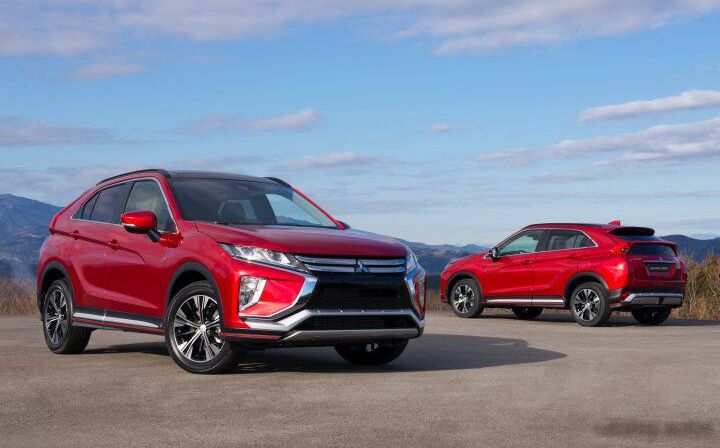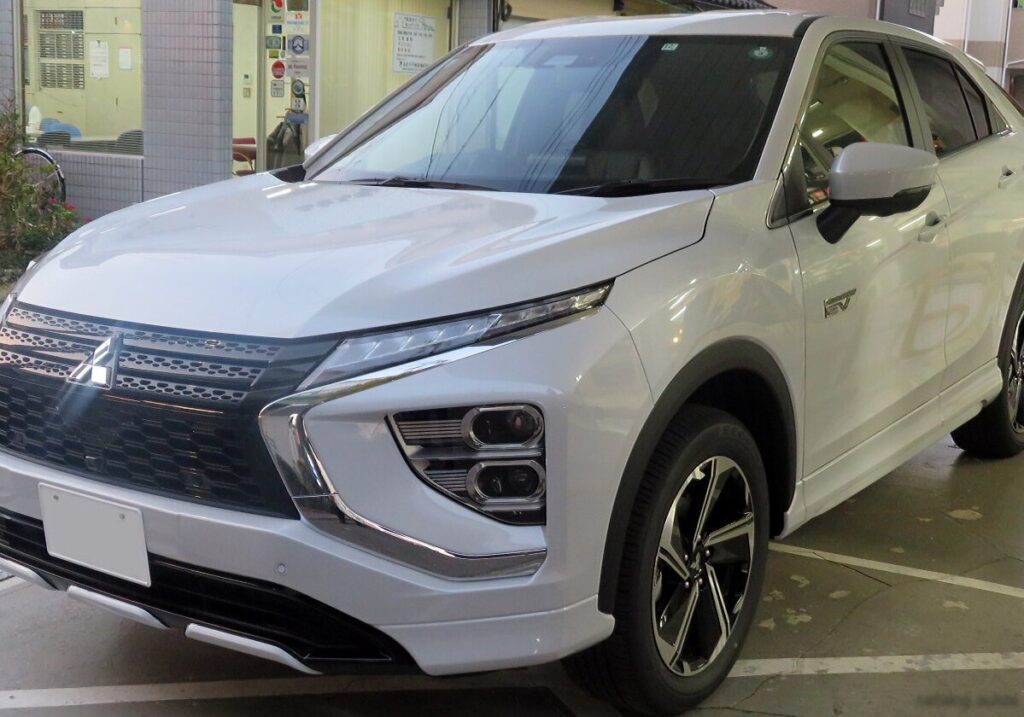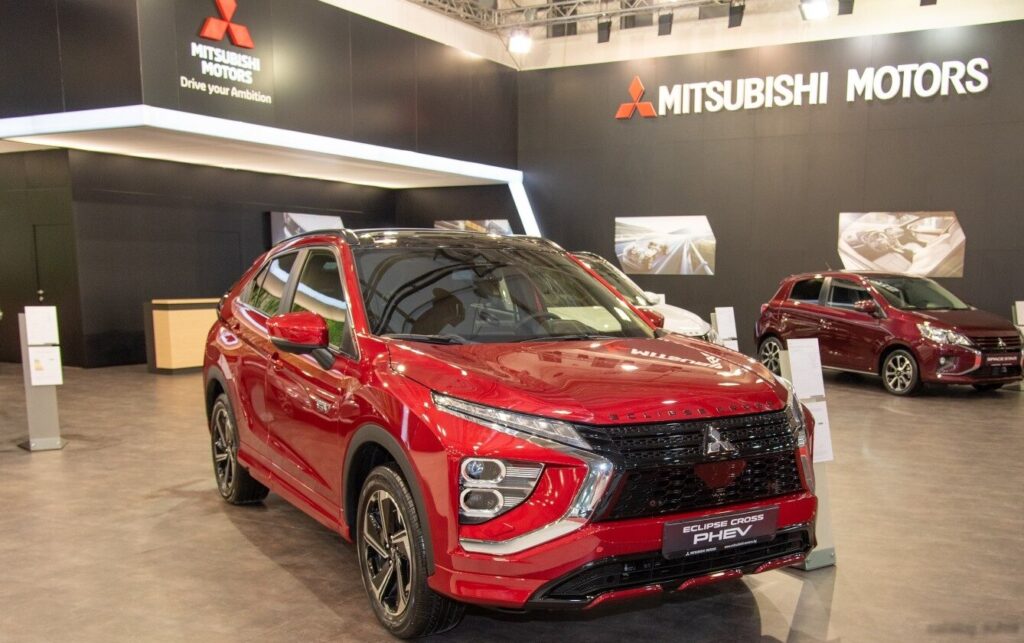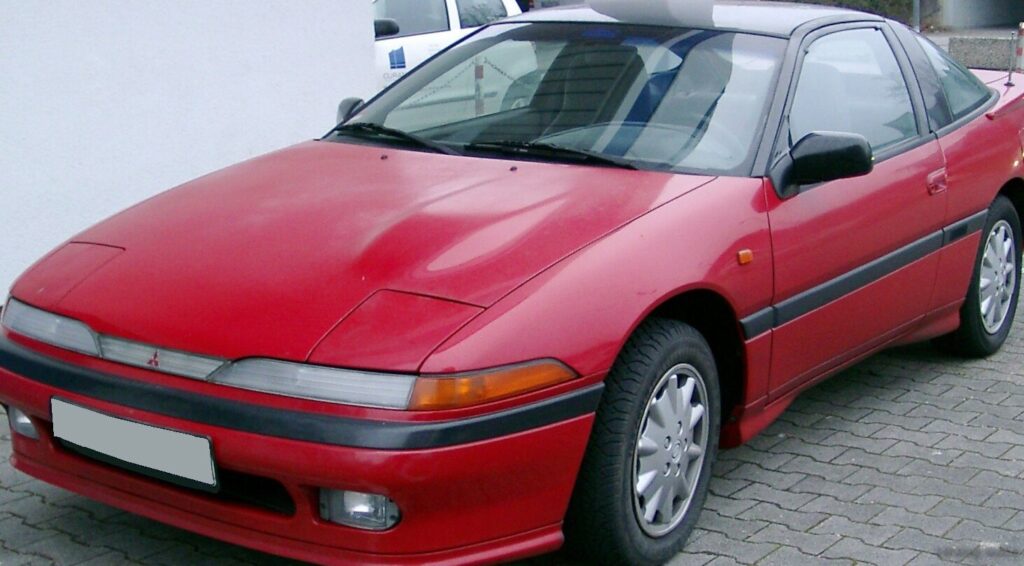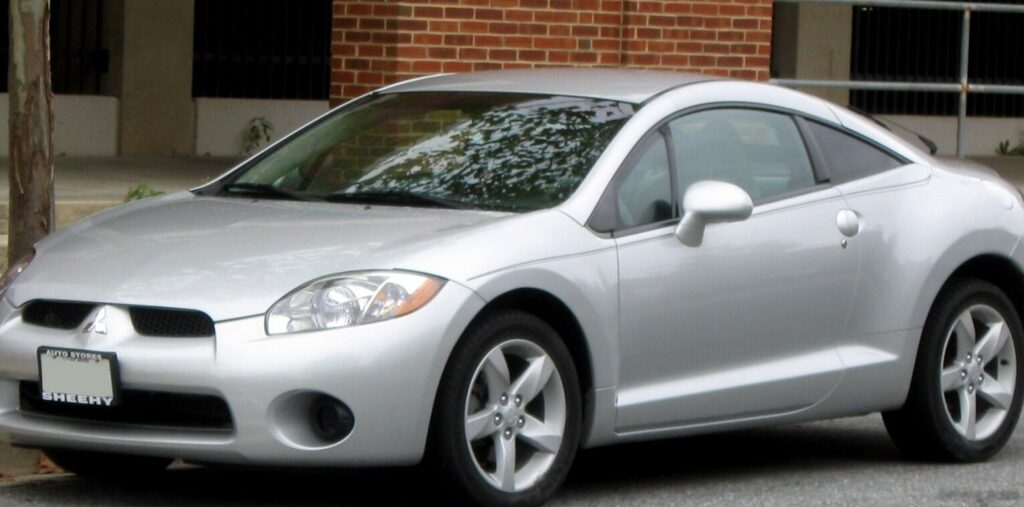
The Mitsubishi Eclipse IV (4G) GT 3.8L V6 MIVEC Automatic, produced between 2005 and 2009, represented the pinnacle of performance for the fourth-generation Eclipse. Positioned as the top-tier trim level, it offered a significant step up in power and refinement compared to the base 2.4L models. This variant was primarily sold in the North American market, where the Eclipse competed with sport coupes like the Ford Mustang and Honda Civic Si. The 4G Eclipse, built on the GS platform, aimed to recapture the spirit of the original Eclipse while offering modern features and a more comfortable driving experience.
Technical Specifications
| Brand | Mitsubishi |
| Model | Eclipse |
| Generation | Eclipse IV (4G) |
| Type | GT 3.8L V6 MIVEC (263 Hp) Automatic |
| Start of production | 2005 |
| End of production | 2009 |
| Powertrain Architecture | Internal Combustion engine |
| Body type | Coupe, Liftback |
| Seats | 4 |
| Doors | 2 |
| Fuel Type | Petrol (Gasoline) |
| Weight-to-power ratio | 6.1 kg/Hp, 163.9 Hp/tonne |
| Weight-to-torque ratio | 4.5 kg/Nm, 219.9 Nm/tonne |
| Power | 263 Hp @ 5750 rpm |
| Power per litre | 68.7 Hp/l |
| Torque | 353 Nm @ 2750 rpm (260.36 lb.-ft. @ 2750 rpm) |
| Engine layout | Front, Longitudinal |
| Engine Model/Code | 6G75 |
| Engine displacement | 3828 cm3 (233.6 cu. in.) |
| Number of cylinders | 6 |
| Engine configuration | V-engine |
| Cylinder Bore | 95 mm (3.74 in.) |
| Piston Stroke | 90 mm (3.54 in.) |
| Compression ratio | 10.5:1 |
| Number of valves per cylinder | 4 |
| Fuel injection system | Multi-port manifold injection |
| Engine aspiration | Naturally aspirated engine |
| Valvetrain | SOHC |
| Engine oil capacity | 4.3 l (4.54 US qt | 3.78 UK qt) |
| Coolant | 8 l (8.45 US qt | 7.04 UK qt) |
| Kerb Weight | 1605 kg (3538.42 lbs.) |
| Max. weight | 1945 kg (4287.99 lbs.) |
| Max load | 340 kg (749.57 lbs.) |
| Trunk (boot) space – minimum | 444 l (15.68 cu. ft.) |
| Length | 4565 mm (179.72 in.) |
| Width | 1835 mm (72.24 in.) |
| Height | 1358 mm (53.46 in.) |
| Wheelbase | 2575 mm (101.38 in.) |
| Front track | 1570 mm (61.81 in.) |
| Rear (Back) track | 1570 mm (61.81 in.) |
| Front overhang | 1007 mm (39.65 in.) |
| Rear overhang | 983 mm (38.7 in.) |
| Ride height (ground clearance) | 148 mm (5.83 in.) |
| Drivetrain Architecture | The Internal combustion engine (ICE) drives the front wheels of the vehicle. |
| Drive wheel | Front wheel drive |
| Number of gears and type of gearbox | 5 gears, automatic transmission |
| Front suspension | Independent type McPherson |
| Rear suspension | Independent multi-link suspension |
| Front brakes | Ventilated discs, 295 mm |
| Rear brakes | Disc, 285 mm |
| Assisting systems | ABS (Anti-lock braking system) |
| Steering type | Steering rack and pinion |
| Power steering | Hydraulic Steering |
| Tires size | 225/50 R17 93V |
| Wheel rims size | 7.5J x 17 |
Powertrain & Engine Architecture
The heart of the Eclipse GT 3.8L was the 6G75 engine, a 3.8-liter naturally aspirated V6. This engine featured Mitsubishi’s MIVEC (Mitsubishi Innovative Valve timing and lift Electronic Control) technology, which optimized valve timing for improved performance and fuel efficiency. The 6G75 utilized a single overhead camshaft (SOHC) design and multi-port fuel injection. The engine produced 263 horsepower at 5750 rpm and 260 lb-ft of torque at 2750 rpm. This power was delivered to the front wheels through a five-speed automatic transmission. While a manual transmission was available on other Eclipse trims, the GT 3.8L was exclusively offered with the automatic, geared towards drivers prioritizing ease of use over ultimate control. The automatic transmission was designed to handle the V6’s power output, but it wasn’t known for particularly quick shifts compared to contemporary performance automatics.
Driving Characteristics
The 3.8L V6 provided a substantial performance boost over the base 2.4L engine. Acceleration was brisk, with the Eclipse GT capable of reaching 60 mph in around 6.5 seconds. However, the front-wheel-drive layout and the automatic transmission meant that some power was lost to wheelspin and transmission inefficiencies. Compared to the manual transmission-equipped models, the automatic felt slightly less responsive. The automatic’s gear ratios were tuned for a balance of acceleration and fuel economy, but it lacked the aggressive programming found in some other performance cars. The suspension, while comfortable for everyday driving, wasn’t particularly sporty, resulting in noticeable body roll during hard cornering. Overall, the driving experience was more grand touring than outright sports car.
Equipment & Trim Levels
The GT 3.8L trim came standard with a generous list of features. Interior appointments included leather upholstery, power-adjustable front seats, and a premium sound system. Standard exterior features included alloy wheels, a rear spoiler, and fog lights. Optional extras included a sunroof, upgraded audio system, and a navigation system. The interior design was modern for its time, with a driver-focused layout and easy-to-use controls. The liftback design offered reasonable cargo space for a coupe, making it a practical choice for daily use.
Chassis & Braking
The Eclipse GT 3.8L utilized an independent McPherson strut suspension in the front and an independent multi-link suspension in the rear. This setup provided a comfortable ride while maintaining reasonable handling characteristics. The braking system consisted of ventilated discs in the front and solid discs in the rear. Anti-lock brakes (ABS) were standard. The braking performance was adequate for the car’s weight and power, but it wasn’t exceptional. The front brakes were larger than those found on lower trims to cope with the increased stopping demands.
Market Reception & Comparison
Critics generally praised the Eclipse GT 3.8L for its powerful engine and comfortable interior. However, the front-wheel-drive layout and the automatic transmission were often criticized. Some reviewers felt that the car lacked the sporty handling of its rear-wheel-drive competitors. Compared to the 2.4L models, the GT 3.8L offered a significant performance upgrade, but it also came with a higher price tag. Fuel economy was also lower, averaging around 17 mpg city and 24 mpg highway. The 3.8L variant was positioned as a more luxurious and powerful alternative to the base models, appealing to buyers who prioritized comfort and performance over outright sportiness.
Legacy
The Mitsubishi Eclipse IV (4G) GT 3.8L V6 MIVEC Automatic, while not a sales juggernaut, holds a place in automotive history as a capable and stylish coupe. The 6G75 engine is known for its reliability, and well-maintained examples can still provide years of enjoyable driving. On the used car market, these Eclipses are sought after by enthusiasts who appreciate their power and unique styling. However, potential buyers should be aware of potential maintenance issues, such as oil leaks and worn suspension components. The 4G Eclipse represents a final chapter in the Eclipse lineage, offering a blend of performance, comfort, and practicality that continues to appeal to a dedicated following.